
There’s something truly special about stepping into a tribal cultural festival. If you’re curious about authentic traditions, music handed down through generations, and vibrant gatherings that bring communities together, adding a tribal festival or two to your travel list is a great idea. I’ve been exploring cultural festivals for years, and every trip to one of these celebrations always leaves me with stories to tell and new friends made. These annual events are full of energy and color, and they’re perfect for travelers who want to experience something real, meaningful, and out of the ordinary.
Why Tribal Cultural Festivals Are Worth the Trip
Tribal cultural festivals are living showcases of tradition, storytelling, music, food, and crafts. Every tribe has its unique way of bringing people together, and these annual gatherings mark the changing of seasons, important anniversaries, or spiritual milestones. I’ve noticed that what makes these festivals so enjoyable is not just what’s on display, but the sense of belonging and hospitality organizers offer to anyone willing to participate.
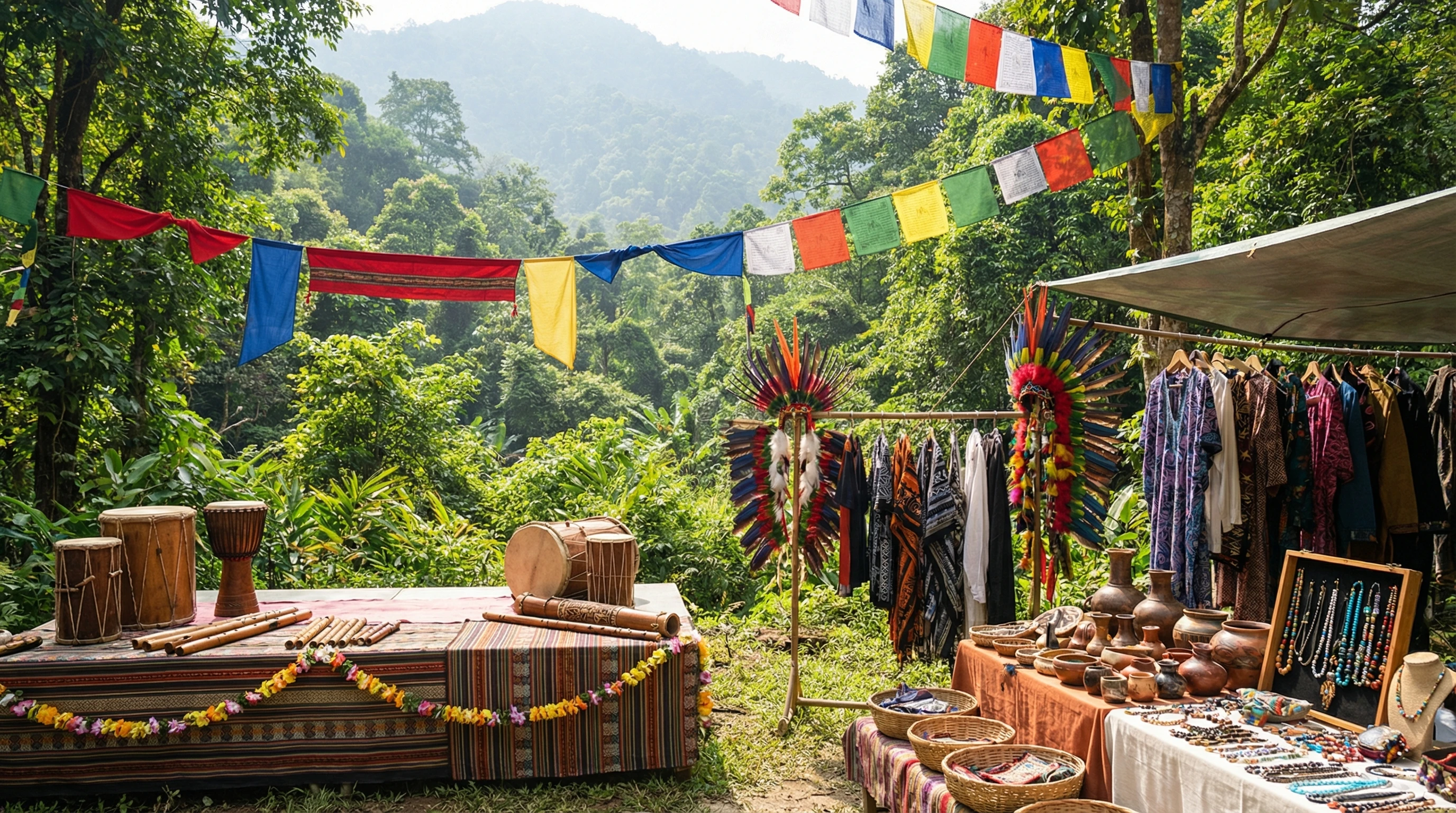
Many festivals are open to visitors from all backgrounds. You’ll likely see dances passed down across centuries, hear mesmerizing drumming, and catch artisan markets where craftspeople handmake items you can’t find anywhere else. Plus, there’s delicious food; sometimes featuring time-honored recipes with locally sourced ingredients. A lot of these traditions have been threatened or suppressed at different times, so the effort put into preserving and sharing them is really impressive.
The Most Memorable Annual Tribal Festivals Across the World
I’ve had the chance to attend some festivals on this list, and a few are still at the top of my wishlist. Each event has a unique spirit, but all offer a powerful way to experience tribal culture directly.
- Powwows in North America: All across the United States and Canada, tribal and First Nations communities host annual powwows. These gatherings mix friendly drumming competitions, vibrant regalia, “grand entry” parades, and art shows. Two of the best-known are the Gathering of Nations in Albuquerque and the Manito Ahbee Festival in Winnipeg. Check their official sites for dates and schedules.
- Pushkar Camel Fair, Rajasthan, India: While it’s best known as a livestock fair, Pushkar hosts tribal groups like the Rabari, Kalbelia, and Bhil who bring their music, dance, and colorful costumes. It’s not just camels on display; festivalgoers can get swept up in processions, folk performances, and craft bazaars.
- Hornbill Festival, Nagaland, India: The Naga people organize this vibrant event every December. Tribes from the region gather for a week of traditional games, wrestling, storytelling, and food stalls. The festival makes it easy for newcomers to participate, and it’s a fantastic introduction to northeast Indian culture.
- Garifuna Settlement Day, Belize: Held every November in towns like Dangriga and Hopkins, Garifuna Settlement Day includes drumming parades, masked dancers, and reenactments of the Garifuna arrival on Belize’s shores. The festival tracks a legacy of migration and resilience, blending music and community together around a warm welcome.
- Naadam Festival, Mongolia: Although often called a sports festival, Naadam features Mongolia’s major tribal groups showing off traditional wrestling, archery, and horseback racing. There’s plenty of music, local arts, and hearty feasts, making July a lively month to visit.
- Heiva i Tahiti, French Polynesia: In July, French Polynesia comes alive with the Heiva, a festival rooted in the cultures of Tahitian and other Polynesian peoples. I’ve seen incredible dance competitions, orchid garlands, and canoe races that bring huge crowds out to celebrate island heritage.
- Fiesta de la Virgen de la Candelaria, Peru and Bolivia: On the shores of Lake Titicaca, the Quechua and Aymara people host nearly two weeks of parades, musicians, rituals, and handembroidered costumes, combining ancient Andean beliefs with Catholic festivities. Puno, on the Peru side, is one of the biggest hotspots for this event in early February.
- Baliem Valley Festival, Papua, Indonesia: This August gathering in the highlands lets visitors see the traditional dress, music, and mock battles of the Dani, Lani, and Yali tribes up close. It’s a rare look at one of New Guinea’s most remote regions celebrating together.
Beyond these, other notable tribal festivals include the Gnaoua World Music Festival in Morocco, blending the traditions of the Gnaoua people with musicians from around the globe, and the Inti Raymi festival in Peru, a vibrant Andean celebration that draws crowds from far and wide. Each festival offers a one-of-a-kind blend of tradition, ritual, and community togetherness.
Tips for Attending Tribal Cultural Festivals
Experiencing these festivals is rewarding, but there’s a bit of preparation involved. Here are my best tips to help you make the most of your visit:
- Check the festival dates ahead of time. Some festivals follow lunar calendars or local schedules that switch up every year, so double-check the timing before booking flights or hotels.
- Learn a few greetings in the local language. Even basic words help break the ice and show respect. Festivalgoers really appreciate visitors who make the effort.
- Bring cash and prepare for rustic settings. While bigger festivals offer ATMs and accommodations, many are held outdoors with minimal infrastructure. I usually carry small bills for food, crafts, and tips.
- Dress modestly and be respectful with photos. Some tribes ask visitors not to take photos during ceremonies or inside certain areas. I always ask permission first and follow the lead of local people.
- Be open to invitations, but know your limits. You might be offered food, a spot in a group dance, or invited to join a ritual. Joining in is often encouraged, but nobody expects you to do anything you’re uncomfortable with.
Common Challenges and How to Handle Them
Traveling for festivals sounds like all fun, but there can be a few bumps along the way. Here’s what I’ve picked up from years of attending tribal events:
- Language barriers: Not everyone will speak your language, and not all events are narrated for visitors. Context clues, friendly gestures, and translation apps come in handy. And a smile helps everywhere!
- Remote locations: Some festivals are set far from major towns, which can mean arranging special transport or overnight stays in simple lodges or homestays. Planning ahead and booking early works in your favor, especially if accommodation is limited.
- Weather: Many festivals happen in the open; watch for rain, sun, or muddy walkways. I always pack sturdy footwear, a sunhat, and a travel rain jacket, just in case.
- Respect for tradition: Every festival will have customs about how to dress or behave. If in doubt, it’s always better to ask or follow the crowd until you get your bearings.
Language Barriers
It helps to download key phrases ahead of time and rely on visual cues. Sometimes, connecting with a local guide is super useful for deeper context, especially for storytelling or ritual-heavy events.
Remote Locations
Festival sites can be set in villages or remote valleys rather than big cities. I found it practical to check public transport options or connect with a group tour; splitting rides with others can turn into part of the adventure.
Weather
Even in summer, festivals might be muddy or exposed to hours of sun. Bringing a refillable water bottle, light layers, and waterproof bags for cameras or phones keeps your gear safe and your trip comfortable.
Respect for Tradition
Tribal events often have sacred portions not meant for outsiders or cameras. Hanging back, observing how locals participate, and asking organizers what’s appropriate keeps everything positive and respectful.
Going to a tribal cultural festival is more than just attending an event. It can deepen your understanding of the world and build a real appreciation for cultural diversity. Whether you’re cheering a horse race in Mongolia or sampling tamales in Belize, you’re helping support cultural preservation just by being there.
Pro Tips to Make the Most of Your Festival Experience
Stepping up your festival adventure comes down to a few little tweaks. I’m sharing some tips learned (sometimes the hard way!) to help you get even more out of your trip:
Try local food and crafts: Sampling traditional dishes or buying directly from artists puts your travel dollars right into the community.
Join workshops: Some festivals offer classes in dance, weaving, cooking, or musicplaying. These are fun, friendly, and a cool way to meet people.
Travel with an open mind: Not everything will be familiar, and some ceremonies might feel a bit mysterious. The experience is more about learning than judging.
Keep an eye on local announcements or social media feeds, since smaller festivals sometimes switch up schedules or locations. And don’t be surprised if a planned “2-hour event” runs all afternoon; flexibility is key!
How to Find the Right Festival for You
If you’re not sure where to start, think about what kind of experience you want. Are you interested in food, dance, crafts, sports, or just soaking up the atmosphere? I like to scan travel blogs, social media, and YouTube to get a taste of what a festival looks like before I commit. Websites like PowWows.com and Hornbill Festival are pretty handy for starters.
- Connect with local tourism boards or travel forums. Locals often know about smaller festivals or schedule changes.
- Look for cultural exchange trip options. Some group tours are themed around festival attendance, which can make logistics easier and add extra sightseeing perks.
Additionally, try reaching out to community groups or cultural centers in the area of interest—they often have insider tips or know of workshops and satellite events tied to bigger festivals. The more you research, the more unique experiences you can stumble upon.
Frequently Asked Questions
Here are a few short answers to the questions I get asked most often about attending tribal festivals:
Question: Can anyone join a tribal cultural festival?
Answer: Most public festivals welcome visitors with open arms, but it’s always smart to check in advance with organizers about any areas or events that are private.
Question: What should I bring?
Answer: Comfortable shoes, light layers, sun protection, hand sanitizer, and a bit of cash cover most situations. A power bank for your phone is really useful for long days outdoors.
Question: How do I travel to remote festivals?
Answer: Look to book early, and reach out to local guesthouses or travel forums for transport options; they’ll often connect travelers heading the same way.
Festival Season Adventure Awaits
Whether it’s powwows in North America or the colorful feasts of South America or Asia, tribal cultural festivals open a real window into tradition and joy. Wander through the crowd, taste a dish you’ve never tried, or just take in the sound of drums echoing in the open air. It’s not just a trip for your calendar; it’s a memory you’ll keep for years. Enjoy every moment, and don’t forget your camera!