
If you own Native American jewelry, you probably know these pieces aren’t just pretty accessories. They tell stories and carry a ton of meaning. From handcrafted silver to vibrant turquoise and intricate beadwork, taking care of these treasures helps keep them looking good and keeps their cultural significance alive. Over time, everyday wear, exposure to the elements, and simple accidents can take a toll. Knowing a few everyday care tricks and preservation tips goes a long way toward keeping your collection sharp.
Understanding Native American Jewelry: Materials and Meaning
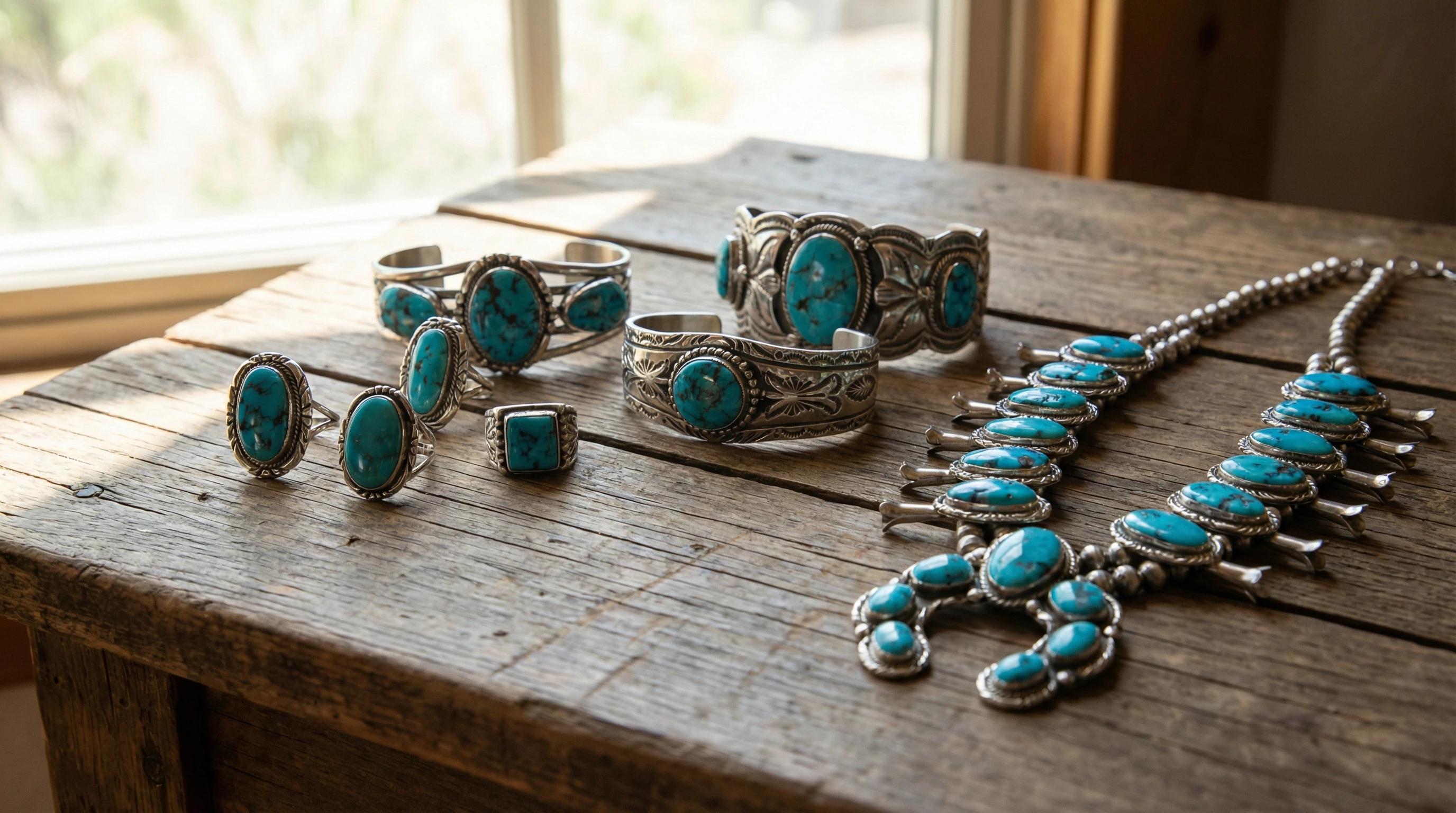
Every piece of Native American jewelry usually blends tradition and craftsmanship. The materials used often give each piece its signature look and value. Here’s a quick rundown of what’s super common and worth keeping in mind:
- Turquoise: Known for its eye-catching blue or green shades, turquoise is especially popular in Southwestern jewelry. It’s a softer stone and especially sensitive to chemicals and sunlight.
- Sterling Silver: Most Native American jewelry uses sterling silver rather than pure silver. Sterling offers more strength but still needs the right care to prevent tarnishing.
- Coral, Shell, and Lapis: These bring in added color and depth. Some, like coral, can be quite delicate.
- Beadwork and Leather: Many tribes, especially from the Plains and Woodland regions, add beadwork to their designs or use leather for the base and ties.
These materials are chosen not just for looks, but often for symbolic meaning too. For instance, turquoise has been valued as a protective stone for generations, and silver is often seen as reflecting the light of the moon.
Getting Started: Everyday Care Tips for Native American Jewelry
Even though Native American jewelry is made for wear, it’s worth handling with a bit of care, especially compared to everyday fashion jewelry. I always follow these practical steps to keep my pieces fresh:
- Keep Jewelry Dry: Water can be tough on stones like turquoise and can speed up tarnish on silver. Take jewelry off before showering, swimming, or even washing dishes for best results.
- Apply Products First: Put on lotion, hairspray, or perfume before adding jewelry. Cosmetics and sprays can damage natural materials.
- Regularly Wipe Down: A soft, dry cloth after each wear removes oils and dirt, which can dull stones and wear down silver faster.
- Handle with Clean Hands: Oils and dirt from hands can transfer to the pieces and accelerate tarnishing or discoloration.
These steps might seem simple, but they truly make a big difference over months and years, especially for multi-material pieces that blend stones, metals, and organic material.
Cleaning Native American Jewelry Safely
When it comes to cleaning, gentle is the name of the game. Native American jewelry’s biggest enemy is harsh chemical cleaners or scrubbing techniques. I stick to these safe techniques, and they’re pretty easy to work into a routine:
- Use Soft Polishing Cloths: Special silver or jewelry cloths remove tarnish from silver without scratching. Don’t use paper towels or tissues; these can actually leave micro scratches.
- Mild Soap and Water for Heavy Grime: If a piece is genuinely dirty, a little diluted, gentle soap and lukewarm water can help. Dip a soft toothbrush or cloth into the solution and gently wipe. Be extra careful to keep stones like turquoise or coral from getting too wet. Immediately dry off jewelry afterward.
- Avoid Liquid Jewelry Cleaners: These often contain chemicals that damage or discolor the materials used in Native jewelry, especially natural stones or antique finishes.
Sometimes, designs feature intricate ridges or engravings that collect dust. For those, a super soft brush works well for getting into tiny spaces and clearing debris without scratching details.
Proper Storage: Storing Your Collection To Prevent Damage
How jewelry is stored can make a huge difference. Tarnish, tangles, and scratches are common issues with all jewelry, but Native American pieces, with their mixed natural materials and softer stones, need a bit more attention. Here’s what works best for me:
- Store Separately: Keep each piece in its own pouch or soft cloth bag, or use separate compartments in a jewelry box. This avoids scratching and tangling between pieces.
- Keep Away from Direct Sunlight: Sunlight can fade colored stones, leather, and beadwork. A cool, dry, shaded spot is always best for long-term storage.
- Use Anti-Tarnish Strips: Slip an anti-tarnish strip into storage pouches. These absorb tarnish-causing chemicals in the air.
- Avoid Plastic Baggies for Long-Term Storage: Some plastics hold in humidity, which can speed up tarnish or even lead to pitting in metals.
If you travel with jewelry, cushioned travel cases help avoid scratches or bending, especially for delicate silverwork or complex bead patterns. These cases are also handy for organization and safe keeping on the go.
Common Problems and Easy Fixes
It’s very normal to run into problems like tarnish, loose stones, or damaged links. Most of these are easy enough to handle at home, but sometimes a pro is needed. Here are a few tips I follow:
- Tarnish on Silver: Use a jewelry polishing cloth to bring back luster. Avoid dips or paste polishes that might get trapped in textured silverwork.
- Loose Stones: If a stone wiggles or lifts, avoid wearing the piece. Bring it to a jeweler who knows Native American jewelry, as regular jewelers might not have the right experience.
- Frayed Leather or Stringing: Simple fixes like reknotting or using new cord take only a few minutes. For high-value or vintage pieces, try to keep as close to the original materials as possible for authenticity and longer life.
Trying DIY fixes on important, older, or sentimental pieces isn’t a great plan. Restoration pros can keep the original craftsmanship while repairing any issues, making sure the value and beauty are both protected.
Protecting Value and Authenticity
Aside from the personal stories attached to each piece, Native American jewelry can also have real monetary and cultural value. Plenty of collectors keep appraisals and origin paperwork handy. Here’s my approach to keeping the investment and authenticity safe:
- Document Pieces: Take clear photos and note down any info about the artist or origin you have. This helps with insurance and future repairs, and it’s great for tracking your own growing collection.
- Get Artifacts Appraised: Especially for antique or rare pieces, periodic appraisals from a reputable Native jewelry appraiser help keep track of value.
- Avoid Unnecessary Repairs: Over-restoring or switching up pieces can lower value. Always check with a specialist before major work.
Authentic Native American jewelry often comes with markings or certificates from recognized organizations or artists. If you’re unsure about a piece’s origins or details, established dealers and museums can often help identify and verify authenticity for peace of mind.
Advanced Preservation: When To See A Professional
There comes a point where a professional’s touch is worth it, especially for rare, very old, or particularly valuable pieces. Jewelry conservators with experience in Native American art can handle things like:
- Restoring old patina without stripping original finishes.
- Restringing or resetting stones using traditional methods.
- Assessing mineral damage or repairing broken inlays without modern adhesives that can damage the piece later.
Even for those who like to handle basic upkeep, some preservation steps are just safer in the hands of experts who understand traditional techniques.
Real-Life Uses: How I Enjoy My Native American Jewelry Day to Day
Wearing Native American jewelry connects me not just to the past, but to artists and craftspeople working today. Special pieces can be pulled out for formal events, while everyday pieces add personality to simple outfits. I like to rotate different necklaces and rings throughout the week. By doing so, nothing gets too much sun or wear, and each piece gets its own chance to shine and be shared with others.
- Daily Wear: For everyday use, stick with robust silver pieces that can handle some bumps and avoid beadwork if you’re doing chores.
- Special Occasions: Bring out intricate beadwork or fragile pieces for special events. Afterward, put them back safely to avoid accidental drops or sunlight damage.
- Display Pieces: Some jewelry makes great decor. Put it on padded trays, but keep out of direct light to avoid fading and drying out leather or dyes.
The coolest part is sharing the stories and history behind each item whenever someone asks about what I’m wearing, passing along knowledge and appreciation for these special creations.
Frequently Asked Questions
I get a lot of questions from new collectors and even folks inheriting family pieces. Here are a few I hear all the time:
Question: What’s the safest way to clean old turquoise jewelry?
Answer: Stick to a dry soft cloth and avoid soaking or commercial cleaners. If it’s extra dirty, a barely damp cloth works. Just be sure to dry it immediately and thoroughly.
Question: How can I tell if Native American jewelry is real or reproduction?
Answer: Look for artist signatures, documentation, or buy from trusted dealers. Authentic pieces are often slightly imperfect, showing signs of being handmade.
Question: My silver jewelry is turning black. Is that normal?
Answer: Yes, that’s called tarnish and is a normal reaction with air and moisture. Just polish it gently with a soft jewelry cloth to restore the shine.
Question: What if a stone falls out or a piece breaks?
Answer: Avoid trying to glue or fix it yourself unless you know what you’re doing. Take it to an experienced jeweler or conservator who specializes in Native American jewelry for the best results.
Key Takeaways for Native American Jewelry Care
Caring for Native American jewelry means that each piece can be enjoyed for years to come, both by you and by future generations. Smart everyday habits, safe cleaning methods, and the occasional professional check-in keep things looking their best and help honor the work and stories behind each item. If you’re not sure about something, reaching out to a specialist is always a good move. A little effort goes a long way with these wearable works of art!