
Ceremonial practices among different tribes are full of fascinating rituals, rich symbolism, and deep-rooted traditions. If you’re curious about how different groups celebrate transitions, connect with their ancestors, or mark important milestones, checking out these ceremonies gives you a front-row seat to centuries of inherited wisdom. Drawing from my own experiences researching and even witnessing a handful of these celebrations, there’s a world of meaning, history, and beauty to stumble upon.
Understanding Tribal Ceremonial Practices
Tribal ceremonies carry a lot of weight, playing key roles in how communities express their identity, honor ancestors, and mark changes in life or the environment. These aren’t just random gatherings. In many tribes, ceremonial practices are central to how knowledge, values, and spiritual beliefs get passed down through generations.
Sometimes these ceremonies are public events, drawing whole villages together. Other times, they’re reserved for initiates or elders, with rituals cloaked in secrecy. No matter the format, each ceremony comes with its own meanings, symbols, and often a set of rules about who can participate and how things are done.
Ceremonies for Life Transitions
Life transitions like birth, adulthood, marriage, and death are surrounded by unique customs in nearly every tribal culture. These milestones are seen as turning points that require guidance, blessing, and official welcoming into a new phase of life.
- Birth Rites: In many Native American tribes, welcoming a new baby comes with namegiving ceremonies where elders may use music, blessings, or symbolic gifts to wish health and protection.
- Coming of Age Rituals: Groups like the Maasai of East Africa have well known initiation rites that include distinctive dress, dances, and teachings to mark entry into adulthood. The Navajo host kinaaldá, a multiday celebration for girls’ transition into womanhood, involving family, song, and special food.
- Marriage Ceremonies: Marriage among tribes such as the Zulu or Hmong is usually a multiday affair, blending spiritual invocations, music, and formalized exchanges of gifts. These rituals tie families together and reinforce broader community bonds.
- Death and Ancestor Honoring: Among the Toraja in Indonesia, funeral ceremonies can last days and include feasting, traditional music, and animal sacrifices. These observances are meant to help the dead on their journey and show lasting respect for one’s ancestors.
Practices Rooted in Nature and the Seasons
Nature sits at the heart of nearly every tribal ceremonial system I’ve come across. Rituals often sync up with the harvest, hunt, or cycles of the moon and sun. These ceremonies help communities feel connected to a larger world, centering gratitude and respect for the land and creatures around them.
- Harvest Festivals: The Hopi of the American Southwest celebrate Niman, the Home Dance, to mark the return of the spirits (kachinas) and give thanks for the corn harvest. The festival is full of color, music, and moments for gathering the entire community to share food and honor the earth’s gifts.
- Rainmaking Ceremonies: Among the Balobedu of Southern Africa, the Rain Queen leads rituals calling for rain, blending sacrifice, sacred songs, and legendary rain pots. Some of these rituals include dramatic dances and displays of traditional regalia, reinforcing the importance of community cooperation and hope.
- Moon and Sun Rituals: The Sami of Scandinavia celebrate the start of winter with joik singing and offerings to the sun, asking for good fortune during the darker months. These traditions are crucial for linking the community to the changing seasons and reinforcing spiritual beliefs tied to natural cycles.
Key Elements of Tribal Ceremonial Practices
Across tribes, some core elements keep popping up, even if the details change. Understanding these parts adds a new angle to what’s happening during the ceremonies.
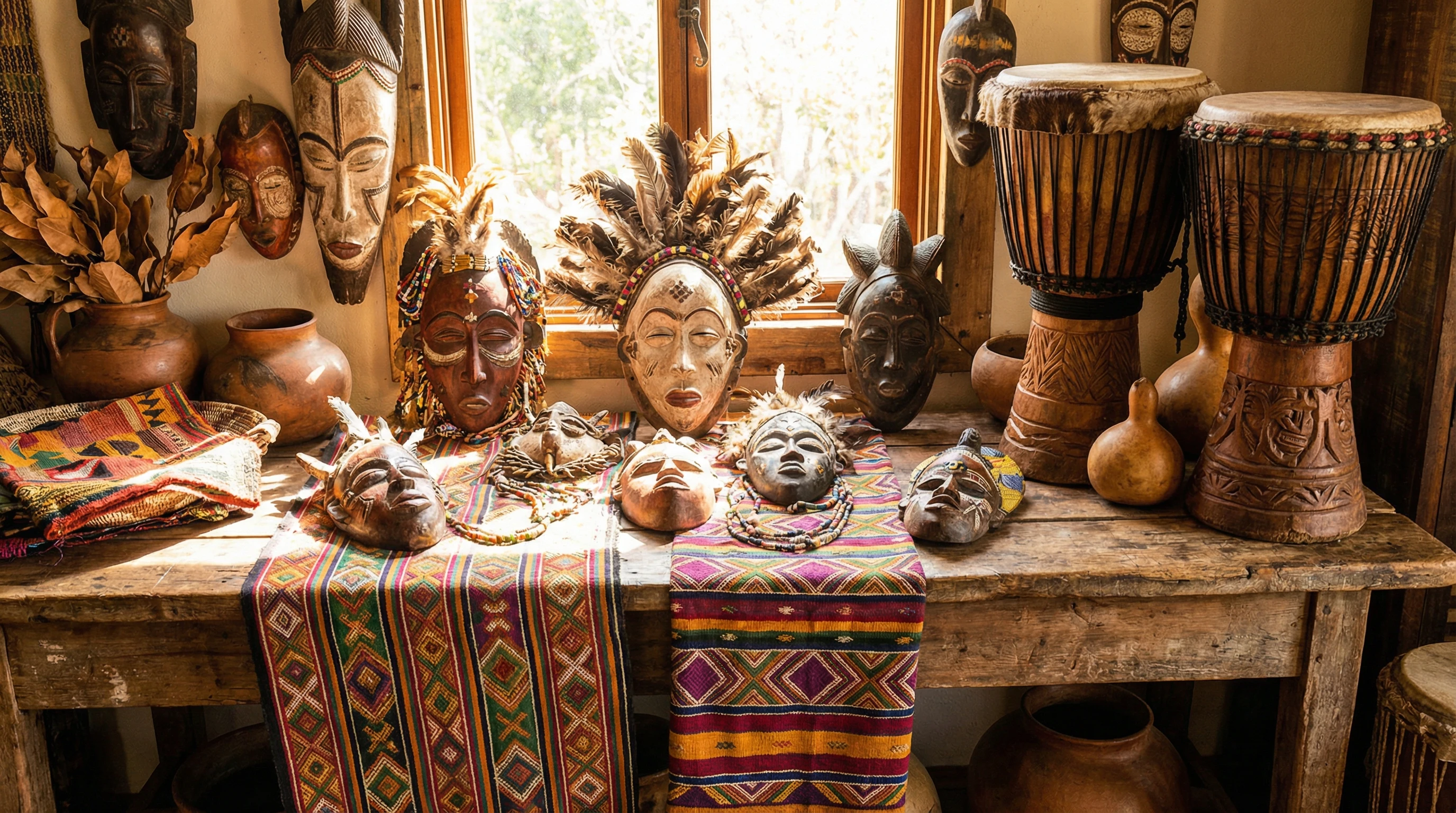
- Music and Dance: Drumming, chanting, or traditional songs set the stage, helping people switch from the everyday to something more sacred. Dances bring everyone together and can symbolize everything from battles to blessings. Sometimes, these dances tell stories of historic events or honor animal spirits and ancestors.
- Symbols and Artifacts: Beads, masks, feathers, and woven cloth often carry deep meanings, acting as visual cues for the ceremony’s purpose. The Ashanti use kente cloth, while the Plains nations of North America value eagle feathers for special rituals. These items often become treasured keepsakes that are passed down as a link to previous generations.
- Offerings and Sacrifices: These can range from pouring out water or grain to more elaborate animal sacrifices, all meant to show thankfulness and invite guidance or blessing from spiritual forces. In some places, people plant trees or light fires as symbolic gestures for renewal and hope.
- Storytelling and Oral Traditions: Ceremonies double as a time to retell histories, myths, and lessons. Elders will often take the lead, using these moments to guide younger members and keep tradition alive. These stories are usually filled with metaphor and are key in shaping community values and lessons.
Tips for Experiencing Tribal Ceremonies Respectfully
If you ever get a chance to witness or participate in a tribal ceremony, some things make a big difference in making sure the experience is respectful and positive for everyone involved:
- Seek Permission: Always ask before taking part or snapping photos, since some rituals are intensely private or sacred. Being mindful of these boundaries shows that you value the experience and the community’s needs.
- Learn the Basics: Understanding the general flow and meaning behind a ceremony, even just a little, helps you avoid mistakes that may offend. Reading up on the culture or chatting with a local contact beforehand is a good idea.
- Dress Appropriately: Some ceremonies have strict dress codes or ask outsiders to cover up, take off hats, or not wear jewelry. Following these rules shows genuine respect. In some cases, you may be asked to wear a symbolic item provided by the hosts.
- Offer a Gift: It’s common in many cultures to bring a small offering, often food, tobacco, or a simple handmade gift, as a sign of gratitude for being included. Thoughtful gifts can help break the ice and show that you care about the customs.
- Keep Phones Away: Many ceremonies are about presence. Leaving tech out of the moment is usually very much appreciated. Some tribes even view taking photos as disrespectful or intrusive, so it’s best to double-check first and focus on the experience directly.
A little awareness and care can smooth the way for meaningful interactions, letting you enjoy the experience without causing offense. Listening, observing silently, and asking thoughtful questions when appropriate will always be welcomed.
Challenges and Changes in Modern Ceremonial Life
Modern times have definitely shaped how tribal ceremonies happen. Urbanization, religious conversions, laws, and outside influences have meant some practices have faded, changed, or been brought back in new ways. I’ve noticed some groups reviving old songs, dress, and even languages during ceremonies to strengthen cultural ties, especially among youth. This cultural revival not only preserves traditions but brings communities together across generations to celebrate shared identity.
- Loss of Sacred Spaces: As land is developed or sacred sites are closed off, some ceremonies have had to move or shrink, making it tougher for traditions to be carried on as they used to be. Sometimes, tribes adapt by finding new, meaningful places for worship and gathering, blending the old with the present.
- Blending Traditions: In places like Central Africa and Alaska, it isn’t uncommon to see a mix of old and new world traditions blending, like Christian prayers followed by a traditional dance or song. This gives ceremonies new meaning while keeping ties to the past.
- Legal and Political Barriers: Some tribal groups have faced bans or heavy regulation, like hunting limits or restrictions on animal sacrifices, sparking new creative or symbolic versions of the old ceremonies. These changes showcase determination and adaptability, as communities hold onto their roots while following modern regulations.
- Cultural Revival: Young people, especially through social media and school programs, are bringing back interest in ceremonies, even livestreaming or documenting them for future generations. Through these efforts, unique customs are being preserved and shared, adding fresh energy to ancient traditions.
Frequently Asked Questions
Here are a few questions that come up a lot when people start looking into tribal ceremonial practices:
What’s the difference between a ceremony and a festival in tribal cultures?
Answer: Ceremonies are often more sacred, focused, and rule bound, while festivals may be broader celebrations that include music, food, and games open to both insiders and outsiders.
Are nontribal members ever allowed to participate?
Answer: Sometimes, yes, but it depends on the specific tribe, the nature of the ceremony, and the relationship outsiders have with the community. Some events are closed, while others are more welcoming.
How are ceremonial traditions taught and preserved?
Answer: Through oral history, mentorship, and hands on participation. Elders and initiated members usually pass down the steps and meanings to the next generation, often using song, storytelling, and demonstration.
Final Thoughts on the Power of Tribal Ceremonial Practices
Ceremonial practices among different tribes continue to shape identities, strengthen communities, and teach timeless lessons. Whether through the rhythms of a drum, the scent of sacred smoke, or the retelling of an ancient story, these ceremonies offer ways to belong, honor, and heal. Even as traditions mix things up and adapt over time, they carry the memories and hopes of countless generations before us, making them worth exploring, respecting, and learning from, no matter where you call home.