
If you’ve ever paused at a display case of turquoise and silver jewelry and wondered about its story, you’re not alone. Native American jewelry is a fascinating area to collect, bringing with it layers of history, culture, and impressive craftsmanship. Whether you’re picking up your first piece or planning to build out a whole collection, there are a few things that really help any collector start out on the right foot.
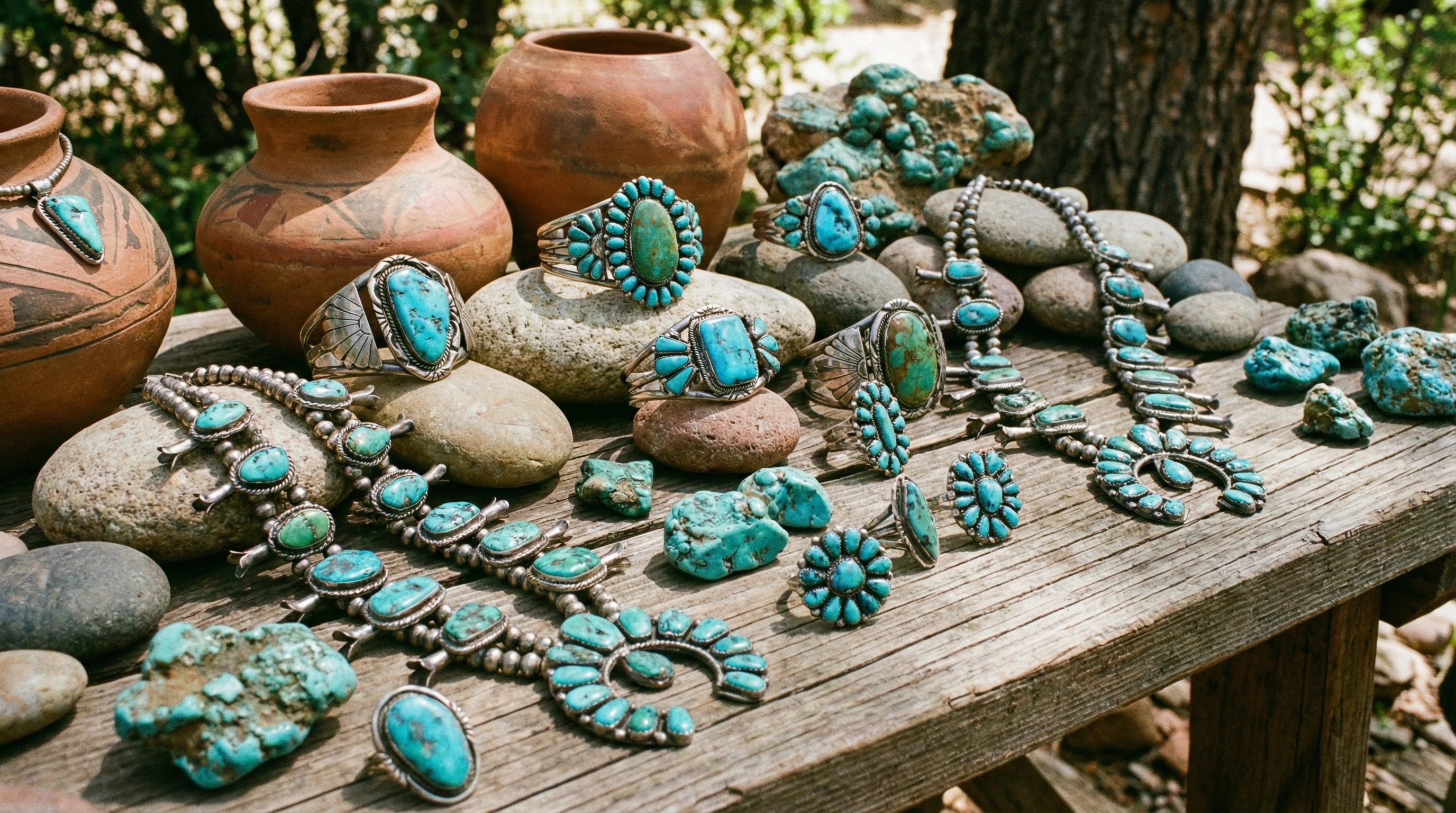
Why Collect Native American Jewelry?
Collecting Native American jewelry goes beyond just adding attractive pieces to your collection. These pieces have stories woven right into them, blending cultural meaning, traditional methods, and individual artistry. Southwestern tribes like the Navajo, Zuni, Hopi, and Santo Domingo have all developed distinctive jewelry styles over centuries. Each region and artist brings a distinct flair; whether it’s the chunky stones, mosaic inlay, or fine silver overlay.
Many pieces tell a story about the maker, their family, or the beliefs within their nations. Some designs feature protective motifs or serve as status symbols. For plenty of collectors, learning about these symbols is just as rewarding as owning the jewelry itself. The market for Native American jewelry is also pretty active, with both vintage and contemporary pieces holding value if cared for properly and purchased with authenticity in mind.
Basics of Native American Jewelry Styles
Understanding some of the basic styles gives you a foundation as you start collecting. Here are a few of the most popular types you’re likely to see:
- Turquoise and Silver Jewelry: Think Navajo squash blossom necklaces, Zuni cluster pins, or big chunky bracelets. Turquoise is especially prized, and silverwork often shows beautiful hand tooling or stamping.
- Kewa (Santo Domingo) Heishi Beads: String beads that might be made from shell, turquoise, or stone. The beads are hand ground, a skill passed down through generations.
- Zuni Inlay and Petit Point: Zuni artists are famous for intricate inlay, where tiny stone pieces are set in mosaic-like designs. Petit point pieces use small, shaped stones set into silver as floral or geometric clusters.
- Hopi Silver Overlay: Hopi smiths create striking patterns by layering hand cut silver over a textured background. Designs usually have symbolic meaning and are unique to each maker.
Recognizing these techniques is key for new collectors. You might stumble upon a unique item that stands out for its craftsmanship once you get to know the differences in regional and artist-level approaches. Jump into different galleries to compare the variety and get a sense of what makes each piece special.
Getting Started as a Collector
Starting a collection is really about figuring out what you love, but a few guidelines keep the process smoother and help you avoid common beginner slip-ups:
- Decide What Excites You: Some folks love big turquoise statement rings; others get drawn in by Zuni inlay or vintage bolo ties. Spend time visiting local galleries, museums, or online auctions to see what grabs your attention.
- Set a Budget: Quality Native American jewelry ranges from affordable souvenir pieces to investment-level art. Setting a budget up front keeps things fun rather than stressful.
- Read Up on Hallmarks and Signatures: Many artists stamp their work. Learning how to spot these marks can help you identify authenticity and even track down more information on specific makers. Books like “Hallmarks of the Southwest” are pretty handy for this.
- Connect With Reputable Sellers: Working with trusted galleries, experienced dealers, and direct from artist events can help you feel confident about what you’re buying. Look for shops that provide a written guarantee of authenticity.
It can also help to join collector groups or online forums. Hearing from others who have been collecting for years helps you avoid rookie mistakes and might even tip you off to local shows or artists you wouldn’t have found on your own.
Key Things to Know When Buying Native American Jewelry
Busting a few myths and pitfalls up front will save you headaches (and money):
- Authenticity Matters: Unfortunately, there are a lot of fakes out there. Look for clear provenance, a history of where the piece came from, who the artist is, or at least some basic context.
- Materials Used: Most traditional pieces use sterling silver, genuine turquoise, shell, or coral. Watch out for plastic imitations or pieces marked “silverplated.”
- Artist Connections: If possible, buy directly from Native American artists at markets, fairs, or reputable online stores. This way, you’re supporting the community and getting a better sense of the story behind each piece.
- The Indian Arts and Crafts Act: This U.S. law makes it illegal to sell jewelry as “Native American” unless it’s actually made by members of a federally recognized tribe or certified Indian artisans. Genuine Native jewelry will usually come with some kind of label or description.
Knowledgeable buyers tend to ask for as much information as possible before buying. Don’t be afraid to question sellers and request details about the piece’s history and materials. It’s part of the fun and builds your confidence as a collector.
Troubles You Might Encounter When Collecting
- Spotting Fakes: Look for clear hallmarks, provenance, and material quality. Mass produced imitations show up often, especially in tourist hotspots.
- Price Uncertainty: Because the market is broad, prices can swing wildly between similar looking pieces. Careful research helps buyers make informed decisions.
- Material Misrepresentation: Some sellers try to pass off synthetic stones or low quality metal as authentic. Don’t hesitate to ask questions or request documentation.
- Handling and Storage: Silver tarnishes and stones can break. Proper care, like dry storage and gentle handling, helps preserve pieces for years.
Spotting Fakes:
Fakes are sadly pretty common and can look convincing at first glance. Real Native American jewelry typically shows high quality craftsmanship and individualized details. Mass produced items, on the other hand, may be clunky, feature poorly set stones, or be missing hallmarks altogether. Authentic pieces feel sturdy and may have small maker marks on the back or inner band.
Price Uncertainty:
It’s common to see two nearly identical pieces with completely different price tags, especially with older jewelry or on the internet. Gathering information about the artist’s reputation and the history of the materials can help you judge value and avoid overpaying.
Material Misrepresentation:
Always double check if a piece is described as sterling silver (usually marked .925) and if the stones are genuine (not “stabilized” or dyed to imitate higher end material). Shops that offer a certificate or written guarantee may be more trustworthy.
Handling and Storage:
Silver can tarnish easily with moisture, while turquoise is a porous stone that can absorb oils or perfumes. Store jewelry in dry, padded containers and only wipe it down with soft, dry cloths. Keep it away from household cleaners.
These hurdles sound intimidating, but by paying a little extra attention and choosing reputable sources, you’ll get the hang of spotting the good stuff sooner than you might think.
Tips for Building a Special Collection
As your collection grows, you might be interested in focusing on a specific area or artist. Here are a few ideas:
- Narrow by Region or Tribe: Collecting pieces from a single geographic area or focusing on work from a specific group, like Zuni or Hopi, can help you build a collection with a consistent theme.
- Focus on a Specific Type: Some people collect only belt buckles, bolo ties, cluster pins, or rings. This creates a focused (and often more affordable) approach.
- Attend Tribal Art Markets: Big events like the Santa Fe Indian Market or the Heard Museum Guild Fair are great for finding unique pieces and meeting artists face to face. It’s pretty fun, and you can learn a lot just by chatting with makers about their techniques.
You might also want to collect by era, focusing on vintage jewelry from a certain decade. And don’t forget, documenting your collection with photos and notes about how and where you found each piece can be a rewarding part of the hobby and helpful for insurance purposes.
Most Popular Uses and Ways to Enjoy Your Jewelry
- Everyday Wear: Native American jewelry is sturdy enough to be worn often, and it makes for an eye catching conversation starter.
- Special Occasions: A statement necklace or pair of turquoise earrings can take any outfit up a notch.
- Home Displays: Many collectors show off larger or more ornate pieces in glass cases, on wall mounts, or as part of home decor.
Some people even set up shadow boxes or frame particularly striking items to create an art display in their homes. Native American jewelry isn’t just for wearing; it can add next-level cool to your space and often invites questions and stories that deepen your appreciation for the pieces.
Frequently Asked Questions
There are plenty of questions that pop up when starting out with Native American jewelry. Here are some of the common ones I hear:
Question: How can I tell if a piece is authentic?
Answer: Look for artist hallmarks, documentation, and purchase from reputable or well reviewed dealers. Sometimes older pieces may not be signed, so checking the quality of craftsmanship is super important.
Question: Are there certain stones that are always used?
Answer: Turquoise is a favorite, but you’ll also see coral, jet, shell, malachite, and onyx. Shell and heishi beadwork are common in older Santo Domingo and Zuni pieces.
Question: Is older jewelry more valuable?
Answer: It totally depends. Sometimes, provenance or a famous maker bumps value, but even new pieces can be valuable if they show excellent technique and materials.
Final Thoughts
Getting into Native American jewelry collecting is a fun way to connect with art, history, and people. The more you learn about the symbols and stories behind each piece, the more rewarding every find becomes. Reliable knowledge, a bit of patience, and choosing sellers with good reputations are key steps in building a collection you’ll be proud of for years.
Keep expanding your knowledge and enjoy the hunt for those special pieces that catch your eye; you might stumble upon stories and artistry you never expected along the way!