
Stories and legends play a really big role in how different tribes understand their world, their history, and even their everyday lives. Hearing stories about the sun, the creation of the earth, or a trickster fox isn’t just entertainment; it shapes how people view right and wrong and builds a bond within communities. Comparing myths between tribes can be pretty exciting because it uncovers the creative ways humans try to answer some of life’s biggest questions, even if they’re living on opposite sides of the planet. In this article, I’ll break down the reasons myths pop up, compare some common themes, and show how these stories travel, change, and stay alive in modern times.
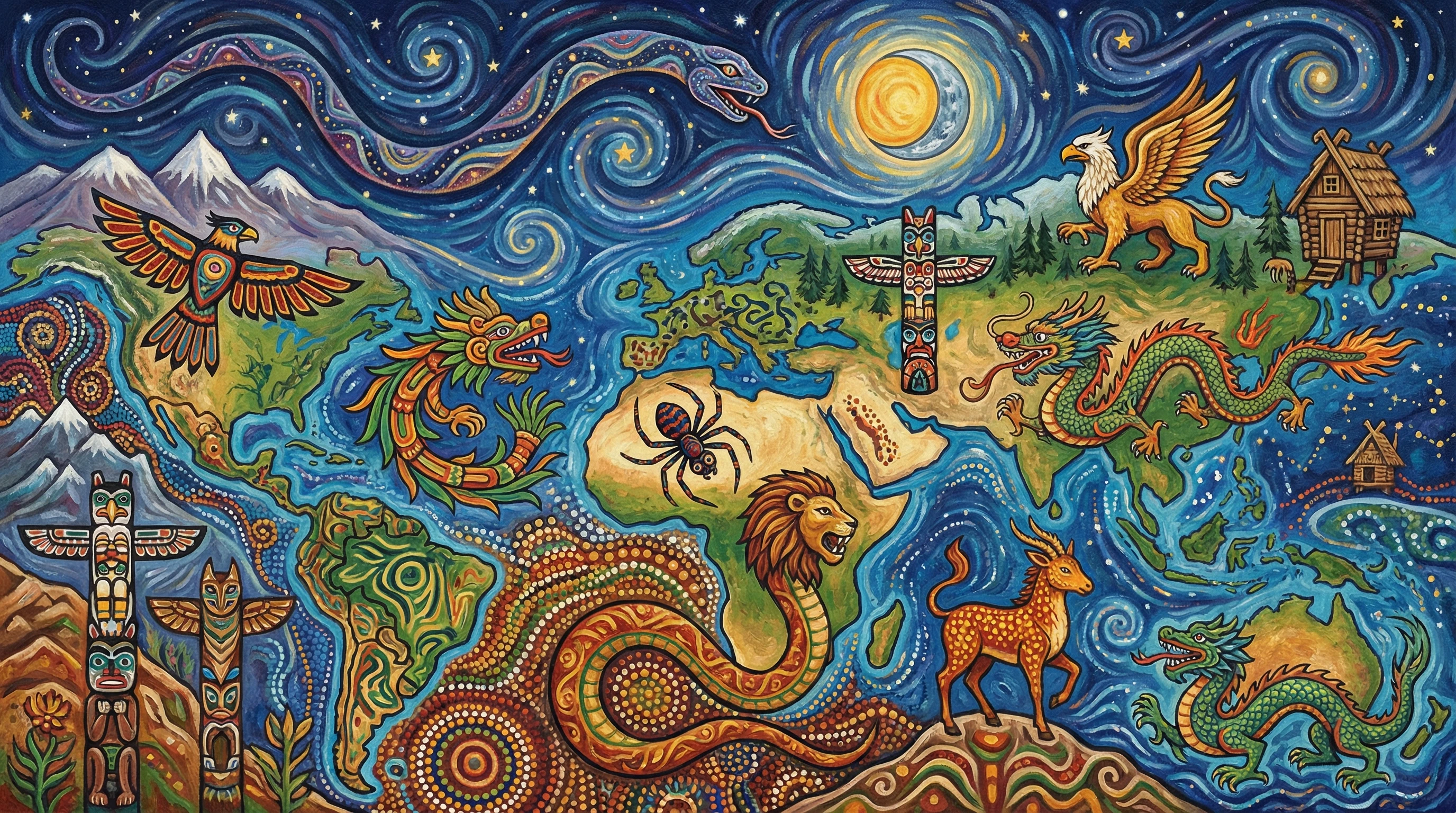
Why Tribes Create Myths
Every tribe has a collection of stories that explain how things came to be, why the sky is blue, or why certain animals behave in certain ways. Myths aren’t just tall tales; they’re a way for tribes to make sense of the world, share lessons, and pass traditions from one generation to the next.
Many myths are born out of real life experiences or natural phenomena that seem mysterious or confusing. With no scientist handy, people get creative and turn those mysteries into legendary stories. These stories often explain:
- Origins of the world: how earth, plants, animals, or humans first came into being
- Natural disasters: floods, volcanoes, lightning, or eclipse events
- Human behavior: why sharing is important, how to stay safe, or how to resolve conflicts
- The role of spirits and gods: who watches over the land or controls the weather
Because tribes are often separated by distance and environment, myths grow in lots of directions. Deep down, they reflect similar needs and concerns shared by lots of people.
Common Themes in Myths Across Tribes
Checking out stories from tribes in Africa, the Americas, Australia, and the Pacific, I’ve noticed some recurring themes. Here are a few you’ll spot again and again:
- Creation Stories: Tribes everywhere have big stories about how the world began. The Hopi people in North America have tales of the world rising out of darkness, while the Māori of New Zealand talk about a sky father and earth mother being separated to let light in.
- The Trickster: Whether it’s Coyote in many Native American tribes, Anansi the Spider in West Africa, or the Raven among Pacific Northwest peoples, tricksters show up a lot. They keep things lively, break rules, and sometimes teach valuable lessons (even if it’s by making a mess!).
- Animal Transformations: Animals that turn into humans or vice versa pop up in loads of stories. It expresses the close ties people feel with nature. In Inuit myths, seals become beautiful women called selkies, and in Aboriginal Australian stories, ancestral beings can shapeshift, blending the animal and human worlds.
- Floods and Rebirth: Massive flood stories exist in so many places, from North American tribes like the Ojibwe to tribes in Southeast Asia. These stories often talk about survival, second chances, and starting over.
Seeing the same types of stories pop up again and again, even among tribes who have probably never met, really highlights how humans everywhere search for answers to the same big questions.
In addition to these classic themes, some tribes incorporate the cycles of nature, like the changing seasons or migration of animals, to mirror life lessons about patience and resilience. Myths tied to specific constellations or the appearance of certain plants at different times of year show just how much observation went into making sense of the world, and how these stories helped communities adapt and thrive.
How Myths Evolve and Spread
Stories might start in one place, but they almost never stay in one spot forever. There are a few ways myths travel or change:
- Trade and Migration: When tribes move, trade, or visit each other, they swap stories just like they swap goods or tips about the seasons. Over time, a story can pick up new details, borrow characters, or even flip the moral depending on who’s telling it.
- Local Flavor: If a tribe lives in the desert, their myths might lean toward snakes, sand, and survival, but a rainforest tribe’s stories might center around rivers, giant trees, or colorful birds. Even if the structure is similar (“The spirit of the great river grants wisdom to those who listen”), the details get a unique twist.
- Cultural Adaptation: Sometimes, contact with outsiders—from other tribes to colonizers—leads tribes to merge, adapt, or protect their stories. Some myths even blend together, growing more complex as they go.
Through all these changes, myths stay alive, adapting to new challenges while holding onto bits of their original flavor. That flexibility is a big part of what makes them so enduring. New storytellers may blend old traditions with recent events or lessons learned from outside influences, showing how myths can keep growing and staying relevant, no matter what changes come their way.
What Makes a Myth Unique to a Tribe?
Some myths only exist in one spot or have a twist that’s really specific to a place or way of life. Here’s what usually gives a myth its own hometown flavor:
- Landscape and Animals: If a community lives near mountains, you’ll likely find myths about mountain spirits, rock giants, or high flying birds. If it’s on a coast, sea monsters or tides might play a main role.
- Tribal Values: One tribe might tell stories that celebrate bravery in hunting, while another tribe, more focused on farming, might highlight cooperation and patience.
- Spoken Traditions: The storyteller’s style also shapes a myth. Songs, dances, and dramatic performances add local character and keep a story fresh and fun.
Even when the same themes are shared, the details and emotions that come out in the telling give every tribe’s myths their own spark.
Storytellers often use humor, suspense, and repetition to help listeners remember important details. Some tribes also use visual art, like carvings or beadwork, to keep their stories alive. These unique methods add layers of meaning and help keep each tribe’s myths truly one of a kind.
Comparing Similar Myths: Real Examples
Here are a couple of examples from tribes far apart, showing similar themes but unique twists:
Creation Myths
Both the Yoruba people in West Africa and the Haida people on the northwest coast of North America have creation myths that talk about a bird stirring up the earth to bring life out of chaos. But for the Yoruba, it’s a chicken, while for the Haida, it’s a raven. Both birds play with mud and shape the land, but the story’s energy and specific advice change based on place and culture.
The Trickster
The Ewe people of Ghana have Anansi the Spider, who often gets into trouble with his clever plans but sometimes pays a price for greed. In Plains Native American tribes, Coyote also tries to outsmart the world, sometimes helping humans and sometimes just making their lives harder. Both tricksters break the rules, but each is loved for different reasons and teaches different lessons, from caution to the power of thinking outside the box.
Sun and Moon Stories
Among the Lakota people, the sun is often pictured as a loving father figure, while some Australian Aboriginal groups see the sun and moon as siblings always chasing each other across the sky. Despite the differences, both stories help children and adults visualize nature’s patterns and explain the world in memorable ways.
Challenges When Comparing Myths Between Tribes
While comparing myths opens up ways to understand each other, it comes with some sticking points:
- Translation and Meaning: Stories may lose their punch or complexity in translation. Some words, jokes, or actions are packed with meaning in their original language that just doesn’t come through.
- Cultural Context: Myths can have layers of meaning tied to religion, history, or ways of life that outsiders might not catch. It’s pretty easy to miss the point if you’re just reading the cliff notes without the full background.
- Preserving Traditions: Some tribes keep their stories private, sharing them only with members or at certain times of year. It’s important to respect that privacy and recognize that not all myths are fair game for comparison.
Being open minded and curious (and respectful) helps make comparisons meaningful and fun, rather than confusing or disrespectful. Working with tribal elders or storytellers, and seeking permission before sharing certain myths, helps ensure the stories are represented in the right way and keeps their spirit alive for both insiders and outsiders alike.
How Myths Live On Today
Many tribal myths are still shared in modern times, sometimes reimagined in new music, movies, or books, and sometimes kept alive through traditional ceremonies or festivals. Some nations even use myths in school lessons to help new generations feel connected to their roots. As people from different places share more of their stories online and through media, these ancient myths keep evolving, showing up in unexpected places.
- Animated shows and films based on Indigenous tales
- Storytelling festivals featuring traditional myth tellers
- Modern retellings in comics, novels, and podcasts
There’s a real effort underway to document, protect, and honor the richness of these stories so future generations can keep learning from them. Technology like audio and video recordings helps save rare languages and stories that might otherwise fade away. Even virtual reality and digital art are now being used to breathe new life into ancient tales, sharing them with wider audiences while respecting their roots.
Frequently Asked Questions
Question: Why do so many tribes have similar myths?
Answer: Often, tribes face the same natural mysteries or challenges, such as why does it rain, why are there stars, or how should people behave? So, even if they’ve never met, they can end up creating stories with similar themes or lessons.
Question: How do myths between tribes actually get shared or mixed?
Answer: Migrating, trading, or even just bumping into one another at borders means tribes share more than just goods; they share language, art, and stories, too. Over time, those stories can blend, changing as they’re retold in new places.
Question: Can myths still change today?
Answer: Definitely. As younger generations grow up with more technology and wider worldviews, they often put their own spin on old stories, weaving in modern ideas or even new challenges that their ancestors never imagined.
Why Comparing Myths Matters
Comparing myths between tribes isn’t only about spotting fun similarities. It helps everyone appreciate the creativity and wisdom behind these old tales, shows the diversity of human experience, and reminds us how stories can both unite and celebrate our differences. Whether you’re reading about a spider spinning the world or a fox chasing after the sun, there’s always something new to track down in the world’s wild web of myths.
Stories, legends, and myths will always matter, because they show us not just where we came from, but how far our imagination can take us. By passing these tales down and sharing them with others, we keep our connection to the past while inspiring future adventures and ideas.