
Stories about how the world began have always given people a sense of belonging and meaning. Across North America, different American Indian tribes have passed down their own unique creation stories over thousands of years. These stories often explain where Earth, people, animals, and natural features like rivers or mountains come from. They offer a window into how these communities view the world and their place in it. Some stories focus on powerful creators, while others feature animals, tricksters, or even the land itself.
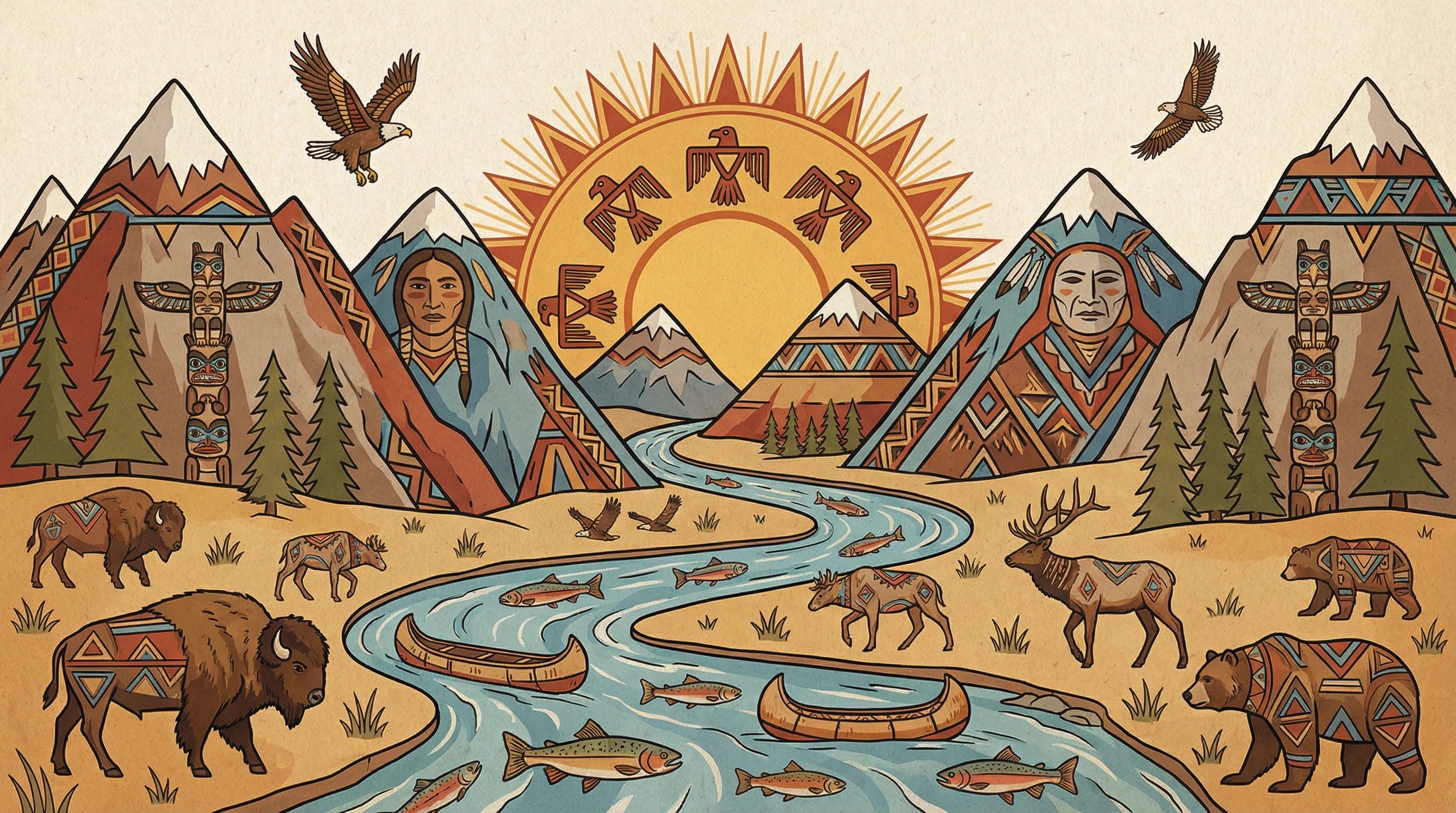
The Heart of Creation Stories in Native Traditions
Creation stories sit at the center of many American Indian cultures. They don’t just answer “where do we come from?”; they highlight values, relationships, and responsibilities. When stories are told, they teach lessons about living in harmony with nature, respecting others, and appreciating the balance between all things.
Most tribes have their own versions, shaped by their landscape and history. For example, stories from the Southwest might feature deserts and mesas, while those from the Pacific Northwest bring in deep forests and the vast ocean. Some tribes have several creation stories, each told for different purposes or in different settings. These stories aren’t just “myths” in the common sense—they’re living traditions, still meaningful today for many Native peoples.
Stories from the Iroquois: Sky Woman and Turtle Island
One well-known creation story comes from the Haudenosaunee or Iroquois people in the Northeastern United States and Canada. In their tradition, the world began when Sky Woman fell from a hole in the sky world. As she fell, birds caught her and brought her onto the back of a giant turtle. Animals dove to the bottom of the ocean to gather mud, which was placed on the turtle’s back and expanded into the land now called Turtle Island, which many Iroquois identify as North America.
This story highlights teamwork, gratitude to animals, and the close connection between water, earth, and all living things. Even the turtle, a gentle creature, becomes central to the story. It’s a reminder to respect the smallest beings.
Southwest Stories: Hopi Emergence and the Sipapu
In the arid Southwest, the Hopi people share a creation story that deals with emergence from previous worlds. According to tradition, people lived in earlier worlds beneath the surface, but because of chaos and disharmony, they needed to move on. The spirits, called Kachinas, guided people through a small hole, called Sipapu, from the underworld into the current world. The Sipapu can still be seen today in Hopi ceremonial chambers, signifying that connection between the worlds.
For the Hopi, creation isn’t a one-time event. Their story teaches about cycles, transformation, and striving to live a balanced life. It also highlights how spiritual guidance and community help bring people into safer, more harmonious spaces.
Pawnee Stars and the Path of Creation
The Pawnee tribe from the Great Plains region look up to the night sky for their creation story. Pawnee tradition says the stars themselves were placed carefully in the sky by the Creator. The Evening Star, a female figure, and the Morning Star, a male figure, played a big part in shaping the earth. Their stories reflect how the cosmos is filled with life and order. The relationship between sky and earth is super important here, and Pawnee ceremonies still honor these star spirits today.
Creation stories like this give a sense of connectedness with the universe, encouraging respect for the cycles of nature and the sky above.
Ojibwe: Nanabozho and the Great Flood
The Ojibwe, from the Great Lakes area, tell the story of Nanabozho, a trickster and cultural hero. When a great flood covered the earth, Nanabozho survived with a group of animals. Like in the Iroquois story, animals again play vital roles. The muskrat finally succeeds in bringing up soil, which Nanabozho uses to remake land. This speaks to patience, resilience, and working together as a community.
Many Ojibwe continue to honor this story in ceremonies that include offerings to animals and the elements, keeping alive gratitude for the natural world.
Pacific Northwest: Raven Brings the Light
Tribes along the Pacific Northwest coast, like the Tlingit and Haida, give a starring role to Raven. In these stories, Raven is both a creator and a trickster. He stole the sun, moon, and stars from a powerful being who kept them hidden away, then set them free so everyone might benefit from their light. Raven’s actions often mix cleverness, humor, and a bit of mischief.
Creation stories with Raven show the balance between playfulness and intention, solving problems and improving life in surprising ways. Animals aren’t simply side characters; they act as guides, helpers, and sometimes the heroes themselves.
Common Themes Across Creation Stories
- Connection to Nature: Many stories place animals, plants, and landscapes at the heart of creation. These relationships remind people to respect and protect the world around them.
- Community and Cooperation: The characters in these stories, whether human, animal, or spirit, often work together toward a shared goal, showing the importance of unity.
- Cycles and Renewal: Instead of life starting only once, creation keeps happening. Emerging from past worlds, facing floods, or restoring balance are all part of these cycles.
- Teaching by Storytelling: These tales aren’t just for entertainment. They pass down wisdom, warn against pride, and show the rewards of kindness, patience, and understanding.
How Creation Stories Are Kept Alive
Even with the impacts of colonization and change, creation stories remain a vibrant part of many Native peoples’ lives. Oral storytelling, ceremonies, art, and language are all ways these traditions stay strong. Some families tell parts of their creation story each year at certain times or during community gatherings. Others create new art, dances, or songs to keep the stories relevant for younger generations.
For many, creation stories are tied to specific places; certain rivers, mountains, or caves still carry the memory of these stories. Caring for these places means protecting not just physical land, but cultural identity as well. This deep connection often inspires Native communities to defend sacred places and support the health of their environment, since these natural spaces are living reminders of their people’s beginnings and values.
Tips for Learning About and Honoring Creation Stories
- Listen to Community Members: When possible, learn directly from Native storytellers or tribal resources. Each tribe has its own unique perspective and traditions. Attending public talks or cultural events can give you additional insight and respect for how stories are told in different settings.
- Avoid Making Assumptions: Different tribes, even those close together, often have very different stories and understandings. Be open to learning, and don’t be afraid to ask respectful questions if you have the chance to talk with someone knowledgeable about their culture.
- Respect Sacredness: Some parts of stories are meant only for certain settings. Not all details get shared outside the tribe. Respect those boundaries and recognize that stories are living treasures. If you are told part of a story is private or sacred, accept it with understanding.
- Explore Authentic Resources: Books written by Native authors, museum exhibits, and tribal websites often provide trustworthy background and context. Seek out published interviews or recordings of storytellers so you can hear the rhythm and heart in their storytelling style.
- Support Cultural Projects: Many Native groups have initiatives for preserving and retelling their stories. Supporting these helps keep traditions alive. Donations, visiting cultural centers, or buying authentic art and books all go a long way toward helping these important traditions continue for future generations.
Frequently Asked Questions
Question: Why do American Indian creation stories often involve animals?
Answer: Animals play a huge role in many Native traditions, serving as helpers, guides, or creators. These relationships show the respect Native peoples have for non-human life and remind us that humans aren’t separate from nature.
Question: Do all tribes have the same creation story?
Answer: Not at all. Each tribe tells its creation in ways that match their environment, language, and beliefs. Even within a single group, different versions might be shared depending on the family, season, or setting.
Question: Are these stories still relevant today?
Answer: Absolutely. For many Native people, creation stories are not only a source of cultural pride but also guidance for living with respect, responsibility, and hope. New generations still hear and create their own art and retellings to keep these stories alive and meaningful in today’s world.
Exploring More American Indian Traditions
Creation stories are just one part of the super detailed cultural heritage found in American Indian communities. From seasonal festivals to clan histories and language revitalization, there’s always more to learn and appreciate. Many museums, cultural centers, and tribal websites offer ways to jump into these traditions firsthand. If you’re ever invited to a storytelling event or ceremony, bringing an open mind and a respectful attitude is the best way to connect with these meaningful, living stories. Remember to appreciate the depth, history, and ongoing strength of Native cultures as you track down and learn about their many traditions.