
Native American symbols appear in some really surprising places, especially throughout modern art. I’m talking about the bold geometric patterns, animal figures, and meaning-packed signs that often get woven into artworks, fashion, or even street murals you might spot in a busy city. It’s fascinating how something so rooted in tradition keeps being remixed by new generations. In this article, we’ll check out how these symbols continue to shape art today, why they resonate so strongly, and what you should know if you want to use or spot these motifs in your own creative world.
Understanding Native American Symbols and Their Meanings
Native American symbols are packed with meaning. They’re more than just drawings; most have stories or teachings that go back centuries. Symbols like the Thunderbird, arrowheads, and spirals aren’t just decorative. The Thunderbird is usually seen as a sign of power and protection, while the spiral can stand for adventures or cycles of life. The dreamcatcher, probably one of the most well-known symbols, is thought of as a shield against bad dreams. Many of these symbols change in style from tribe to tribe, but the heart of the meaning stays the same.
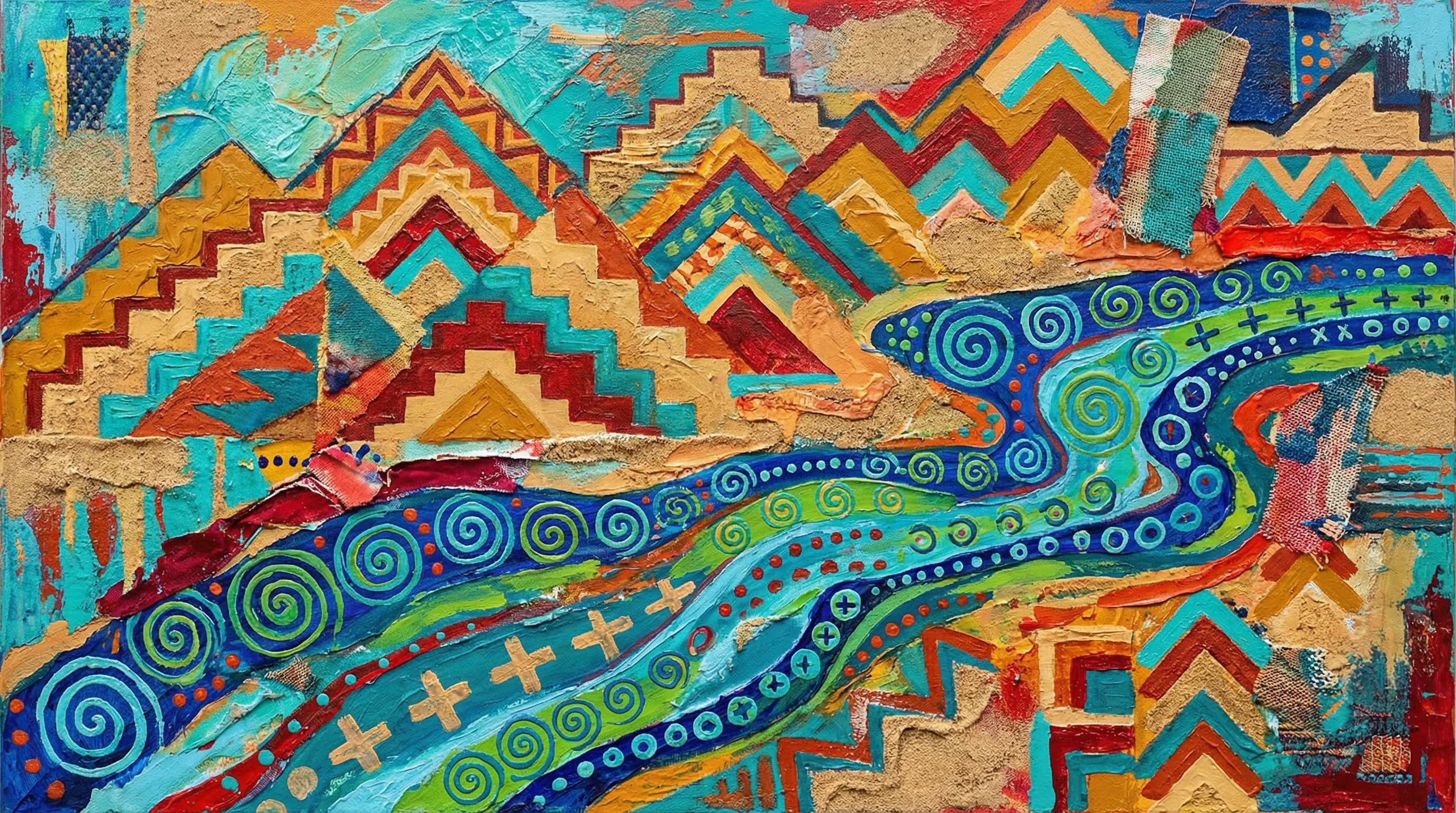
Patterns and motifs are a big part of this symbol style, too. You’ll often see zigzags, triangles, and diamonds. These aren’t just visually eye-catching—they capture natural elements like rivers, mountains, stars, and animals. Every pattern might reference a specific legend or worldview, or even serve as a diary for important events.
Each tribe across North America has its own special symbols. For example, in Southwest cultures, patterns with stepped designs reflect the landscape or tell stories about rain and growth. In the Pacific Northwest, animal images—especially bears, eagles, and whales—are often shown as part of totems with their own tales. No matter the region, what brings these symbols together is their deep roots in oral history, stories, and shared experience.
Why Modern Artists Are Drawn to Native American Symbols
There’s something about the timeless look of Native American art that seems to fit modern settings perfectly. Whether it’s in a painting, jewelry, or on a mural, these symbols offer both a strong identity and a visual punch. Many contemporary artists tap into Native American imagery because it pulls in themes like connection to the land, honoring ancestors, and the idea that we’re part of a bigger story. These motifs can make modern artworks feel grounded and give them extra depth.
From my own experiences, weaving a symbol into a print or taking inspiration from animal figures can immediately add multiple layers of meaning. That may be why you often see these motifs show up not only in galleries, but also in tattoos, clothing lines, and even home decor.
There’s a real appeal to the color choices and shapes too. Bold stripes, diamonds, and nature-inspired elements let artists play around with contrast and balance, making each work feel next-level cool. The style opens the door to creativity, whether blended subtly or as a show-stopping feature.
Ways Native American Symbols Show Up in Modern Art
Native American influences are everywhere in today’s art world, both in subtle and bold ways. Check out some common places you’ll notice them:
- Abstract Painting: Modern painters often riff off traditional patterns, exploring them with different colors, sizes, or by mixing with their own themes.
- Street Art and Murals: Across big cities in North America, public art installations regularly showcase stylized owls, bears, geometric borders, or nature scenes with clear Native inspiration.
- Graphic Design: Artists might pull in arrow motifs, feathers, or beadwork-inspired layouts for branding, posters, or music album covers.
- Fashion: From embroidered jackets to patterned scarves and stylish sneakers, you’ll find Native American-inspired designs. When creators reach out to Indigenous artists for collaboration, these pieces shine as tributes to long-standing creative traditions.
- Ceramics and Sculpture: Contemporary ceramicists and sculptors give a boost to tribal traditions, reshaping familiar designs in fresh, surprising ways.
I’ve personally seen jewelry shaped as classic animal icons, and paintings with bold color blocks that clearly echo famous Navajo textile patterns. Even handmade hats or bags often borrow from these motifs.
Key Things to Know About Using Native American Symbols
If you’re an artist interested in Native American symbols, it’s important to tread thoughtfully. Many communities have faced exploitation of their art and traditions in the past. Not all Native symbols are available for everyone to use—some are sacred or restricted. Others are more open, but still deserve respect and understanding. Even patterns that look simple sometimes carry a lot of meaning that might not be obvious at first glance.
I suggest digging into the background of a symbol before using it, and—when possible—connecting with Native artists or cultural groups. There are Indigenous-led workshops, websites, and books that break down the significance and share best practices. Responsibly created art helps celebrate and preserve these rich traditions.
Also, showing proper credit and getting involved with community events or collaborations can be a meaningful way to say thank you and share profits or recognition with those who created these traditions in the first place.
Examples of Modern Artists Blending Native Symbols
Lots of Indigenous and non-Indigenous contemporary artists have created amazing combinations using Native American motifs. Jaune Quick-to-See Smith draws on tribal patterns, maps, and modern symbols to make art about identity and history. Jeffrey Gibson mixes bold slogans, beadwork-inspired patterns, and powwow regalia, setting free a clash of color and tradition. The results are both original and rooted in heritage.
Tammy Garcia works in ceramics, shaping traditional Pueblo pots with a modern twist. Meanwhile, some tattoo artists—especially those with Native heritage—refresh classic symbols with contemporary ink styles. In public spaces, murals by Native artists often merge age-old motifs with modern tools like spray paint or digital projection, making sure these symbols keep evolving.
One exciting example is the Native Arts and Cultures Foundation, where diverse artists join forces to bring heritage alive in 21st-century projects. These works often reach new audiences and get the community involved in creative conversations.
Challenges and Considerations for Artists
Merging traditional symbolism with modern art is deeply rewarding, but there are hurdles to think through:
- Misunderstanding: If a viewer doesn’t know the background, important symbols might get glossed over or their true story lost.
- Staying True: It can be tough to balance your own style while being respectful of traditions. Consulting with elders or seeking expert advice is often a good move, especially when considering sacred imagery.
- Legal and Ethical Use: Some patterns and images belong to specific groups and may be protected. When in doubt, reach out to tribal authorities or search for artist guidelines regarding the motif in question.
- Fine Line Between Appreciation and Appropriation: Crediting sources, paying artists, and learning about the context helps keep your work respectful and responsible.
Respectful Partnerships
Teaming up with Native artists or organizations can open new creative doors for everyone. These partnerships make way for authentic and engaging art and often help support the tribes and artists who inspired the original works. I’ve seen collaborations between museums, local tribes, and schools grow into public installations that really shine a light on community stories.
Symbols With Universal Appeal
Certain Native American symbols connect with people everywhere. For instance, the butterfly, which stands for change and hope, pops up in lots of environmental and activist art. The bear, a figure of strength and healing, is often used in works about resilience, recovery, or personal growth. The handprint, which has shown up in cave paintings and ceramics for ages, now serves as a symbol of solidarity or protest in murals worldwide. These timeless meanings keep resonating and make art powerful far beyond its cultural roots.
Modern Art Applications: Where You’ll Spot These Influences
- Interior Design: Wall hangings, rugs, and textiles often showcase Native-inspired patterns, especially in current minimalist or boho styles. These subtle touches bring history into everyday life.
- Streetwear: Urban clothing brands sometimes invite Native designers to create limited-edition pieces, offering recognition and fair compensation for original patterns.
- Tech and Media: From digital backgrounds to movie visuals, Native motifs can highlight themes of heritage and our bond with nature. Some video games and websites incorporate these visuals thoughtfully for education and atmosphere.
Keep an eye out for these designs on TV, in online ads, or scrolling through your social feeds. This mix of old wisdom and new methods keeps modern visual culture feeling fresh and meaningful.
Frequently Asked Questions
Here are answers to a few common questions about Native American symbols in today’s art world:
Question: Can anyone use Native American symbols in their art?
Answer: While some motifs are open to interpretation, others are either sacred or protected under tribal law. It’s always a smart move to research a symbol’s origin and, when possible, ask Native artists or groups about using it respectfully.
Question: How can artists avoid cultural appropriation?
Answer: To stay respectful, always credit the source, be open about what inspired you, involve Indigenous voices when you can, and spend time learning the deep significance of every symbol you choose to use.
Question: What are good resources to learn more about Native American art?
Answer: Museums with Indigenous collections, official tribal sites, and books by Native authors are awesome for deeper learning. Workshops or talks led by Native artists are also well worth your time.
Wrapping Up
Native American symbols add a real sense of story, heritage, and spirit to modern art. By appreciating the roots and using these images in a thoughtful way, artists can help keep traditions alive and set the stage for new kinds of creative expression. Whether you’re admiring a mural, finding patterns for your own arts and crafts, or decorating your space, knowing the story behind the symbols makes your experience richer and more meaningful. The blend of past and present in these motifs connects us all to a bigger adventure.