
Bringing Native American symbols into modern designs can give a sense of depth and history, but it really calls for thoughtful attention and respect. These symbols often hold deep spiritual and cultural meaning for tribes across North America. Including them in projects, whether that’s graphic design, fashion, or home decor, means being mindful of their origins and importance. Here’s how I go about respectfully weaving Native American symbols into my design work, sharing insights that keep creativity and cultural appreciation balanced.
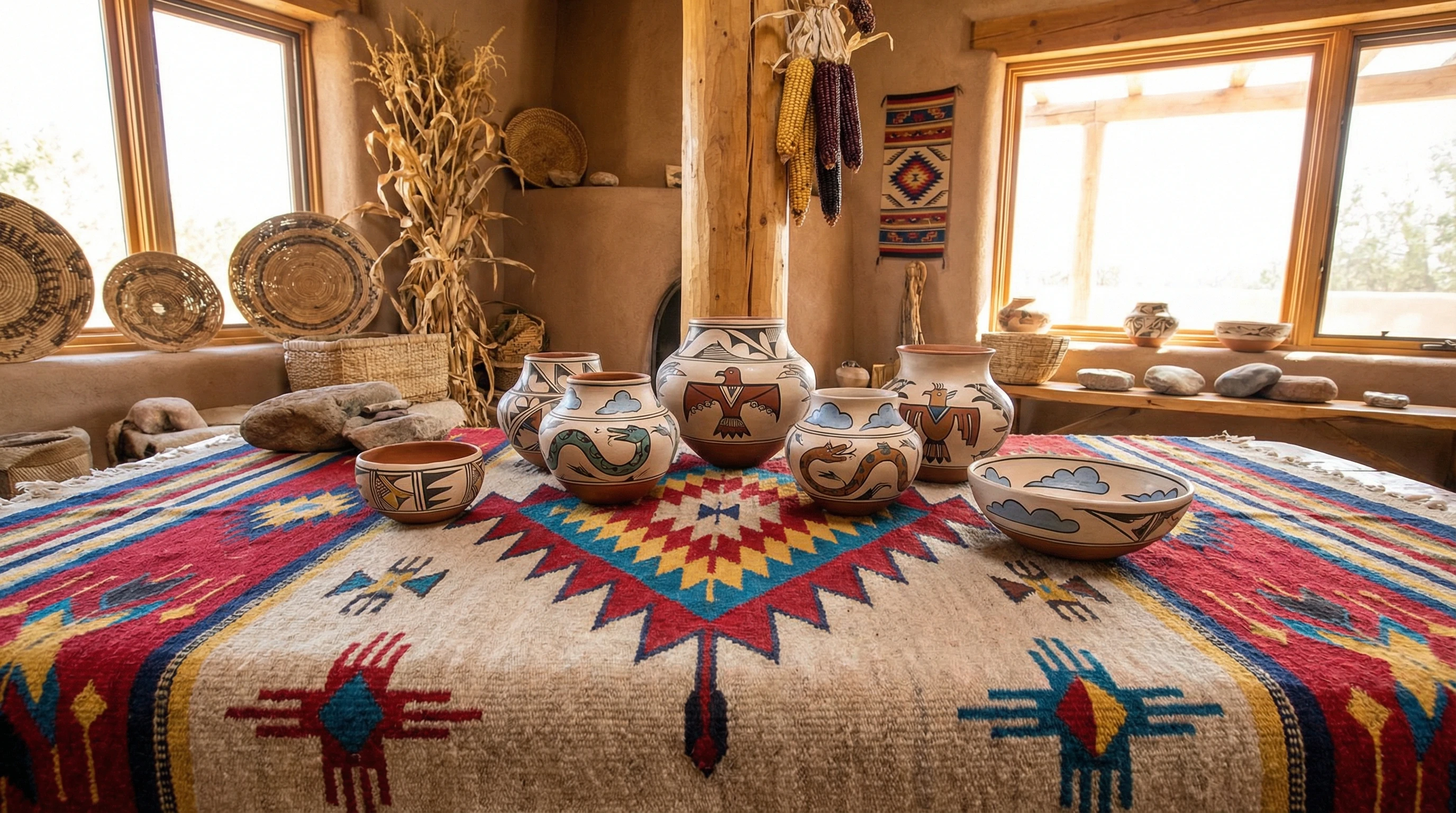
Understanding the Meaning Behind Native American Symbols
Native American symbols aren’t just pretty patterns. Each one often tells a story, marks a historic event, or represents spiritual beliefs. For example, the turtle can stand for long life and endurance, while the arrow might represent protection or direction. These meanings can switch from one tribe to another, so I always take time to learn the specific context for any symbol I’m thinking of using.
Many Native groups have symbols that are recognized across the continent, but a symbol’s details or its significance can be private or sacred. If you ever see a particularly intricate pattern or motif, there’s a chance it’s reserved for ceremonies or holds meaning only for members of a specific tribe. It’s smart to dig into the background to truly understand its importance.
Why Cultural Sensitivity Matters in Design
Cultural sensitivity isn’t just about avoiding stereotypes. Native American communities have faced generations of cultural erasure and misrepresentation. Careless use of sacred symbols can hurt feelings or even break tribal laws. I always ask myself if my project is truly the right space for these symbols, and if I need to seek permission or guidance from tribal members.
This care builds trust, honors traditions, and helps me steer clear of accidental cultural appropriation. It’s important to bring authentic value and not just use Native imagery for trendiness or shock value.
Key Steps for Respectfully Incorporating Native American Symbols
When I work on a design using Native American elements, there’s a simple process I stick to that helps keep my intentions in check and my work respectful:
- Research Deeply: I always start with research, not just a quick image search, but reliable books, academic sites, and resources from Native organizations. This helps me get the full story behind the symbol or motif.
- Ask for Permission: If I’m using a symbol belonging to a tribe (or even inspired by one), reaching out to tribal representatives is super important. They can share whether it’s suitable for my intended use.
- Prioritize Education: I’m upfront about where a symbol comes from, either through a note in the design’s description or by crediting tribes and artists. This makes sure I’m not erasing context.
- Work with Native Artists: If I get the chance, hiring a Native American artist or teaming up with someone who’s part of the culture adds authenticity and supports Indigenous creators directly.
Common Challenges and How to Find Your Way Through Them
There are stumbling blocks that come up often for designers, brands, or anyone looking to feature Native imagery. Here’s how I handle some of the common ones:
- Not All Symbols Are Meant for Public Use: Some patterns show up only during sacred ceremonies or are tied to specific family histories. If there’s doubt, I skip using those symbols instead of risking disrespect.
- Avoiding Stereotypes: Some images (like war bonnets or tomahawks) get overused and often misrepresent tribes. I ditch any cliche imagery and focus on what’s meaningful and informed by research.
- Mixing Tribes and Styles: Native American cultures are diverse, with hundreds of tribes, each having distinct art forms. I make sure I’m not blending symbols from different tribes into one design to avoid misrepresenting a culture’s unique identity.
Working with Authenticity (and When to Step Aside)
If a symbol isn’t well-documented or doesn’t resonate with my own story, I take that as a sign to try something different. There’s no shame in quietly setting an idea aside if it could cross cultural boundaries or cause offense.
Practical Tips for Ethical Design with Native American Symbols
Here’s my go-to checklist when planning or reviewing a project that draws from Native American heritage:
- Start With Reliable Sources: Museums, tribal official websites, and Nativ-erun nonprofits are great starting points. Checking out resources like the National Museum of the American Indian or websites maintained by Native artists themselves usually gives clear, solid info.
- Give Credit Every Time: I make it a habit to include a credit line or source note for every Native American inspired element in my work, whether it’s published online, in print, or on a product.
- Support Indigenous Businesses: If possible, I buy materials or elements directly from Native makers. Even patterned fabrics, beadwork, or prints should come from Native-owned businesses when possible.
- Share What You Learn: Whenever I talk about my work, I bring up why and how I use Native American designs, sharing details to help others understand these symbols matter beyond just the visuals.
If you’re ever unsure, many Native organizations have resources or contact points where you can ask for advice. Open, honest questions are a sign of respect, and taking a little more time to get it right always pays off in the end.
Examples of Respectful Native American Symbol Use
Responsible design projects take many forms, but all share a strong thread of transparency, collaboration, and respect. These examples show how it’s done right:
- Collaborative Fashion Lines: Clothing brands sometimes partner directly with Native designers to ensure everything, from motifs to marketing materials, shows off traditions with dignity and context.
- Museum or Educational Projects: Exhibits that feature Native symbols often do so by working closely with tribal officials and artists, sometimes even letting the community itself produce displays and objects.
- Community Art Initiatives: Public murals or art installations often get local Native artists involved from step one, making sure their visions take center stage.
Extra Things to Keep In Mind
Several points really stand out when working respectfully with Native American imagery:
- Be Willing to Listen: Feedback from Native communities or artists is invaluable. If someone says a symbol or pattern is off limits, I always respect that and switch directions.
- Educate Your Audience: Building context into your project, like a website blurb or signage, adds value and helps people see past stereotypes.
- Stay Openminded: Sometimes the best way to honor a culture is not to use a symbol at all, but to support or spotlight Native creators in your space instead.
Frequently Asked Questions
I see a lot of good questions about using Native American symbols in design work, so here’s what comes up most often:
Can I use any Native American symbol if I like how it looks?
It’s really important not to use a symbol just because it’s popular or visually appealing. Careful research can reveal if that symbol is tightly connected to specific beliefs, events, or families. If you aren’t sure, connecting with tribal sources helps you make a respectful decision.
What’s the difference between appreciating and appropriating Native American culture in design?
Appreciation includes recognizing the source, working with Native peoples, and making sure your design gives a boost to a culture rather than misusing it. Appropriation tends to ignore these steps, taking meaning out of context or using symbols in a way that’s disrespectful or just for profit.
How can I make sure my work is respectful?
Focus on learning about the symbols you use, ask for guidance, credit your sources, and team up or consult with Native artists. Being open and transparent in your design narrative also helps build trust.
Wrapping Up
Including Native American symbols in your designs is a way to celebrate culture and history when done carefully and thoughtfully. With solid research, true collaboration, and a willingness to learn, you can make your work not just eye-catching, but meaningful to everyone who sees it, including those whose heritage you honor.
Taking these steps means you’re not only building more thoughtful designs but also setting an example for clients, colleagues, and anyone else looking to do creative work the right way. Keep exploring, stay curious, and always put respect first when bringing cultural elements into your creative world.