
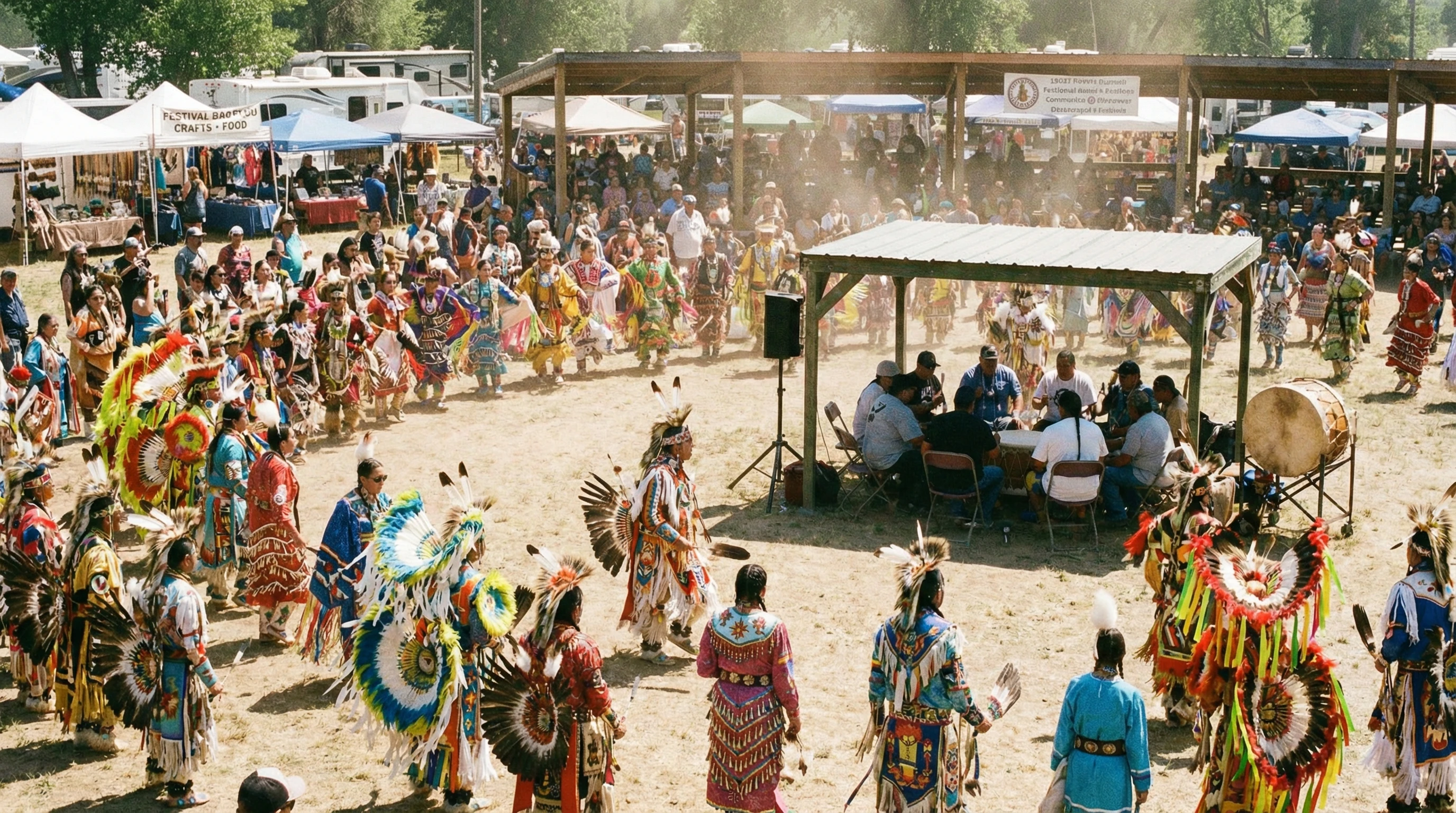
Powwows are some of the most vibrant celebrations in North America, bringing together Indigenous communities and anyone who wants to experience culture, tradition, and hospitality at their liveliest. I always tell people that attending a major powwow is far more than just watching dance and song. It’s a full day packed with history, community, food, and some of the friendliest energy you’ll ever feel. Curious about where to find some of the biggest and best? Here’s my rundown of major powwows across the United States you might want to check out.
What Makes Powwows So Special?
Powwows bring together dancers, drum groups, artists, and visitors from all around the country. Even if you’re not Indigenous, you’ll find a warm welcome along with plenty of learning opportunities. It’s not just a festival. It’s a gathering that honors every generation, from the little ones in tiny beadwork moccasins to respected Elders who pass on traditional teachings.
Each powwow is unique, but there are some common elements you’ll likely experience. There’s always drumming (it really fills up the entire arena with energy), vibrant outfits called regalia, and delicious food like frybread and stew. You’ll also find artisans selling everything from beadwork to paintings. At their core, powwows honor resilience, survival, and joy. Every time I go, I feel a renewed respect for Indigenous cultures and communities.
Major Powwows in the United States: Events Worth Experiencing
Some powwows have grown to massive size, attracting thousands of dancers and even more spectators. Here are some of the biggest and most celebrated gatherings you’ll find across the U.S., each with its own character and legacy.
- Gathering of Nations (Albuquerque, NM): This is probably the most famous powwow in the world. Drawing in over 3,000 dancers and dozens of drum groups each April, organizers call it the biggest event of its kind. I love the sheer variety here. You’ll see Traditional, Fancy, Grass, and Jingle dress dancers, plus a ton of food booths, artists, and an energetic Miss Indian World pageant.
- United National Indian Tribal Youth (UNITY) Pow Wow (Varies): UNITY often holds powwows in different parts of the country. The focus here is on youth empowerment and leadership, making it especially meaningful for younger generations to connect and express themselves. These events help step up confidence and build lasting friendships.
- Denver March Powwow (Denver, CO): Usually held in spring, the Denver March Powwow is open to all tribes and draws participants from across North America. One thing I really appreciate is their focus on family and community, plus some pretty awesome intertribal dancing. Drum groups here also set the bar high, making each Grand Entry unforgettable.
- Red Earth Festival (Oklahoma City, OK): Red Earth is both a powwow and a huge Native American art festival. It features dancers from over 100 tribes and is held each summer. In addition to the dance contests, you’ll get to browse art, jewelry, and hear Native storytellers share traditional wisdom.
- Standing Bear Powwow (Ponca City, OK): Held each September, this powwow honors Standing Bear, a Ponca chief and civil rights icon. There’s a special emphasis on Ponca traditions and local history, but everyone is welcome and it’s a powerful way to learn about the area’s Indigenous heritage. Community meals and social dances round out the experience.
- Manito Ahbee Festival (Minneapolis, MN): While the festival sometimes switches locations, its powwow is one of the top in the Midwest. You’ll see expert dance competitions and lots of cultural workshops, which are really helpful if you’re new to powwows. Don’t miss the marketplace, where artists display incredible crafts and beadwork.
- Cowlitz Indian Tribe Pow Wow (Longview, WA): The Cowlitz invite everyone to their annual gathering, which stands out for its stunning Northwest regalia styles and some cool salmon feasts thrown in. Many visitors say the sense of community here is especially welcoming, and first-timers are encouraged to ask questions and learn.
- Gathering at the Falls Powwow (Spokane, WA): This one takes place along the beautiful Spokane River and mixes traditional competition dancing with plenty of food and craft vendors. The setting is gorgeous. It’s perfect for anyone wanting both culture and scenery, especially as sunsets add a special feeling to the evening social dances.
Getting Ready for a Powwow Visit
There are a few things that can help you make the most out of your powwow experience, whether you’re a first-timer or a regular. Here are some tips and customs to keep in mind for a smooth visit:
- Respect the Arena: The dance circle is for registered dancers only. You’ll want to stand when the MC asks and always follow their directions—it’s super important for everyone’s safety and shows respect for the traditions happening in the arena. It’s also a good idea to be quiet during prayer songs or honor songs, since these moments are deeply meaningful.
- Photography: Ask before taking pictures, especially up close or of individuals. Some moments, like honor songs or specific ceremonies, are personal and not for photos. Respect the request if signs or the MC say not to take pictures at certain points.
- Food and Vendors: Arrive hungry! Try staples like frybread tacos, bison burgers, or corn soup. It’s also a great place to find traditional crafts as souvenirs or gifts. Supporting local creators is one of the best ways to show you appreciate the culture you’re being invited into.
- Outfit: Dress comfortably but modestly. Powwows often run all day, so think layers, sunscreen, and maybe a hat. Comfortable shoes are a must, especially if you plan to walk between event areas or spend time browsing the vendor booths and art displays.
A Closer Look: Dance Styles and Drum Groups
One of my favorite parts of any powwow is watching the variety of dance styles. Each one has a backstory and unique steps, clothing, and music.
- Men’s Traditional: This dance tells a story, whether about hunting, scouting, or battle, through slow, deliberate steps. Feather bustles and eye-catching beadwork are common.
- Women’s Traditional: Most dancers move gracefully in place or take gentle steps, holding fans or shawls. Outfits often feature intricate beadwork and ribbonwork, with movements meant to reflect respect and dignity.
- Fancy Dance: Think bold colors, quick spins, and loads of energy. Both men and women have their versions. Male dancers often wear double bustles, while female Fancy Shawl dancers look almost like butterflies in flight with their swirling shawls.
- Grass Dance: Stemming from the tribes of the Plains, Grass Dance regalia has dangling yarn or ribbons that mimic moving grass. The dance itself has sweeping, bending moves and is performed close to the ground, blending strength and flexibility.
- Jingle Dress: Worn by women, these outfits have rows of metal cones that create a distinctive sound. The dance has healing origins, and dancers move with light, rhythmic footwork, often in a prayerful or meditative way.
Drum circles are just as important as the dancers, setting the rhythm and mood for each contest or exhibition. Major powwows have multiple drum groups representing different tribes and regions. The drum is called the heartbeat of the people. There’s nothing quite like the echo of a grand entry song to send energy through an entire arena. Drum groups take turns, each putting their unique flair and history into their songs.
Common Challenges and How Powwows Stay Strong
Over the years, powwows have faced plenty of challenges, including travel barriers, changes in tribal economies, and even weather disruptions. I’ve seen organizers pivot to virtual events or smaller gatherings when needed, especially in recent years. Still, the drive to keep traditions alive and welcome new visitors keeps these events moving forward.
- Accessibility: Some powwows add ramp access and offer reserved seating for Elders and people with disabilities. Efforts to make everyone comfortable grow each year.
- Transmission of Traditions: Many powwows include youth dance categories or special teaching sessions, so that the next generation can learn directly from their family and community. Youth are encouraged to ask questions and participate.
- Adaptation: When health or safety is a concern, events adjust. Virtual powwows, smaller “social” dances, or new safety measures have become more common recently, letting tradition stay strong no matter what comes up.
Why These Traditions Matter
Honoring Indigenous heritage is really important, not only for maintaining culture but for teaching all of us about respect, survival, and joy. Powwows offer a unique chance to see history in action, share food and laughter, and show support for Native artists and families. It’s a way to stand in community, even if just for an afternoon.
Event Highlights: What Visitors Love Most
I always get a thrill from grand entry, the moment when all the dancers enter the arena together to the beats of several drum groups. You can really feel the energy and pride. Besides the dancing, there’s usually:
- Contest dancing for all age groups
- Honor songs for veterans and leaders
- Hand drum competitions or tiny tots exhibitions—adorable and fun for families!
- Special giveaways and blanket dances that support community members in need
- Storytelling sessions and language lessons that help everyone learn
Vendors’ booths and food stands add another layer. It’s pretty easy to spend half your day exploring just the artists and culinary treats. Make sure to take your time at these booths to stumble upon the perfect keepsake or delicious meal.
Frequently Asked Questions About Attending Powwows
Here are a few quick answers based on what people usually ask me:
Question: Do I need an invitation to go to a powwow?
Answer: Anything advertised as a “public” or “intertribal” powwow is fully open to visitors. Private events, like family memorials, are usually marked clearly, so check ahead just in case.
Question: Can I dance if I’m not Native?
Answer: Most non-Native visitors are invited to join during intertribal dances, when the MC specifically opens the arena. For contests, it’s dancers only, and you’ll want to respect the boundaries set by organizers.
Question: What’s the best way to support powwow communities?
Answer: Buy art and food from Native vendors, tip the drum groups, and always ask questions respectfully. Sharing in a kind, thoughtful way builds relationships and supports cultural preservation.
Wrapping Up: Why Powwows are Worth Checking Out
Major powwows across the United States are lively, meaningful gatherings where everyone can learn something new, enjoy great company, and support Indigenous traditions. Showing up with genuine curiosity and respect goes a long way. Whether you’re itching to hear those drums, try some frybread, or take in stunning regalia, there’s a powwow out there waiting for you. Each visit leaves you with lasting memories and a greater sense of connection, making your adventure unforgettable.