
If you’ve ever felt music pulsing through an open field dotted with tents, you already know there’s something electric about a festival. It’s not just about the big-name headliners or massive sound systems. Some festivals put their energy into spotlighting native sounds—music deeply tied to land, tradition, and living culture. These events don’t just entertain; they invite you to listen in new ways, celebrate roots, and sometimes even join the music yourself. I want to walk you through why these gatherings are worth a special spot on your bucket list, and share some standout festivals where you can experience native sounds up close.
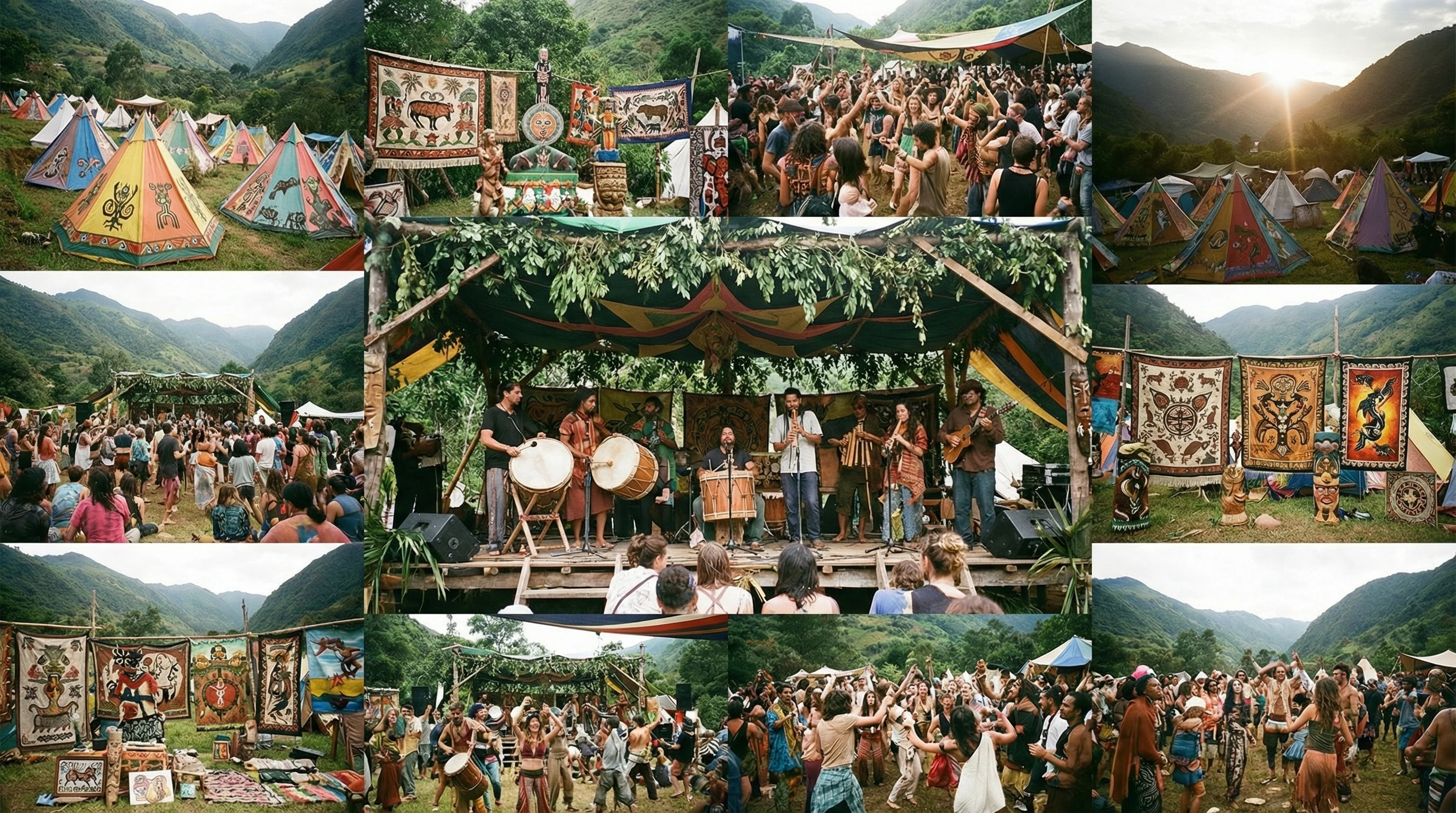
What Makes Native Sound Festivals Unique?
Music festivals centered on native sounds aren’t just another gig on the festival calendar. I’ve noticed these events usually have a really different vibe compared to massive pop or EDM fests. Here’s what sets them apart:
- Rooted in Place: The music often comes directly from the community or the land where the festival happens. Sometimes, you’ll hear songs that have been part of local life for generations.
- Storytelling at the Center: Performances usually blend music with storytelling, sometimes through song lyrics, sometimes through spoken word or traditional instruments.
- Interactive Experiences: Attendees might be invited to take part in workshops, drum circles, dance lessons, or communal meals.
- Focus on Tradition and Innovation: These festivals highlight traditional sounds, but it’s pretty common to hear how artists are remixing, updating, or collaborating across genres. There’s a living, evolving quality to the music.
At the heart, it’s about honoring heritage while making space for new voices. That’s really valuable for anyone who wants to connect more deeply to music’s roots and its future.
A Quick Look at the History and Role of These Festivals
Music has always been a big part of cultural communities and their gatherings, from powwows to village celebrations and ritual ceremonies. In the last century or so, the rise of modern music festivals has given native artists and communities new platforms.
Events devoted to native sounds showed up as a response to the need for cultural revival and sharing. Many were started by musicians or cultural activists who wanted to make sure old songs weren’t lost, and to let younger artists shine. This goal still shapes the best festivals today.
In some regions, these festivals have also become bridges, bringing together people from many backgrounds to share, listen, and celebrate together. Some musicologists point to how festivals can help preserve languages and stories that aren’t widely spoken anymore. That’s a pretty powerful impact, and one reason organizations like the Smithsonian Folkways label and the International Indigenous Music Summit highlight the importance of these kinds of festivals.
How to Get the Most from a Native Sound Festival
- Look Up the Lineup: Before you go, check which performers will be there. Learn a little about the music or traditions; you’ll enjoy the sets more if you know the backstory.
- Show Up Early: Some of my favorite moments happen before the main stage gets rolling: morning drum circles, language workshops, or storytelling sessions.
- Be Open to Participation: You’re usually invited to join in, whether that’s dancing, drumming, or learning a traditional craft. Don’t be shy; taking part adds a whole new layer of meaning.
- Support the Market: Many festivals have artisan markets, food stalls, and demo booths run by local craftspeople. It’s a good way to support the community hosting the event.
- Practice Respect: Native festivals might have different rules or cultural guidelines. Pay attention to signage about photography, recording, or entering ceremonial spaces. When in doubt, ask volunteers or organizers for guidance.
These points help you move from just watching to taking part in the experience.
Festivals Around the World: Standouts Worth Checking Out
Ready for some real-world examples? Here are a few music festivals around the globe where native traditions are front and center:
- Riddu Riđđu (Norway): An Indigenous festival set in the Arctic north, Riddu Riđđu celebrates Sámi music, art, and stories. Expect everything from joik singing to arctic electronica and workshops in reindeer lassoing.
- National Aboriginal and Torres Strait Islander Music Awards (Australia): While it’s an awards show, the lead-up and after-parties function just like a festival, complete with outdoor concerts showcasing Indigenous pop, folk, and traditional music.
- Pueblo Indian Cultural Center’s Annual Intertribal Pow Wow (USA): This is a high-energy gathering with dance contests, traditional singers, and a marketplace for artisan goods. Pueblo and other Native American artists headline.
- Festiwal Nowa Tradycja (Poland): Also called the New Tradition Festival, it brings attention to Poland’s many folk music heritages, including Tuvan throat singing, Roma music, and unique Baltic sounds.
- Dak’art Music Festival (Senegal): Celebrates traditional Senegalese music like sabar drumming and griot storytelling, along with contemporary blends.
- Festival Nacional de la Cultura Maya (Mexico): Held in the Yucatán, this festival is all about Mayan musical roots, with traditional instruments like the marimba and jaw harp.
Loads of smaller, communityled festivals are popping up in cities and rural areas everywhere from Canada to New Zealand. Some are free, others ask for small donations that support local artists directly.
Challenges and How Festivals Address Them
- Authenticity vs. Commercialization: There’s real tension between celebrating native sounds and the risks of commercializing or “packaging” them for tourists. Festival organizers who work closely with local elders and musicians tend to make respectful choices, like letting communities set guidelines and split proceeds appropriately.
- Language Preservation: With many native songs performed in endangered languages, festivals double as language labs. Some offer panels or teach-ins so listeners can pick up basic words or phrases; something I’ve found pretty cool for breaking down barriers.
- Access for Local Youth: Not all festivals are easy for young people or those from rural communities to attend. Some events now offer travel bursaries, discounted tickets, or livestreams to broaden participation.
- Weather and Resources: Outdoor festivals are often at the mercy of unpredictable weather. Some cultural groups now include contingency plans, like popup tents or backup venues, to keep things running smoothly.
Addressing these challenges keeps festivals welcoming, vibrant, and deeply rooted in local life.
Tips If You’re Planning to Visit a Festival
If you’re thinking about making a trip, here are a couple of things to make your experience smoother:
- Check if tickets are needed and buy ahead of time, as some events can sell out after lineup announcements.
- Pack for the weather; some festivals run rain or shine. Bring layers, sunscreen, and a reusable water bottle.
- Respect local customs, especially around tradition heavy performances or sacred spaces. Follow the lead of organizers and community elders.
- If you want to document your visit (photos, audio, videos), always ask for permission, especially at smaller community festivals.
Being prepared helps you move easily from audience member to respectful guest and even participant.
Cool Features You’ll Often Find at These Festivals
- Instrument Workshops: You can try out drums, flutes, and even make your own simple instruments at hands-on booths.
- Dance Participation: Some dances, like powwow intertribal dances, are open for anyone to join, with steps taught onsite.
- Traditional Food: Look for food stalls serving locally sourced, traditional snacks. I once had frybread at a Northern Plains powwow that I still crave years later.
- Artist Q&As: Many festivals bring performers to the audience for talks or Q&A sessions after mainstage sets. It’s a good way to get deeper context about the stories behind the music.
Keep an eye out for these features, since they turn a weekend of music into a full-on immersive experience.
Frequently Asked Questions About Native Sound Festivals
Curious about going deeper? Here are a few common questions I hear from folks considering their first festival:
Question: Can anyone attend these festivals, or are they only for community members?
Answer: Most festivals are open to everyone. As long as you’re respectful and follow guidelines, you’ll be welcomed. Some events may have certain ceremonies or spaces reserved for community use only, so it’s best to check the program.
Question: Will there be performances in languages I don’t understand?
Answer: Absolutely, and that’s part of the rich appeal. Some festivals offer translation or introductions, but even when you can’t understand every word, the emotion comes through.
Question: What should I bring to my first festival?
Answer: A sense of curiosity, openness to new experiences, comfy layers, water, and maybe a small notebook to jot down artists or songs you stumble upon.
Why I Keep Returning to Native Sound Festivals
There’s a vibe at native sound music festivals that’s hard to put into words. You’re not just attending a show; you’re joining a living cycle of sharing, learning, and celebrating what makes each place and people special. Whether you’re there to hear new rhythms, try dance steps, or just enjoy the food and sunshine, it’s an experience that feels both fresh and profoundly grounded. I’d say it’s really worth adding a native sound festival to your music adventure list. You’ll walk away not just with new playlists, but with stories and connections you won’t find anywhere else. On top of all that, you might even get the chance to forge new friendships, learn skills you never expected, or see firsthand how music can bring communities together. Each festival trip becomes its own little adventure, letting you jump into new musical worlds and come home with memories that stick around far longer than any other festival’s t-shirt.