
Native American languages hold a deep connection to cultural identity, history, and community. These languages carry stories, songs, teachings, and wisdom that have been passed down through generations. But right now, many Indigenous languages in the United States and Canada are at risk of fading out, making efforts around preservation and revival more important than ever. In this article, I’m sharing what’s happening with Native language preservation, why it matters, and the creative and practical steps being taken to keep things alive for future generations.
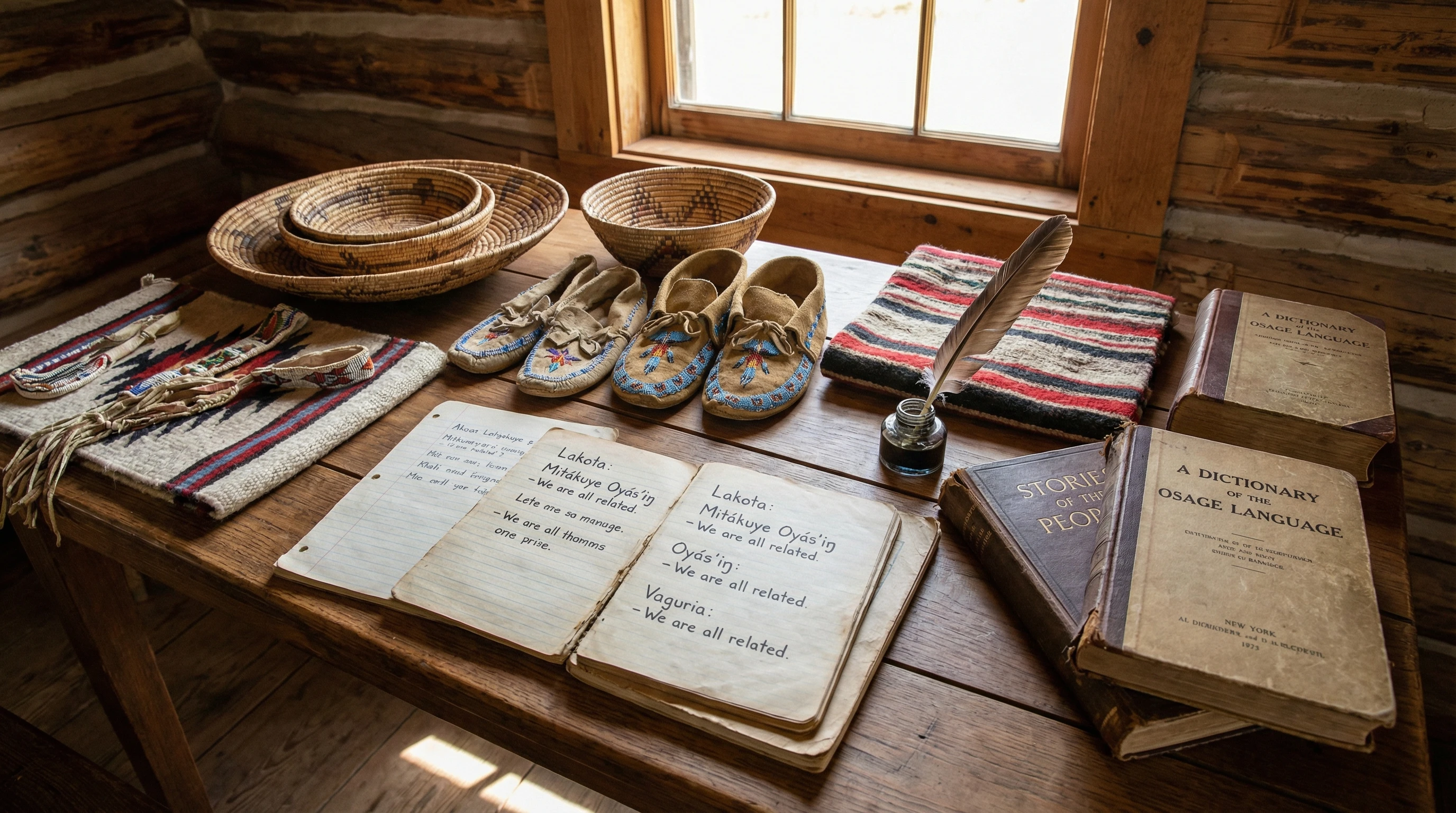
Understanding Native American Language Loss
At one time, there were hundreds of distinct Native American languages spoken across North America. Some estimates say around 300 languages were used before European colonization. Today, far fewer are spoken fluently, and most are labeled as endangered. So, how did things change so dramatically?
Colonization meant forced relocation, boarding schools, and policies designed to assimilate Indigenous people into Euro-American culture. Laws like the 19th-century Indian Civilization Act funded schools that made children speak only English. These actions led to an interruption in language transmission from elders to new generations. The lasting impact is clear; as Elders who grew up fluent pass away, many traditional languages face the risk of disappearing entirely.
UNESCO lists many Indigenous languages in North America as endangered, and organizations like the First Peoples’ Cultural Council track language use, showing that most have fewer than 1,000 fluent speakers. The situation is urgent, but far from hopeless. Many individuals and organizations are putting tons of energy into preserving what remains and helping younger generations reclaim their heritage.
Challenges Facing Language Revitalization
Reviving a language isn’t as simple as picking up a dictionary or app. Most Native American languages don’t have a big base of fluent speakers or a massive amount of recorded audio, written documents, or teaching materials. That shortage means every bit of knowledge left is incredibly valuable, but it also makes creating new resources tricky. Some other tough spots include:
- Generational Gaps: Sometimes Elders are the only fluent speakers, and young community members might not have the context or time to learn the language in daily life.
- Limited Funding: Many tribal language programs operate on small budgets and have to be creative with materials and outreach.
- Community Urbanization: When families move to cities, it can be harder to immerse kids in the language and culture.
- Stigma and Trauma: Some families faced harsh penalties in the past for speaking their own language, so switching attitudes and building pride again takes time and care.
How Communities Are Keeping Languages Alive
Despite the challenges, Native American communities are finding new ways to reclaim and teach their languages. So, here are some cool features of these efforts that I think you’ll really like:
- Language Immersion Programs: Some tribes, like the Cherokee and the Hawai‘ian community, run language immersion schools where lessons, everything from math to science to art, are taught exclusively in the tribal language.
- Master-Apprentice Programs: This is where a fluent Elder is paired with a younger learner for intensive one-on-one language sessions. Over weeks or months, the apprentice learns vocabulary, conversation, and cultural context directly from a trusted source.
- Community Classes and Workshops: From weekend meetups in community centers to regular online classes, these efforts reach a wide range of ages and experience levels. Some sessions are even recorded so folks can revisit them later.
One of my favorite examples is the Wôpanâak Language Reclamation Project in Massachusetts, which has rebuilt an entire language that hadn’t been spoken for generations, thanks to historical documents, tribal memories, and creative teaching methods.
Tech Tools Fueling Language Revival
Technology is playing a bigger part in language revitalization every year. With smartphones, laptops, and the internet, it’s way easier to connect language enthusiasts across distances, store valuable audio and video, and create engaging lessons. Here’s how tech fits in:
- Language Apps and Online Courses: Apps like Duolingo, Rosetta Stone, and Indigenous-specific ones (like Ojibwe’s free online dictionaries and the Navajo Language App) help people start learning sounds, words, and grammar from anywhere.
- Audio and Video Archives: Converting old recordings, stories, and songs into digital files means they’re protected from being lost to time and can be shared with younger generations. Initiatives like the Endangered Languages Project act as open archives for anyone to browse.
- Social media and Podcasts: Platforms like YouTube, TikTok, and social audio groups let Native speakers share lessons, stories, and songs. Sometimes you’ll even find community “language challenge” hashtags that build excitement around learning.
What Makes Language Preservation So Valuable?
Saving Native languages is about more than just words; it’s about keeping traditional knowledge alive. Here are some reasons why people really care about these efforts:
- Cultural Identity: Language is a cornerstone of identity. Speaking and understanding an ancestral language builds pride and a sense of belonging in kids and adults alike.
- Traditional Knowledge: Many teachings about the land, food, sky, and customs are better explained or only make sense in the original language.
- Mental and Emotional Health: Research by organizations such as the First Nations Health Authority in British Columbia shows that strong language skills can improve self-esteem and resilience, especially in youth.
- Community Connections: When people learn together, it strengthens intergenerational bonds. Elders get to pass on wisdom, while younger people keep traditions alive and evolving.
Common Hurdles and How People Tackle Them
Revival isn’t without some bumps in the road. Here are a few challenges communities face, along with ways that groups are working to overcome them:
- Shortage of Teachers: Training community language teachers and encouraging more young people to become instructors makes a difference. Even apprentice teaching models can help fill gaps.
- Creating Learning Materials: Collaborations between linguists and Native speakers help create new textbooks, lesson plans, and children’s storybooks specific to each language and dialect.
- Funding: Some tribes access government or private grants. Grassroots fundraising, like community events or online campaigns, also supports local projects.
- Motivation: Fun events like “language bowls” (think spelling bees in the tribal language) and social media contests keep learning exciting and bring people together.
Modern Success Stories
I’ve seen some really eye-catching success stories come out of language revitalization work:
- The Cherokee Language: The Cherokee Nation operates an immersion school in Oklahoma with children gaining fluency. Over time, some graduates have gone on to teach the next classes, creating a cycle of growth.
- Wôpanâak Reclamation: The Wampanoag community, through intense study and collaboration, now has young and adult speakers after reviving a language once considered “dormant.”
- Ojibwe and Navajo Apps: User-friendly language learning tools let even beginners practice speaking and listening on their phones. Video games and comics written in tribal languages are helping reach new generations too.
Frequently Asked Questions
Here are a few things people often want to know about Native language revival:
Question: Is it possible to fully bring back a language after it’s mostly stopped being spoken?
Answer: It takes serious effort, but yes. Connecting with Elders, using tech, and being creative with teaching can help people learn and revitalize even “sleeping” languages.
Question: What are good ways for individuals to get involved in supporting language preservation?
Answer: Learning a few phrases, supporting local language programs, volunteering, or donating to organizations doing the work can help a lot. Even sharing stories and videos in the language helps promote interest.
Question: Are there any big organizations supporting these efforts?
Answer: Yes, the First Peoples’ Cultural Council, The Language Conservancy, and the Indigenous Language Institute are just a few. Many programs are run at the tribal level, so checking with your local Native communities is worth it.
Looking Ahead: The Future of Native American Languages
Native American languages are facing an uphill climb, but energy and commitment are at an all-time high. Elders, kids, linguists, and creators are teaming up, mixing tradition with new technology. While the challenges are real, every phrase learned and every class taught is a win for cultural resilience. Supporting local efforts, raising awareness, and learning a few words can all make a bigger difference than you might think.
In fact, a renewed sense of pride and a wave of creative education is emerging. Some Native language immersion schools now have waiting lists, and children’s books in tribal languages are showing up in households and libraries. Podcasts, community radio shows, and YouTube channels have popped up across America, boosting accessibility and making language learning part of daily life. By adding small, focused lessons and engaging with elders, families learn together and traditions naturally get stronger.
If you want to support, you could check out online dictionaries, visit local cultural centers, or take part in a language week campaign. Every action—however small—builds momentum. Time to roll: Native American languages can thrive, if we all play a part.