
Native American jewelry holds way more than just eye-catching style. Each piece often features symbols loaded with meaning. From dream catchers to whirling logs, these shapes and designs tell stories, share identity, and connect people to traditions that go back centuries. I’ve always found it fascinating how these symbols pop up in everything from beadwork bracelets to silver pendants, offering personal meaning as well as a link to broader Native communities. Here’s an all-in-one guide to some of the popular Native American symbols in jewelry, what they stand for, and how these traditions continue today.
The History and Significance of Symbols in Native American Jewelry
Symbolism in Native American jewelry isn’t just about decoration. It’s about telling stories, sharing beliefs, and keeping cultural identity alive. Tribes like the Navajo, Hopi, Zuni, and many others have all developed their own visual ‘languages,’ pulling inspiration from nature, legend, and history. Even before Europeans arrived, traded materials, shells, and stones were put to work crafting jewelry with symbolic touches that might mark someone’s status, achievements, or spiritual beliefs.
Silverwork, which is a big feature of Southwestern jewelry today, only started showing up after contact with Spanish settlers in the 19th century. But the tradition of using meaningful images in wearable art is much older. Nowadays, whether you’re checking out stamped silver cuffs, intricate beadworks, or turquoise inlaid pieces, you’ll spot symbols that trace back generations.
Common Native American Symbols and What They Mean
Native American jewelry is packed with shapes and motifs, and each one tells a story. Here’s a look at a few symbols I notice all the time and what they tend to represent:
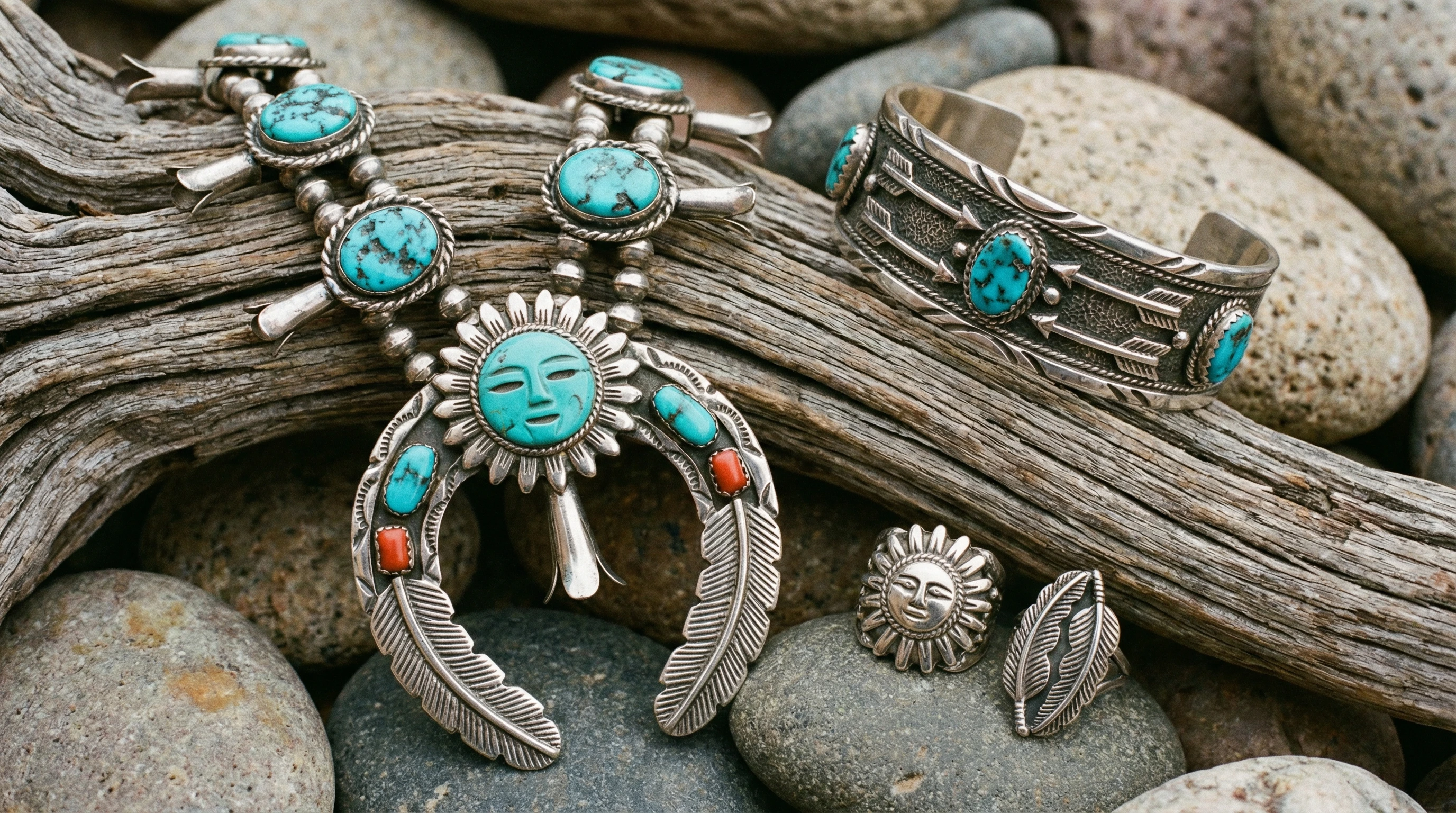
- Arrow: Often seen in bracelets and pendants, arrows can mean protection and defense or, depending on style, symbolize movement and direction.
- Feather: Popular in earrings and necklaces, feathers stand for trust, honor, strength, and freedom. For many, they also serve as reminders to stay connected to the spiritual world.
- Bear Paw: This common emblem in rings and pendants stands for courage, leadership, and physical or spiritual healing.
- Thunderbird: The thunderbird, often carved or inlaid into larger pendants or pins, represents power, strength, and protection from harm. It can also call in rain, which is pretty important for desert tribes.
- Whirling Log: This traditional symbol of luck and well-being—especially for the Navajo—looks a bit like a swastika, but comes from entirely different roots and carries its own meanings.
- Water Wave: Frequently seen in Hopi and Navajo silverwork, the wave or zigzag line ties to life, renewal, and the importance of water in the desert.
- Sunface: An iconic symbol for the Zuni, the sunface is all about life, happiness, growth, and abundance.
- Turquoise Stone: While not itself a symbol, turquoise is so highly regarded for its protective and healing power—it’s set into nearly every kind of Native jewelry I’ve come across.
Traditions Behind Symbolic Jewelry
Tribal traditions often shape more than just the symbols—they guide how jewelry is made and worn. For some, jewelry with particular markings is used during ceremonies, while for others, it serves to identify individuals or families. In Pueblo groups, bead necklaces with shell or stone pendants can show social ties or mark special occasions like births or coming-of-age ceremonies.
I’ve watched silversmiths in the Southwest use stampwork—a way of pressing a patterned stamp into sheet silver—to repeat motifs like eagles, arrows, or water waves across cuffs and rings. For Hopi artisans, overlay techniques let them carve intricate designs that reveal a darkened silver background, so symbols stand out with bold contrast.
Materials Used and Their Symbolism
It’s not just the symbols that count. The materials used can carry meaning, too. Here’s a look at some stones and natural materials you’ll spot:
- Turquoise: Known as a stone of protection and healing, turquoise is thought by many to bring good luck and even strengthen the body and spirit.
- Coral: Often paired with turquoise, coral can stand for warmth and the lifeblood of Mother Earth. It adds color as well as meaning.
- Shell: Shell beads—especially the unique heishi beads—have been traded for thousands of years. They bring out symbols of wealth, prosperity, and connection to water.
- Lapis Lazuli, Onyx, and Jet: Depending on the tribe, these stones can symbolize the night sky, spiritual awareness, or serve as a ward against bad fortune.
Quick Guide: How to Read Common Native American Jewelry Symbols
Getting to “read” the symbols in Native American jewelry feels easier with practice. Here’s a handy guide to help you start:
- Start Simple: Focus on spotting repeating shapes—arrows, waves, feathers, animals—and learn what they usually mean.
- Check the Context: Does the piece look ceremonial, everyday, or made for trade? That can give clues about why certain symbols are included.
- Materials Matter: If you see lots of turquoise or silver, it’s likely to be Southwestern, and the symbols often echo those traditions.
- Ask and Research: Artisans and good sellers often enjoy sharing the stories behind their work. Reading artist tags or asking questions is really helpful.
Curiosity about jewelry meaning is rewarding. It supports respect for the artists and their heritage, and helps you make deeper connections with the pieces you love.
Things to Consider When Buying Native American Jewelry with Symbolic Designs
If you’re looking to buy Native American jewelry, especially with symbols that have deeper meaning, a little research can really make a difference. Here’s what I always keep in mind:
- Authenticity: Look for pieces made by enrolled tribal members or recognized community artisans. The Indian Arts and Crafts Act offers some legal protection, but it’s always smart to buy from reputable galleries or shops with a good track record.
- Artist’s Story: Trustworthy sellers usually know who created their pieces. Buying directly from artists or at shows is a great way to learn a jewelry piece’s story.
- Symbol Origins: Not all symbols have the same meaning everywhere, and interpretations can be different. Ask about specific patterns or motifs, especially if you want something that connects to a particular tradition.
- Respectful Wear: Wearing jewelry with spiritual or ceremonial meaning should be done thoughtfully. Avoid pieces made especially for rituals unless you’ve discussed it with the artisan or the community to check what’s appropriate.
Buying Tips
Explore artisan co-ops, museum gift shops, or events like the Santa Fe Indian Market to track down genuine pieces. Certifications and artist biographies help double-check origin. Steer clear of generic “Native-inspired” items which aren’t linked to any community or artist, as these lose the cultural value of the symbols.
Taking Care of Symbolic Jewelry
Keep your jewelry looking its best by tucking it in soft pouches, keeping silver dry, and polishing stones with a clean cloth. Good care protects not just the materials but also the stories and meanings behind those symbols.
Advanced Details: Unique Techniques in Native American Jewelry
Diverse techniques bring extra meaning and beauty to the symbols in Native jewelry. Here are some worth checking out:
Overlay: Hopi smiths use two layers of silver, with the top cut into designs and soldered over a dark background. This method makes motifs like rain clouds and feathers stand out, bold and easy to spot.
Inlay and Stone Mosaic: Zuni and Navajo jewelers cut small stones to fit together like puzzles. The finished designs—sunfaces, animals, or even unique landscapes—are colorful and fun, but just as meaningful as stamped or etched images.
Beadwork: Tribes from the Plains, Woodlands, and Great Lakes are known for beadwork. Using glass and natural beads, they create patterns inspired by the plants and animals around them, bringing personal and regional stories to life.
Real-World Applications and Cultural Impact
Native American jewelry has long been a way for artists to set free their identity, culture, and resilience. Museums like the National Museum of the American Indian and shops connected to the Indian Arts and Crafts Association offer more info about authentic pieces. Today’s makers love to mix in some variety—blending old symbols with new twists—so these traditions keep evolving and don’t fade out.
- Celebration: Jewelry is still given as a way to mark life’s milestones and connect people to important stories and events.
- Expression: Contemporary artists use classic motifs, but they’re also willing to mix it up, making use of new materials and experimenting with shapes while keeping the original meanings alive.
- Cultural Connection: Wearing these symbols lets both Native and non-Native people honor the traditions behind the designs—but it’s important to do so respectfully and with understanding.
Frequently Asked Questions
What does it mean when you see an arrow in a Native American bracelet?
Arrows usually point to protection, direction, or peace based on their arrangement. For example, two arrows crossed often symbolize friendship.
How do I know if jewelry is really Native American-made?
Ask the shop or artist for info about the creator. Look out for certificates, artist tags, or proof of membership in a tribal community. Museum shops and cooperatives can be more reliable than roadside stands.
Is it okay to wear Native American jewelry if I’m not Indigenous?
Yes, as long as you buy respectfully and know what the designs and items mean. Avoid jewelry created specifically for ceremonies unless you’ve gotten the okay from the artist or community.
Why is turquoise used so much in Native jewelry?
Turquoise is believed to bring protection, healing, and good luck. Southwestern tribes, especially the Navajo and Zuni, value this stone so highly that it features in everything from rings to belt buckles.
The Key Takeaway
Native American jewelry symbols connect the past to the present and generations to traditions. They’re more than simple decorations. These symbols tell stories, carry hopes, and may even bring protection or luck to the wearer. Knowing the meaning behind your favorite piece can help you appreciate it even more and shows respect for the cultures and artisans who keep these powerful traditions alive.