
Native events, such as powwows, cultural gatherings, and seasonal celebrations, offer an amazing opportunity to connect with Indigenous communities and experience rich traditions up close. Whether you’re curious about local history or want to learn more about Indigenous arts and culture, attending one of these events gives a unique window into community life. If you’re heading to a Native event for the first time, knowing the best ways to participate respectfully can make your experience way more meaningful—not just for you, but for everyone around you.
What Makes Native Events Special?
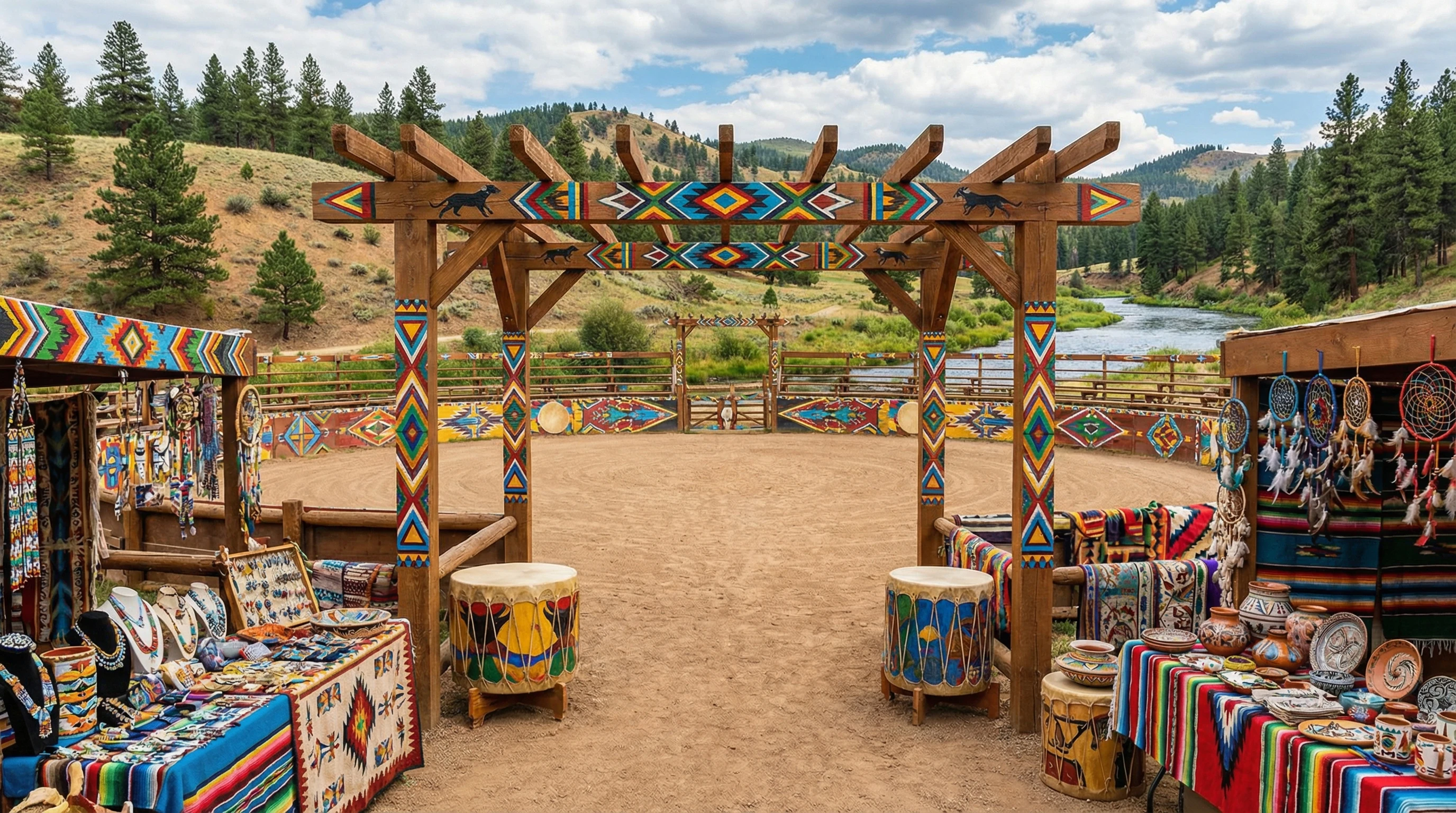
Native events bring together generations to celebrate heritage, preserve traditions, and share knowledge through song, dance, food, and storytelling. Modern Native gatherings may vary in scale and focus, from large multiday powwows with competitive dancing to smaller, communityled seasonal feasts. These events are not just celebrations; they also serve as spaces for honoring ancestors, reaffirming cultural identity, and building community connections.
You’ll often find craft vendors, traditional foods, and powerful displays of music and dance. Each event is different based on the local Nation’s culture, but you’ll probably notice some shared values: community spirit, respect, hospitality, and a commitment to cultural continuity. The chance to see eye-catching regalia accompanied by the thunder of drums creates an unforgettable atmosphere that blends tradition with contemporary life. Native events are also places where young people can learn from Elders, ensuring that language, customs, and stories are passed down through the ages.
Getting Ready: How to Prepare Before You Go
Doing a little research before attending a Native event goes a long way. Each community may have different customs, and if you’re heading somewhere unfamiliar, checking out the host Nation’s website or social pages can be pretty useful. Here’s what I always like to keep in mind before I go:
- Read the event schedule: These gatherings can go from sunrise to sunset or last several days, so knowing what’s happening and when keeps you from missing out. Some powwows, for example, have grand entries, gourd dances, and specials scheduled throughout the day.
- Check event guidelines: Some ceremonies or dances may be closed to noncommunity members, while others are open to everyone. If in doubt, look for posted signs or ask an event volunteer. Each Nation may have its own dos and don’ts, so checking ahead can help you avoid accidental missteps.
- Bring cash: Many Native events have vendors selling crafts or food, and sometimes there isn’t easy access to card readers or ATMs. Supporting vendors usually means using cash, and it’s an easy way to make sure you can sample foods or buy handmade items.
- Plan your outfit: Modest, comfortable clothes are always a safe bet. Tank tops and short shorts are usually not the vibe, especially if you’re watching or walking near the dance arenas. Consider a hat or layers for outdoor events, and always bring appropriate footwear.
It’s also helpful to check the weather, prepare for long days by carrying reusable water bottles, and even bring a folding chair or blanket if seating is limited at outdoor venues. Small steps like these show you’re prepared and respectful of the community’s space and time.
Basic Courtesy and Respect at Native Events
Being thoughtful and considerate is super important when visiting any cultural event, and Native gatherings are no exception. Respect is a core value for many Indigenous communities, and it goes both ways. Here’s what you can do to make sure your presence is positive:
- Follow the MC: The Master of Ceremonies (MC) acts as the event’s host, providing information and guidance. Listen for announcements about photography, which dances are open to everyone, and which spaces are reserved. The MC also keeps the event flowing and helps newcomers know when it’s appropriate to participate.
- Ask before taking photos or videos: Dancers and participants put a lot of time and care into their regalia; sometimes specific dances or ceremonies are not meant to be photographed. Signage will usually make this clear, but if you’re unsure, just ask. Respecting these boundaries maintains the integrity of the gathering.
- Keep the arena sacred: Many times, the dancing circle or arena is considered a sacred space, not a shortcut or a photo op spot. Enter only when invited and always exit promptly when ceremonies are done. Being mindful of this shows your respect for local customs.
- Be aware of seating: Frontrow and shade seating may be reserved for Elders, dancers, or community members. If unsure where to sit, check with a volunteer or choose the outer rows.
Keep your cell phone on silent or vibrate, and avoid talking loudly near ceremonial areas. Even small acts of courtesy can go a long way in showing your appreciation.
Participation: Ways to Get Involved Respectfully
Visitors are welcome at many Native events and your participation can be really appreciated if done in the right spirit. Here are a few things I try to do whenever I’m at a gathering:
- Join group dances if invited: Sometimes there are blanket dances, round dances, or social songs where everyone can join in. Listen for the MC’s invitation and follow the lead of dancers around you. It’s about community, not showing off your moves! These are often meant to welcome guests, so don’t worry about not knowing all the steps.
- Support local makers: Native artisans often travel long distances to share their work, so buying from them directly helps support cultural sustainability. From beadwork to frybread, bringing home something handmade is a great way to remember your visit. It also helps small businesses and keeps traditional arts alive.
- Share and learn respectfully: Chat with vendors, storytellers, or drummers if they’re open to questions. Just be mindful that some knowledge is not for public sharing or may be only for certain members of the community. Listening is sometimes more valuable than asking. Pay attention to subtle cues; sometimes silence speaks volumes in Native spaces.
If you’re invited to participate in a craft demonstration or language lesson, take the chance! These moments are often about building bridges and mutual understanding.
Common Pitfalls and How to Avoid Them
It’s pretty common for wellmeaning visitors to trip up on event etiquette. Here are some of the main things to watch out for so your visit goes smoothly:
- Avoid wearing headdresses or imitation regalia: Native clothing and regalia are loaded with meaning and history. Wearing fake feathers or costume accessories is seen as disrespectful. It’s best to admire the artistry from afar and leave traditional wear to those it belongs to.
- Don’t enter the arena with food or drink: The main dance area is sacred and usually food or drink is kept outside its boundaries. Eating and drinking are reserved for other spaces during most gatherings.
- Avoid interrupting participants: If someone is adjusting their regalia, praying, or performing, give them space until they’re finished. This shows respect for personal boundaries and spiritual practice.
- Don’t record everything: Some things aren’t meant for social media; even if an event is public, not everything should be posted online. Check for rules, and when in doubt, keep your phone away. Many communities have reasons for protecting certain dances, songs, or images from broad sharing.
Photography Dos and Don’ts
Lots of people want to capture the beauty of Native events, but sensitivity is super important here. Respect personal boundaries and community rules. Groups may announce “no photography zones,” and individuals may not want their image shared. I’ve found that a simple “Is it ok if I take a picture?” can go a long way. Capturing the spirit of the event is possible while also being considerate of personal privacy.
Food Etiquette
Trying traditional foods is a highlight for many visitors, but remember that some foods served at ceremonies might be intended just for community members or have special meanings. When the food’s open to guests, be gracious and avoid big portions until everyone’s had a bite. Asking about ingredients or preparation can also be a conversation starter and shows genuine interest in the culture.
Advanced Tips for a Deeper Connection
If you’re interested in going beyond being just an observer, there are a few ways to build deeper connections at Native gatherings:
Volunteer: Some large powwows and festivals look for extra help. Tasks like setup, helping Elders, or working at info booths are great ways to meet people in a real and meaningful setting. Volunteering also opens up the chance to listen to stories and get a behind-the-scenes look at how the event comes together.
Learn the language basics: Picking up a few greetings or thank-yous in the local language can show respect and open up some fun conversations. Even learning how to say “hello” or “thank you” goes a long way in building goodwill.
Attend workshops or storytelling: If the event includes a session on dancing, traditional crafts, or history, sign up! These handson experiences break the ice and let you dive in respectfully. They offer unique insights into the meaning behind the celebrations and help deepen your understanding.
Support year round: Follow event organizers or artists online, spread the word about next year’s gatherings, or attend other cultural showcases in the area. Being a supportive visitor isn’t just a oneday thing; continued involvement helps Native cultures thrive and shows you value the connection.
Frequently Asked Questions About Visiting Native Events
Here are a few common questions visitors often have when attending their first Native event:
Can anyone attend a powwow or Native gathering?
Usually yes, but it’s always good to check the event info ahead of time. Some ceremonies or gatherings are private or invitation only. Public events, though, encourage everyone to attend and learn. It’s also good to remember that respectful curiosity is welcome, so don’t hesitate to reach out to organizers with questions.
What should I wear to a Native event?
Dress modestly and comfortably. Skip costumes, and save bold prints or flashy accessories for another time. Layering is smart because weather at outdoor events can be unpredictable. Neutral colors are often appreciated, and dressing appropriately ensures you fit in rather than stand out.
How do I greet people or start conversations?
Start simple: a friendly hello works. If you feel shy, vendors and info booth volunteers are usually happy to chat and can share tips for making the most of your visit. Listening more than you speak is often the best approach when joining discussions.
Are photos allowed?
This depends on the event and the particular moment. Look for posted signs and always ask before snapping pictures, especially of people or ceremonies. Remember that being respectful with your camera can help build trust with the community.
Why These Tips Matter
Participating in Native events is one of the best ways to expand your view of local cultures and histories. Being a thoughtful guest means recognizing the effort and intention behind each gathering. Small actions, like supporting vendors, following event rules, and treating cultural spaces with care, add up to meaningful connections. You’ll leave with new knowledge, and the community will benefit from your respect and support.
Whenever I’m attending a Native event, I remember that my goal isn’t just to be a visitor but to leave the space better than I found it. Every positive interaction, every show of gratitude, keeps these traditions strong for future generations. It’s about building bridges across cultures—one respectful step at a time.