
American Indian storytelling events are some of the richest and most meaningful gatherings you can attend if you’re curious about tradition, culture, and the unique history of Indigenous peoples in the United States. These celebrations do more than share old tales; they’re vibrant, living experiences that keep languages, customs, and wisdom alive. If you’ve ever wondered how stories shape identity and community, these events offer a one-of-a-kind window into a world full of depth and beauty.
Why Storytelling Is Super Important in American Indian Traditions
For many American Indian communities, stories aren’t just for entertainment or passing time; they are a huge part of the way knowledge, values, history, and spiritual beliefs get passed down from one generation to the next. A lot of tribes describe themselves as “oral cultures,” meaning their histories and teachings are kept alive and passed on with very little reliance on written records.
Unlike some books or school lessons, these stories are filled with memories of ancestors, survival, resilience, and the wisdom that comes from living close to the land. The telling is just as vital as the content; voice, gesture, and audience participation all bring these stories to life in real time.
Common Features of Storytelling Events
Most storytelling events I’ve attended or researched combine good company, traditional foods, and plenty of cultural buzz. The atmosphere is usually welcoming and full of life, even for newcomers. Here’s what you’re likely to find at many of these gatherings:
- Story Circles: These gatherings might be small or large groups sitting together in a circle, often outside or in community halls, as a storyteller shares spoken tales or sings them.
- Traditional Music and Dance: It’s pretty common to see drumming, singing, and ceremonial dances woven in between story sessions.
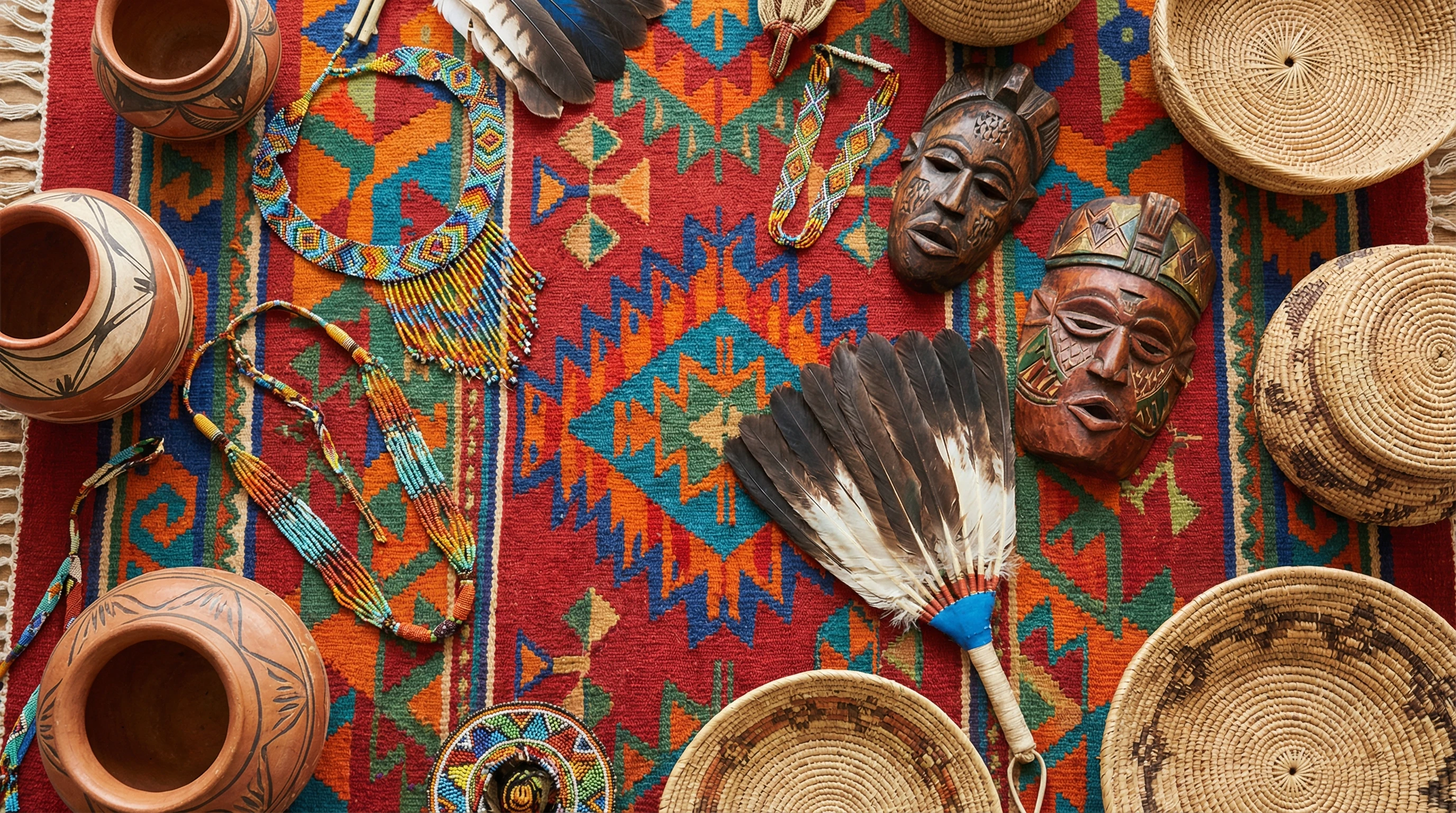
- Craft Displays and Food Sharing: Handmade jewelry, pottery, or beadwork are often on display, and potluck-style meals might feature regional Indigenous dishes.
- Audience Participation: Listeners of all ages sometimes join in with responses, questions, or even jump in to finish well-known stories with the teller.
Types of Stories Shared at These Events
The variety of stories you’ll hear is pretty vast, often depending on the tribe, region, or purpose of the event. Here are a few popular types:
- Origin Stories: These explain how the world, people, or animals came to be and answer big questions about creation and existence.
- Trickster Tales: Some favorites feature clever, mischievous characters like Coyote, Raven, or Rabbit who shake things up, teach lessons, and reveal the humor in life.
- Historical Narratives: Detailed retellings keep the memories of great leaders, battles, migrations, or events fresh for new generations.
- Teaching Stories: Stories that offer guidance about respect, generosity, balance, and responsibility often pop up at family-oriented events or formal ceremonies.
How Storytelling Differs Across Tribes and Regions
It’s important to remember that “American Indian traditions” refers to a huge range of languages, beliefs, and cultural practices. The way stories are told by elders in a Navajo hogan can look quite different from a gathering in a Great Lakes Anishinaabe longhouse or a Cherokee stomp ground. If you’re curious to get more detailed information about a specific region, authoritative sources like the National Library of Medicine offer plenty of insight.
Some differences you might spot include:
- Seasonal timing (some stories are only told at certain times of year)
- Gender or age of the teller (certain stories might be reserved for elders or spiritual leaders)
- Use of native language versus English
All these differences keep the traditions meaningful and firmly rooted in their communities.
Planning to Attend: What to Expect at Storytelling Events
If you’ve never been to an American Indian storytelling event, it helps to know what to expect so you can be mindful and make the most of the experience. These gatherings usually go something like this:
- Welcoming Ceremony: The host community might open the event with a prayer, song, or blessing.
- Story Sessions: Storytellers take turns sharing tales, sometimes in the original language, sometimes in English, often blending both at once.
- Sharing Food: Bringing or accepting shared food is a good way to participate and show respect for the culture.
- Open Questions: In some settings, there’s time for people to ask questions about a story’s meaning, background, or cultural importance.
- Closing Ritual: The event often ends with a song, prayer, or social dance thanking everyone for their presence and attention.
People at these events really appreciate attentive listeners who are respectful and ready to learn. Maintaining silence while someone is telling a story is important, so it’s best to keep your phone tucked away to avoid disturbing anyone.
Tips for Getting the Most from a Storytelling Event
- Do a little homework first: Check if the event is public, familyfriendly, or tribe-specific to avoid surprises.
- Arrive early: You’ll have time to settle in and maybe introduce yourself to the hosts or storytellers.
- Dress comfortably and appropriately: Many events take place outdoors or involve sitting on blankets or low chairs.
- Ask before taking photos or recordings: Many tribes have guidelines about photographing ceremonies or performances.
- Bring an open mind: Some stories might cause you to question what you know about American history, nature, or spirituality.
Common Challenges and How to Handle Them
- Language Barriers: Some stories include a lot of words or phrases in the tribe’s original language. Hosts often help provide translations, and learning a couple of simple greetings can show you care.
- Understanding Context: Some stories might seem confusing if you don’t know a tribe’s history or beliefs. Reading up beforehand and asking questions (when it’s appropriate) can help a lot.
- Feeling Out of Place: If you’re not American Indian yourself, it’s normal to feel like an outsider. Respectful curiosity and patience can help you connect and learn as you participate.
Language Barriers
Storytelling often brings out the rhythm, humor, and wisdom of a people’s native language. If you listen to a story in a language you don’t know, enjoy it as you would music or poetry. Storytellers typically pause to sum up the message in English, especially in public settings.
Context Matters
The meaning of a story can hinge on time, place, and audience. For example, tales about winter animals might only be told during specific months, or a survival story could reference places you aren’t familiar with. Checking event programs or handouts can help you follow along.
Cool Ways to Experience Storytelling Beyond the Live Event
You don’t have to wait for a festival or special event to enjoy traditional American Indian stories. Many museums, libraries, and cultural centers offer online archives or recorded sessions. Some tribes even host virtual storytelling events you can join from anywhere. To track down reliable resources, try the First Nations Development Institute and the National Endowment for the Humanities. These sites are packed with excellent material to learn from.
Additionally, you might stumble upon Indigenous podcasts or local cultural exhibits packed with audio stories. Community radio stations in Native areas sometimes broadcast oral traditions as well.
Frequently Asked Questions
Have questions about attending or learning from American Indian storytelling events? Here are a few of the most common things people want to know:
Question: Can anyone attend a Native storytelling event?
Answer: Some events are open to all and welcome visitors, while others are private for cultural reasons. Always check ahead before attending.
Question: Is it okay to ask questions during the event?
Answer: Generally, you should wait until the end unless the storyteller invites questions. Respecting his or her pauses and silences matters a lot.
Question: Are there rules about recording or posting stories online?
Answer: Rules can vary; some stories are only meant for the listeners present. Always ask before making a recording or sharing anything online.
Question: Are children welcome at these events?
Answer: Most community storytelling events encourage young listeners and see them as essential to growing traditions for the future.
Key Things to Keep in Mind When Exploring American Indian Storytelling Events
Attending American Indian storytelling events lets you connect directly with living history and see tradition in motion. Whether you’re listening to elders at a gathering, checking out digital archives, or enjoying a festival with friends, you’re tapping into wisdom and culture stretching back countless generations. The most important things to bring are curiosity, patience, and genuine respect for the community sharing its stories with you. Regardless of where you start your adventure, there’s always something valuable to learn, and often you’ll go home with even more questions and a deeper sense of connection than when you arrived. If you’re eager to hear more, consider searching for events at your local cultural centers, or look online for streaming sessions. American Indian storytelling is an open invitation to everyone who wants to listen and learn.