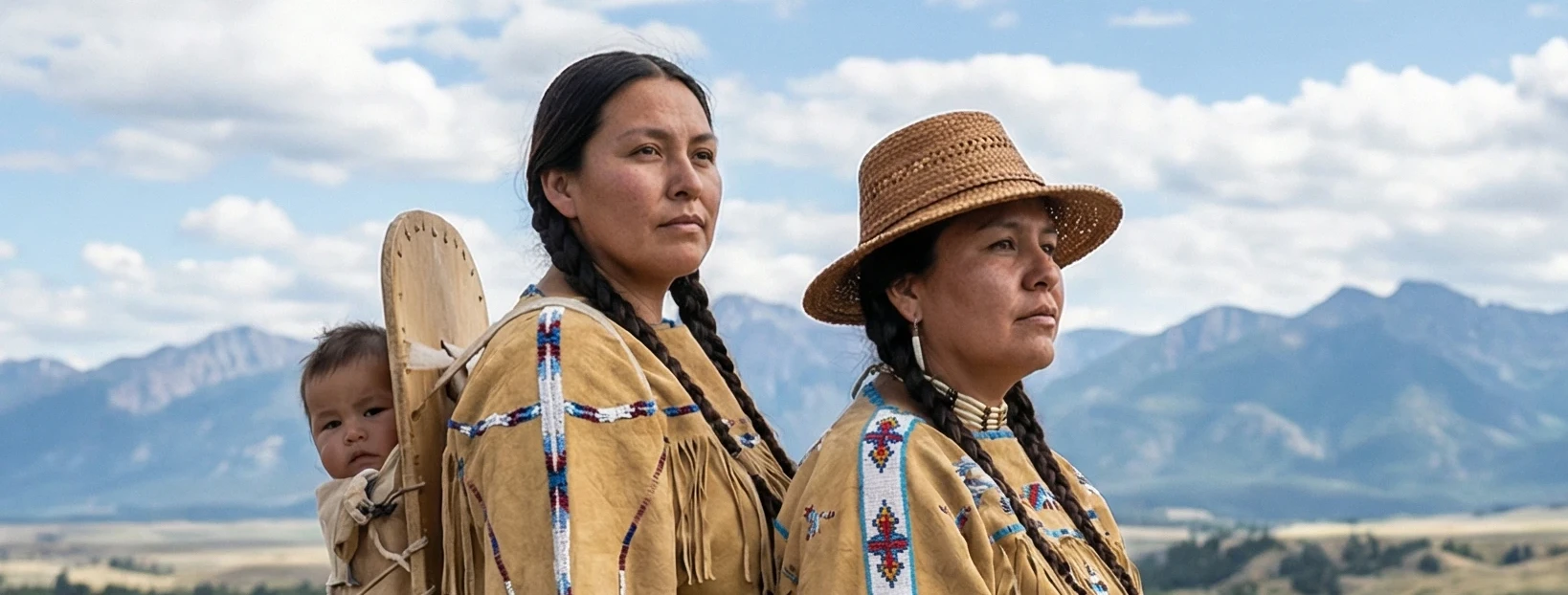
American Indian leaders have made a lasting impact on how the story of North America unfolds. Their influence goes far beyond legends and oral traditions; many of their decisions have shaped politics, society, and culture in ways that reach into today. For those who want to get a real sense of history’s nuances, the lives and actions of these leaders are definitely worth exploring.
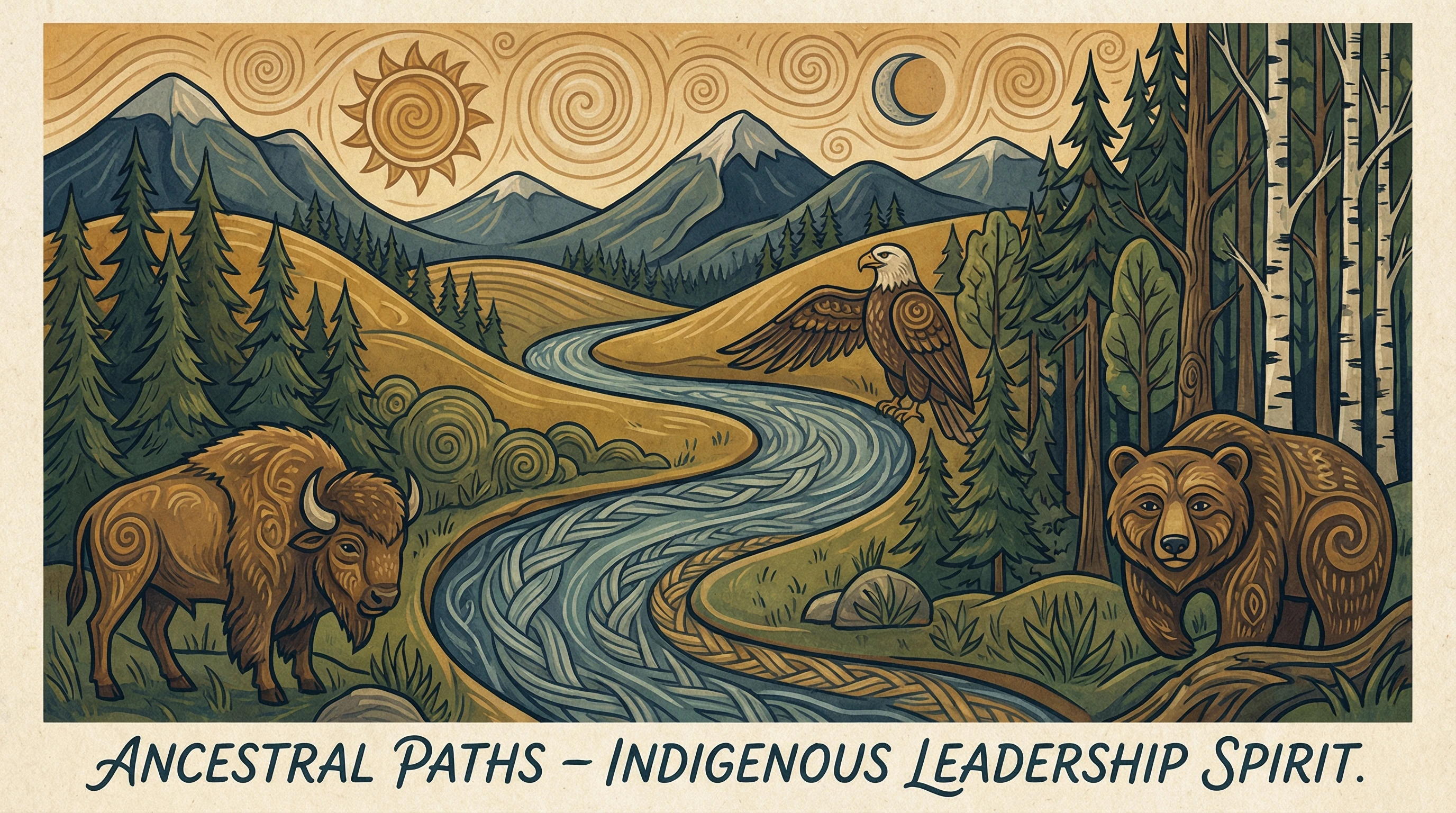
The Role Of Indigenous Leadership In Early North America
Native nations have been leading societies in North America for thousands of years. Long before European explorers arrived, Indigenous communities already had established systems for governing, negotiating, and making decisions for their people. Leadership often focused on community wellbeing, balance with nature, and maintaining strong social ties within the tribe.
Council fires, clan mothers, and tribal councils guided everything from trade and diplomacy to hunting territories. Each tribe had its own approach, and leadership was often seen as a duty to future generations as much as the present. This thoughtful way of choosing and listening to leaders created a sense of continuity and community that still gets attention today. Many Native teachings highlight the importance of making decisions with the next seven generations in mind, influencing how people think about sustainability.
Notable American Indian Leaders Through History
It’s tough to sum up all the influential leaders in a single article, but there are a few names and stories most people hear about when they start learning. Their actions influenced not just their own people but the course of American and, sometimes, world events. Some lesser-known but equally impressive leaders include:
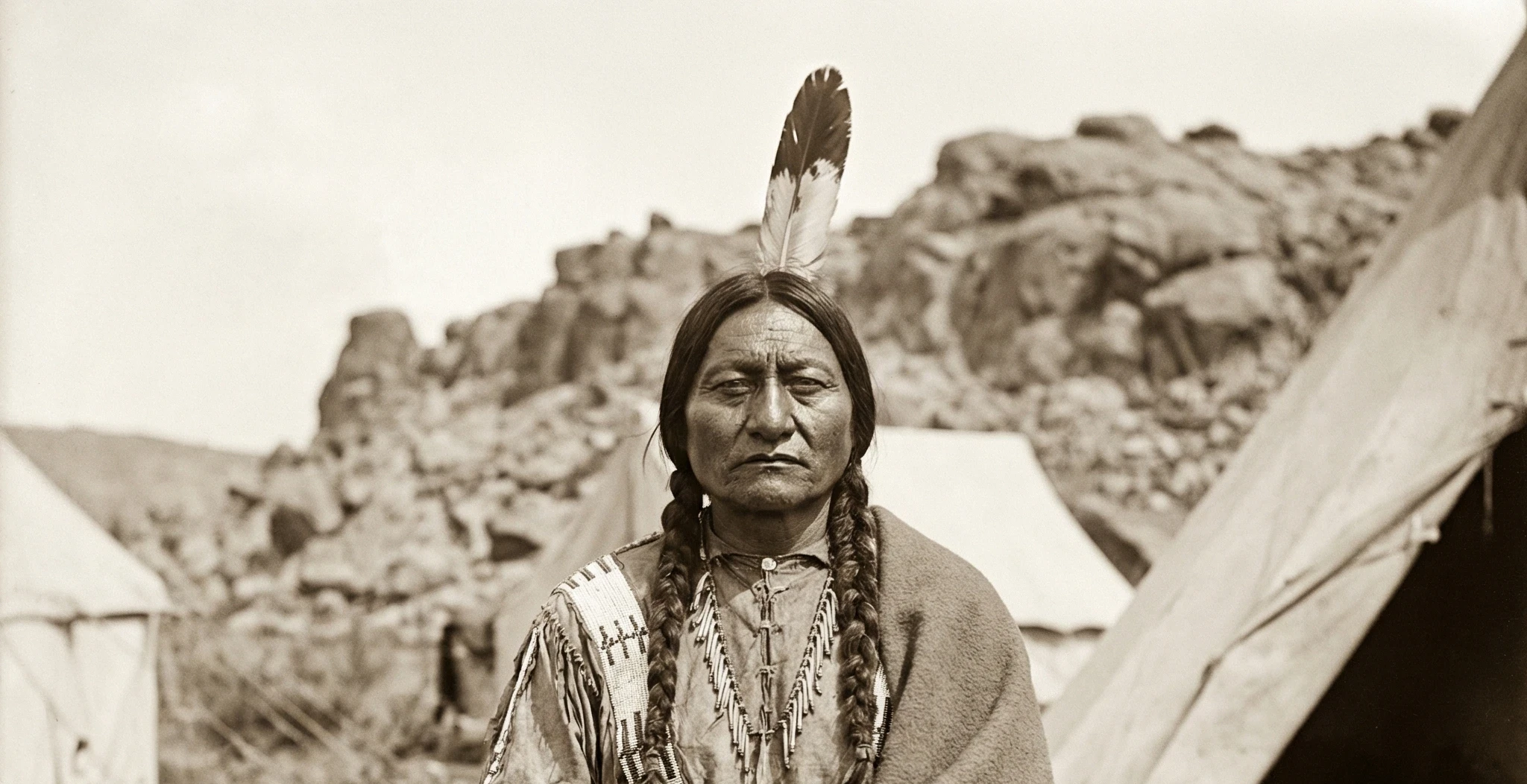
- Sitting Bull (Hunkpapa Lakota): Known for his role in resisting U.S. government policies and for leading his people during the eye-catching victory at the Battle of the Little Bighorn. His leadership balanced diplomacy, community guidance, and military resistance.
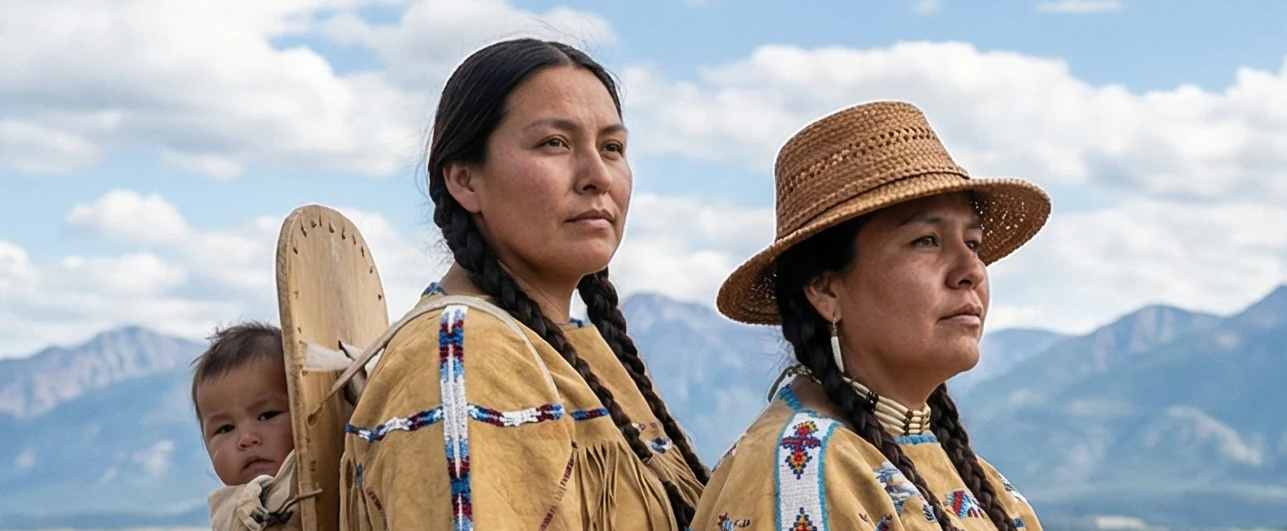
- Sacagawea (Lemhi Shoshone): Traveled with Lewis and Clark as a guide and interpreter, playing a key role in opening communication between tribes and explorers and supporting one of America’s most famous adventures.
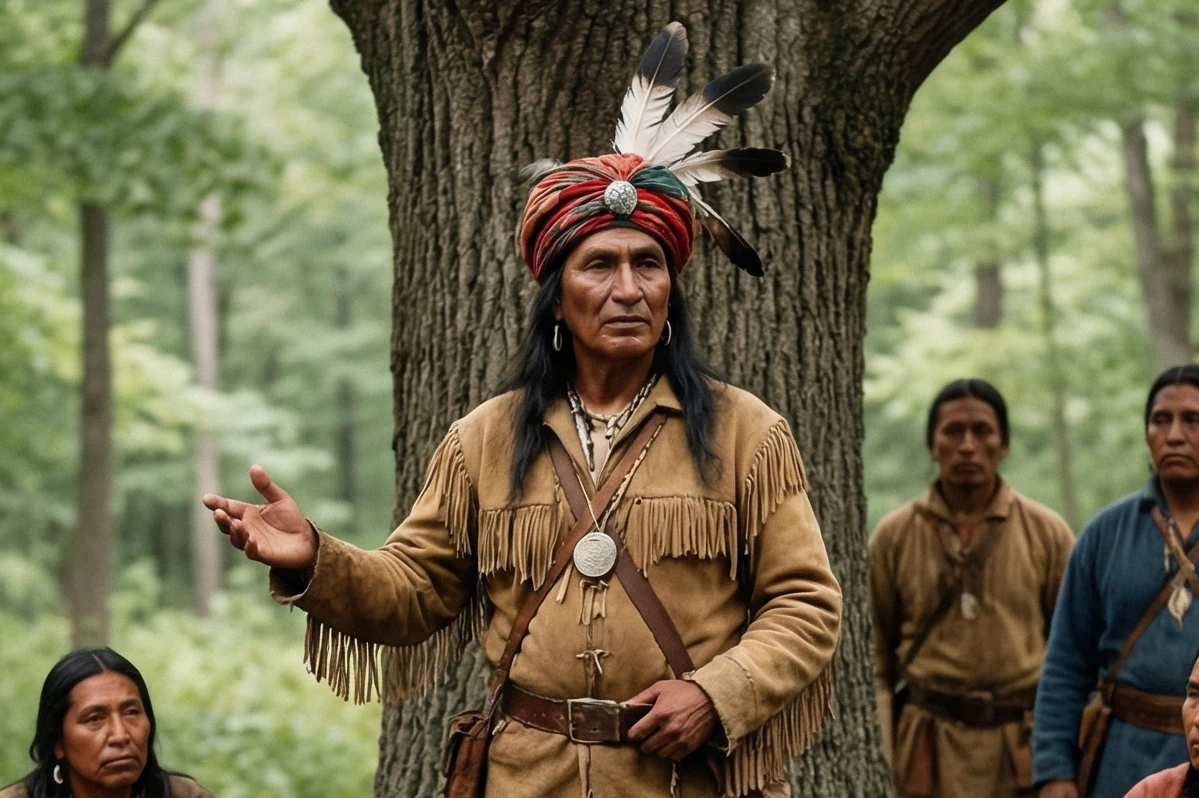
- Tecumseh (Shawnee): Organized a powerful pantribal confederacy to resist land encroachments and unite Native nations, showing strong strategic and diplomatic skills. His story is often talked about in military and political circles.
- Wilma Mankiller (Cherokee): Became the first female principal chief of the Cherokee Nation in modern times. She’s known for putting out community programs, strengthening self-determination, and paving the way for other Native women in leadership.
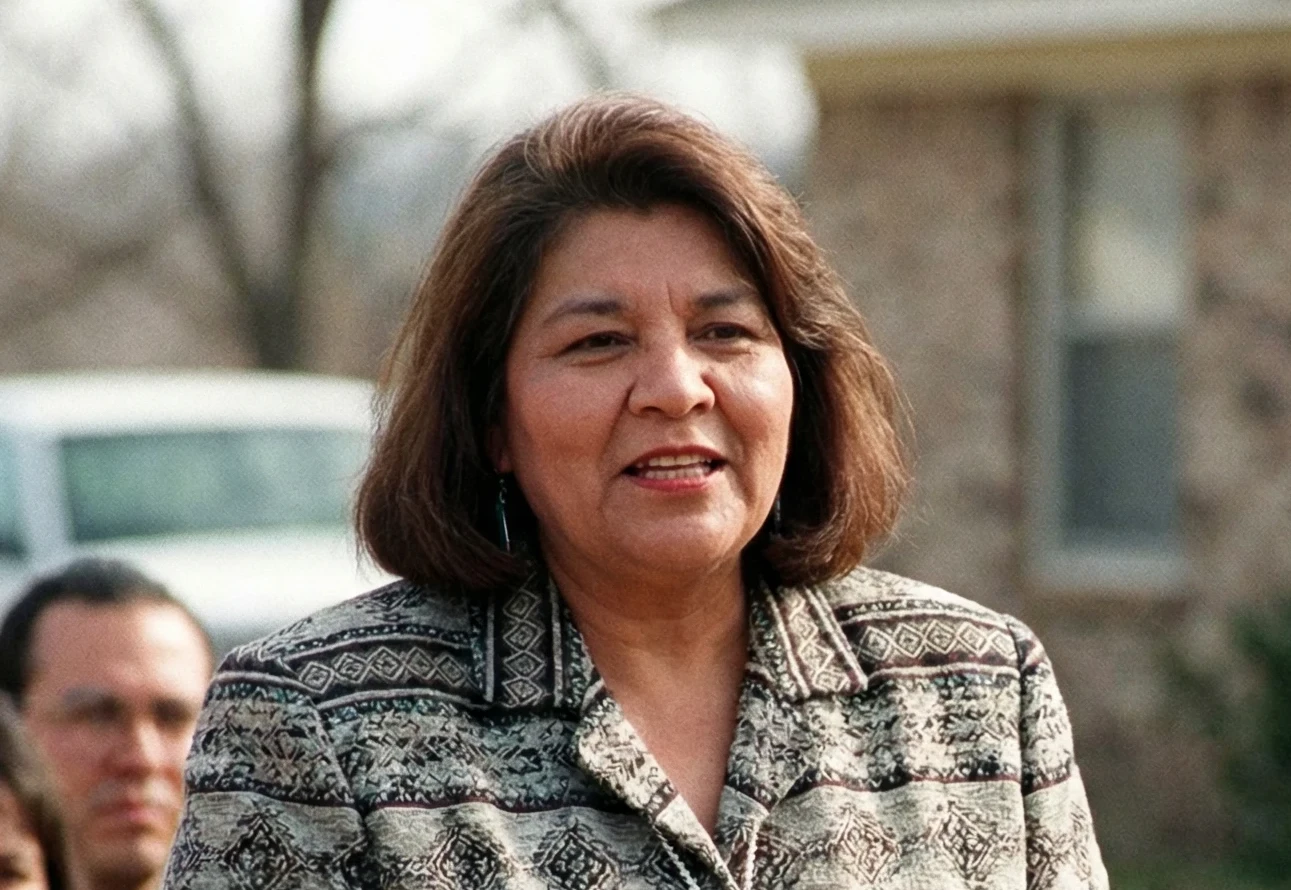
- Chief Joseph (Nez Perce): Famous for his determined but ultimately unsuccessful effort to lead his people to safety in Canada, he remains a symbol of dignity and wise leadership under extreme pressure.
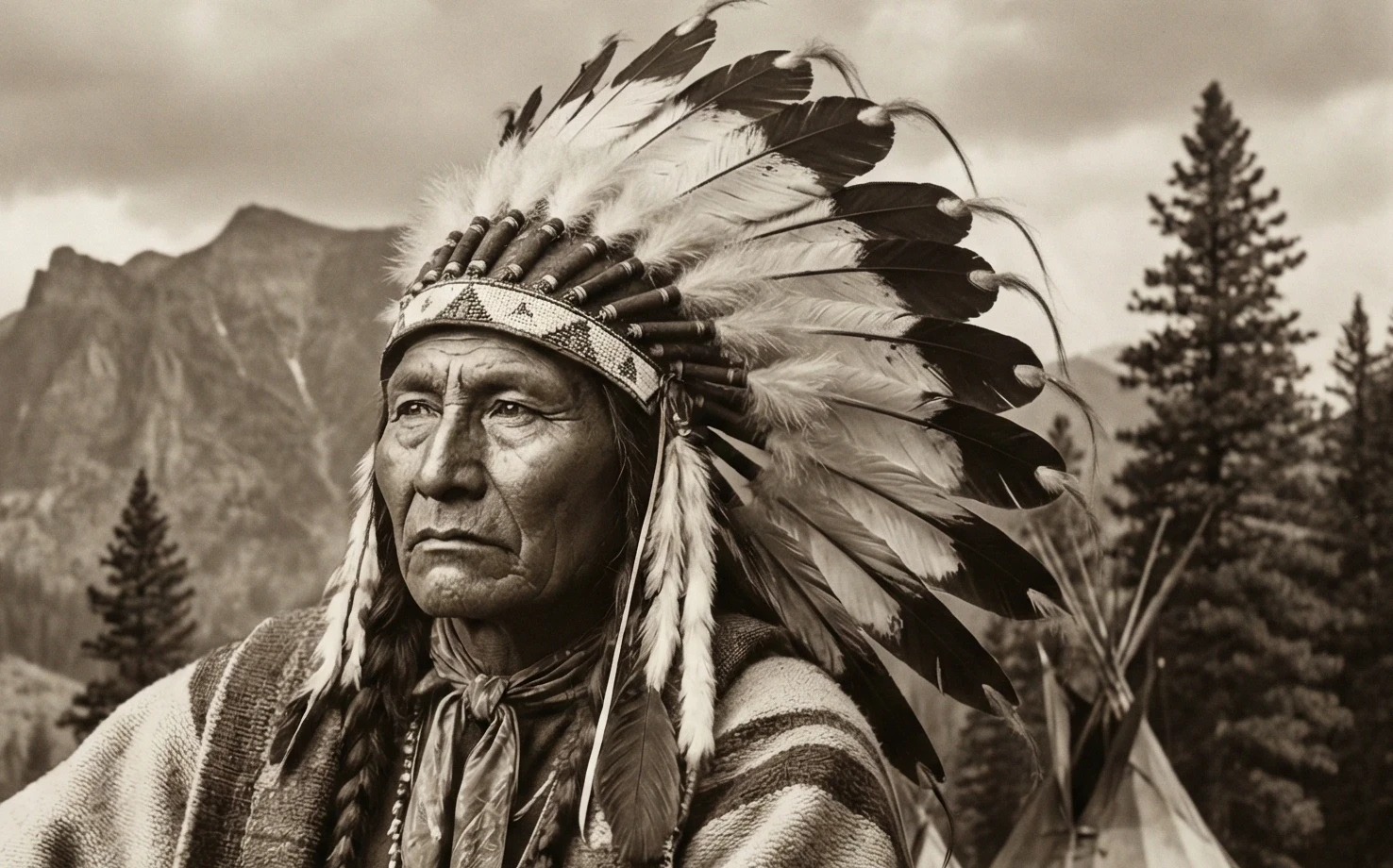
- Osh-Tisch (Apsáalooke/Crow): A Two Spirit warrior and healer, Osh-Tisch defended her community at the Battle of the Rosebud and helped maintain important spiritual and social practices.
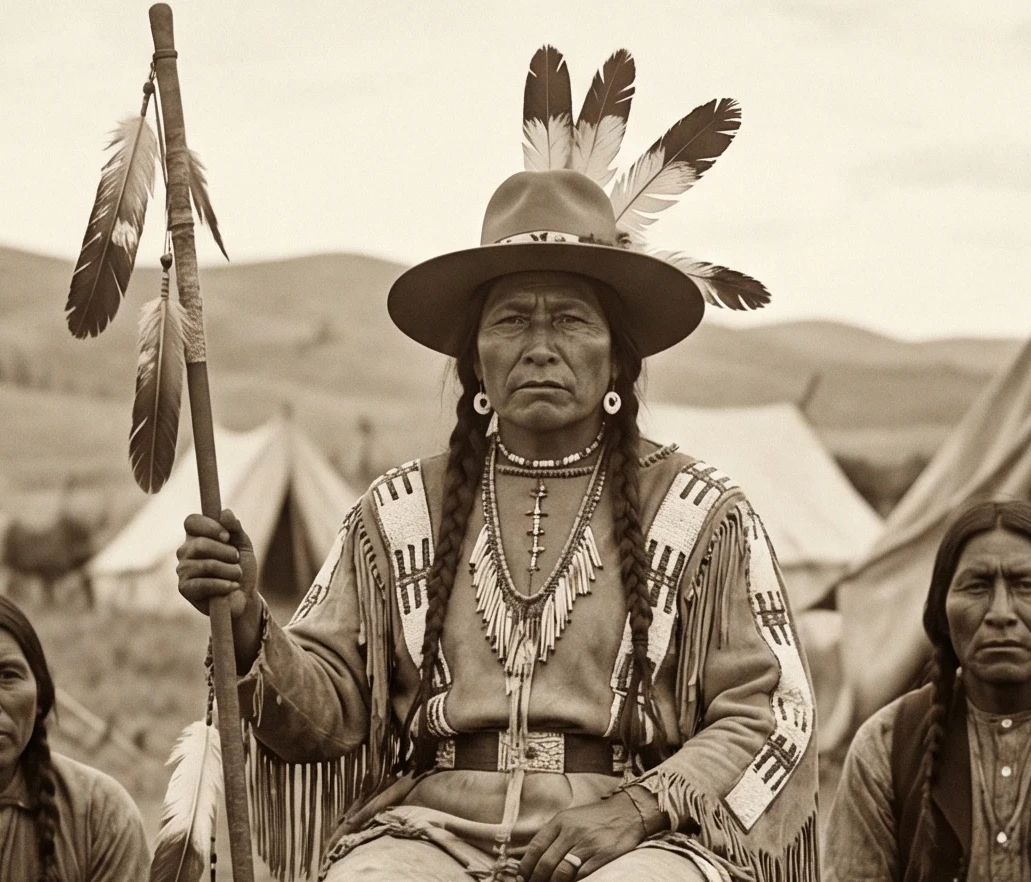
- Gertrude Bonnin (Zitkála-Šá, Yankton Dakota): A writer, musician, educator, and activist for Native rights and citizenship, she co-founded the National Council of American Indians and fought for Native peoples’ legal status.
What Sets Indigenous Leadership Apart?
When looking over American Indian leadership styles, one theme that pops up is the focus on leadership as service. Instead of seeing leadership as just holding power, many traditional leaders were chosen for their wisdom, generosity, and willingness to look out for everyone in the community, not just a select few. This approach helped keep things fair, balanced, and encouraged shared responsibility.
Consensus was really important in a lot of tribes. Decision-making wasn’t rushed, and big choices were often discussed until everyone agreed. Sometimes this meant progress was slower, but it also made sure actions reflected group values, not just individual ambition. These traditions make Indigenous leadership models unique compared to many Western ones and show the value of listening, patience, and humility.
In many communities, it was common for women and elders to be highly respected as leaders. Clan mothers among the Haudenosaunee, for example, had the authority to select and remove chiefs and were responsible for guiding social and political affairs. This kind of inclusive leadership still inspires conversations about representation and equity today.
Challenges Faced By American Indian Leaders
Throughout history, tribal leaders faced a range of challenges that changed over time. Here are some common hurdles and ways leaders have handled them:
- Negotiating With Colonial And Federal Powers: Many American Indian leaders became skilled diplomats. Some worked to sign treaties, hoping to secure territory or autonomy. Others resisted encroachment entirely, sometimes using force or retreating to protect their people.
- Maintaining Community During Upheaval: Wars, forced removals, and assimilation policies hit communities hard. Leaders often focused on keeping traditions alive, preserving language, and supporting displaced families, a form of leadership that doesn’t always get noticed in mainstream stories.
- Balancing Tradition And Change: As times changed, some leaders adopted new approaches, whether through formal education, advocacy, or political engagement, to give their community’s standing a boost without giving up core values.
Diplomacy And Treaty-Making
Negotiating treaties was one of the toughest jobs for tribal leaders. Sometimes, agreements looked hopeful on paper but turned out to be empty promises. Leaders like Black Kettle and Red Cloud spent years moving through changing messages and shifting alliances. The stories of these negotiations remind everyone just how complex and often unfair government relations could be.
Defending Culture And Rights
Efforts to ban languages or force assimilation put a lot of pressure on leaders and families. Some, like Chief Plenty Coups, found ways to mix education or technology with tradition, helping their people adapt to new realities while still honoring their roots. These choices kept Indigenous identities alive through some of the harshest periods of American history.
Despite hardships, many Indigenous leaders have found creative methods to keep cultural strengths alive. Hosting powwows, advocating for Native-led schools, or reviving traditional foodways have all played a role in nurturing community bonds and identity.
Modern American Indian Leaders
Leadership has switched up in modern times, but the same spirit of community and advocacy carries on. From running for tribal office to pushing for legal reforms or environmental protections, today’s leaders can be found in many roles. Here are a few:
- Legal And Political Action: Tribes fighting for treaty rights and sovereignty through the courts have seen leaders step up as legal experts and policy advisors, like Deb Haaland, now U.S. Secretary of the Interior—the first Native American to serve in a U.S. cabinet position.
- Education And Cultural Preservation: Many Native educators and artists make a huge difference by opening language schools, creating cultural centers, and standing up for curriculum changes at every level, from elementary schools to universities.
- Environmental Stewardship: American Indian leaders have been at the forefront of water, land, and wildlife protection, whether it’s challenging pipelines, restoring traditional lands, or working with government agencies. Recent actions at Standing Rock highlighted how powerful knowledge, tradition, and youth involvement can be in shaping national discussions.
Things To Keep In Mind When Looking At History
Learning about American Indian leaders goes way beyond who won which battle or signed which treaty. Careful research helps readers understand the ongoing impacts of their decisions and the unique approaches to governance and community support. Here are a few things readers will probably want to remember:
- Sources Matter: Lots of early history books were written by outsiders. For a better picture, check out oral histories, scholars from Indigenous backgrounds, or tribally sourced information alongside usual records.
- Every Nation Is Different: With 500+ federally recognized tribes in the U.S. alone, leadership structures and challenges differ widely. Each group has its own way of picking and supporting leaders; for example, some tribes have chairs or presidents rather than chiefs, and some use consensus rather than simple majority votes.
- Modern Issues Stem From History: Many challenges Native communities face today—land, education, health, and recognition—have deep roots in past government decisions and leaders’ responses.
Balancing Old Wisdom And New Solutions
One thing that stands out is how leaders today draw on traditional ideas about service and consensus while taking on modern legal battles or going after technology and resource access in their communities. Mixing old and new, they tackle complex issues in smart and adaptable ways. From tribal internet setups to renewable energy projects and language apps, new tools help keep traditions strong while leveling up opportunities for future generations.
Frequently Asked Questions
These are some questions I hear a lot when people are interested in the history of American Indian leaders:
Question: Why do American Indian leaders sometimes get called chiefs or sachems?
Answer: These are terms used by English speakers, but not all tribes use or accept them. Some groups have totally different roles, like clan mothers or councilors, depending on their own languages and customs.
Question: Are Native American leaders just political figures?
Answer: Leadership runs across spiritual, social, economic, and political life. Leaders could be elders, healers, warriors, artists, or educators, and sometimes a bit of each!
Question: How are modern Native leaders chosen?
Answer: Tribal elections and council appointment are common, but approaches vary. Some nations mix older traditions with democratic processes, and community respect still carries a lot of weight.
What American Indian Leadership Means For Today
The influence of American Indian leaders reaches well into current conversations about justice, environmental protection, and cultural pride. Their resilience and creativity offer real-world guidance for anyone interested in fair, community-minded leadership. Whether it’s standing up to unfair policies, building schools, or keeping languages alive, these leaders keep finding ways to strengthen their communities and inspire others. Their stories highlight the value of listening, collaborating, and respecting different perspectives.
Learning their stories adds new perspectives to North American history. Any time I read up on a new leader or hear a community story, I’m reminded how much wisdom and strength comes from voices that aren’t always in the spotlight. There’s much to gain from recognizing the deep and diverse influence of American Indian leaders in history. Their legacies echo in modern efforts to build stronger, more just societies for all.