
Native American jewelry holds a special place in art, history, and culture. Each piece tells a story, shaped by the traditions, spiritual beliefs, and skills of the people who made it. When you look closely at the details and symbols, the influence of tribal cultures really shines through. Exploring this connection helps me appreciate just how much heritage, meaning, and craftsmanship is packed into every handcrafted earring, bracelet, or necklace. These creations are more than simple adornments; they are historical artifacts woven from the spirit and resilience of entire nations. The reverence granted to certain stones, the symbolism encoded in each pattern, and the regional flair found in techniques all add to the layered significance behind every unique piece.
The Deep Roots of Tribal Traditions in Jewelry
Every tribe across North America has its own approach to making jewelry. The styles, materials, and purposes behind each piece can be traced right back to tribal histories and customs. For many Native American groups, jewelry serves a lot more than just an ornament; it helps express identity, clan membership, and personal milestones.
Jewelry played a role in ceremonies, served as tokens of status and wealth, and acted as amulets for protection. Different stones, colors, and symbols reflected beliefs that have been passed down through generations. You’ll often see variations in jewelry between the Navajo, Hopi, Zuni, Sioux, Cherokee, and other tribes. Each of these groups kept their own stories alive through the shapes, patterns, and materials they favored. The distinctiveness of each region’s approach not only comes across in the finished products, but also in the stories recounted by tribal elders and artists themselves. Often, these elders are the direct link to the past, making sure these techniques and meanings persist.
Traditional Materials and Their Tribal Meanings
The choice of material in Native American jewelry is about so much more than looks. Silver, turquoise, shell, bone, copper, and even certain seeds or stones each carry their own special meaning. I’ve always been fascinated by how each tribe selects specific materials to reflect their landscape and worldview.
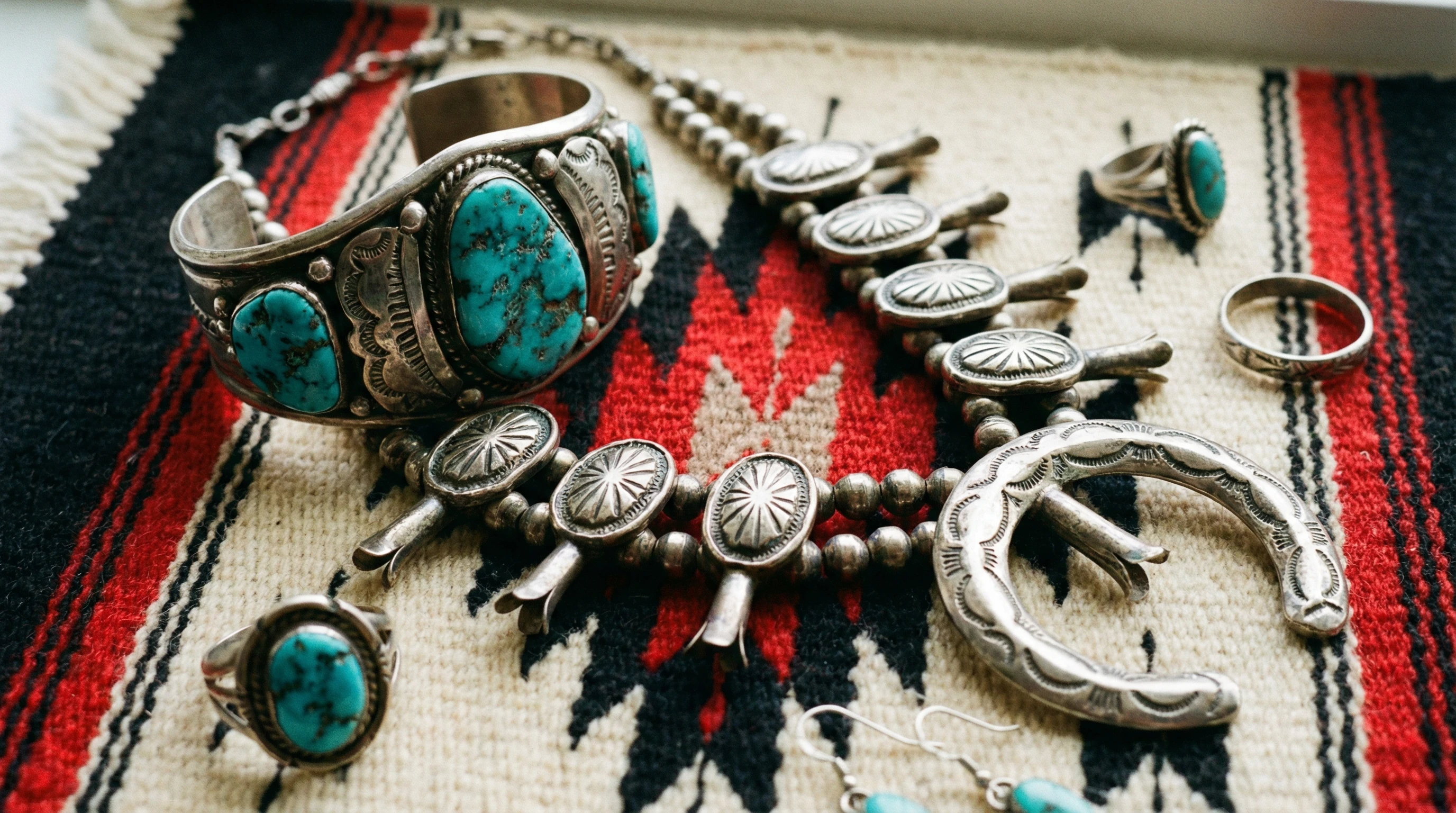
- Turquoise: Especially loved by southwestern tribes like the Navajo and Zuni. Turquoise is seen as a symbol of sky, water, and health. It’s pretty common in necklaces, bracelets, and rings, and is often set in silver, another southwestern staple.
- Shell and Abalone: Used by coastal tribes, especially around the Pacific like the Chumash or peoples of the Northwest Coast. Shells represent water, connection to the sea, and trade with far-off tribes.
- Bone and Antler: Plains and Great Basin tribes made use of the resources found in their environment, shaping jewelry from animal bones, antler, or teeth, often as symbols of hunting prowess or spiritual strength.
- Wampum: Beads made from white and purple mollusk shells were really important to eastern tribes like the Iroquois and Wampanoag. They were more than decoration; wampum necklaces and belts were a way to record treaties, stories, or agreements.
Glass beads, which entered Native jewelry via trade routes, quickly spread through various nations, becoming an exciting staple for both everyday and ceremonial use. Generations adapted new materials, sometimes mixing them with traditional stones to produce works that are both rooted and reinvented. Even today, water-washed stones, featherwork, and natural dyes bring vibrant connections to the earth and ancestors, linking makers and wearers to cycles that have existed for hundreds or thousands of years.
Iconic Designs Reflecting Tribal Heritage
Specific design elements can be traced back to the distinct cultures and beliefs of each tribe. I think it’s amazing how styles like intricate beadwork, inlay, silver stamping, and weaving communicate so much at just a glance.
- Beadwork: Tribes of the Plains, like the Lakota and Crow, are famous for their vibrant bead designs. Motifs like geometric shapes, flowers, and animals aren’t just random; they’re tied to clan legends, nature, or spiritual protectors.
- Silver and Turquoise: The Navajo are big innovators here. Their jewelry is recognized for bold, stamped silver patterns set with turquoise stones. The squash blossom necklace is one of those pieces that always grabs my attention for its artistry and heritage.
- Inlay: Zuni jewelry is packed with tiny stones perfectly fitted together in mosaic patterns, sometimes called “petit point” or “needlepoint”. These designs often show birds, flowers, or iconic sunface motifs.
- Overlay and Carving: Hopi artisans create layers of silver to form striking images like sun symbols, animals, and traditional stories. Their overlay technique is unlike anything else in Native jewelrymaking.
Other signature styles, like quillwork among the Blackfeet or complex woven sashes among the Iroquois, reveal how artistic invention was often dictated by available resources, local spiritual beliefs, and clan narratives. The creative process for many artisans involves both honoring the past and reflecting the now, meaning every piece—no matter how small—has a very personal backstory.
Jewelry as Storytelling and Symbolism
Tribal jewelry acts as a wearable language. The colors, shapes, and materials combine to communicate stories about nature, ancestors, and the cosmos. For some people, these designs are loaded with personal meaning and tribal memory. Certain symbols, like eagles for strength or bears for courage, show up across different tribes but often with their own twist.
For example, a pair of Navajo earrings might include spirals and squared crosses, powerful icons for wind and the four directions. Zuni jewelry often uses a sunface to represent harmony, balance, and the renewal of life. Even the way beads are strung and the order of colors in a pattern can tell a tribal creation story or honor a major seasonal event.
The interplay between symbol, legend, and day-to-day meaning is what makes traditional jewelry extra special for both wearers and collectors. Instead of being static, these symbols are adapted to reflect personal stories, new family members, or significant life events. As such, jewelry isn’t just created for the sake of beauty but is also a living record of time, reminding those who wear them of home, ancestors, and community ties.
How Trade and Contact Shaped Tribal Jewelry
Trade between tribes, and later with Europeans, had a big impact on jewelry designs and materials. Certain techniques, like silversmithing, came to Native American artists through contact with Spanish craftsmen. Tribes adopted and adapted these skills in truly unique ways. For instance, the Navajo, Zuni, and Hopi each developed their own take on silver jewelry over generations, blending outside influence with their own traditions.
Trade routes also let coastal shells, glass beads from Europe, and bright stones move between distant tribes. Plains peoples, for example, picked up Italian glass beads and turned them into signature floral and geometric designs. Over time, these outside materials just got woven into existing tribal symbolism. Cross-tribal sharing didn’t erase identity; it sparked new innovations that kept jewelry fresh but meaningful. In some cases, new techniques became so established that they are now considered native traditions themselves.
Practical Tips for Collecting and Appreciating Native Jewelry
I love helping others stumble upon Native American jewelry, but I always recommend taking a careful approach. Handmade pieces carry the artist’s story, and real, tribe-made works are genuinely timeless. Here’s how to experience and collect them respectfully:
- Learn About Authenticity: Look for artists with clear tribal connection or established Native-run businesses. There’s a federal law (the Indian Arts and Crafts Act) that helps protect authentic Native-made art from knock-offs.
- Understand Designs: Take time to learn about the tribe’s typical styles, symbols, and methods. That way, you can spot the difference between actual traditional techniques and factory-made imitations.
- Support Native Artists: Buying directly from Native artisans or legitimate Native-owned vendors is one of the best ways to help keep jewelry traditions alive.
- Ask Questions: Don’t be shy about reaching out to artists or collectors for info about the meaning behind certain pieces, where the materials came from, or how they were made. Most love sharing their stories!
Common Challenges: Coping with Misrepresentation and Mass Production
Native American jewelry has a huge market, but that also means lots of mass-produced fake “Native” pieces. This hurts tribal artists and risks erasing real tribal connections from jewelry. Staying aware of this and choosing authentic art helps protect cultural heritage.
- Mislabeling: A lot of jewelry labeled as “Native” is made by non-Native companies. It’s super important to double-check where your jewelry comes from and who made it.
- Loss of Symbolic Meaning: When traditional designs get mass-produced without understanding, the spiritual and cultural side can get lost. Jewelry isn’t just an accessory; for many Native Americans, it’s a part of their identity.
- Preserving Techniques: With fewer young tribal members learning jewelry making, some techniques and stories face the risk of fading out. Supporting Native artists directly can help keep these skills alive.
The Modern World & Continuing Innovation
Contemporary Native artists mix old-school traditions with new forms, materials, and influences. I’ve seen everything from high-fashion collaborations to experimental designs that still honor classic tribal roots. You’ll spot younger artists combining silverwork and 3D printed elements, beadwork poking into pop culture territory, or turquoise set in dramatic new ways.
Still, every design choice is about continuing and celebrating identity. Modern jewelry connects communities, keeps family history going, and shares tribal culture with new generations. The creative spark shown by these makers not only keeps traditions alive but inspires future artists to jump in and cook up something new that remains true to tribal storytelling.
Frequently Asked Questions
Sometimes people just stumbling upon Native American jewelry want to know how to learn more. Here are questions I often hear:
Question: What are some signs of genuine Native American jewelry?
Answer: Look for artists or sellers affiliated with recognized tribes, use of traditional materials, and handcrafted methods. Shops or artists who share background info and crafting stories are usually reliable.
Question: Why is turquoise so connected with Native jewelry?
Answer: Turquoise stands for life, sky, and well-being in several southwestern tribal traditions. Its color and rarity gave it big spiritual importance, especially to the Navajo, Zuni, and Pueblo peoples.
Question: How did tribal groups decide on their designs?
Answer: Many designs are linked to tribal legends, history, or the natural world. Patterns and colors can represent a clan, an ancestor, or a spiritual guide. Artists often learn style details from family members or elders.
Where to Learn More and Enjoy Tribal Jewelry Art
There’s a lot of cool resources out there if you’re curious to learn more or add to your collection. Museums like the Heard Museum, Smithsonian’s National Museum of the American Indian, or the Wheelwright Museum have great exhibits and info. Websites like Indian Craft Shop and SWAIA feature work from Native artists across tribes.
Jumping into tribal jewelry is a rewarding way to connect with real stories and artistic traditions. Whether you’re wearing a piece, collecting, or just appreciating the artistry, there’s a whole world of heritage and creativity in every handmade item. As you check out new collections or meet Native creators, you not only get a feel for the history but also help keep these stories in motion for future generations. Each piece is an invitation to dig into the beauty and meaning behind Native artistry—one that grows richer the deeper you look.