
Native American jewelry isn’t just about the beauty of turquoise or the shimmer of silver. It carries stories, wisdom, and deep symbolic meaning in every etched line and polished bead. These designs have lasted hundreds of years because they’re filled with symbols that mean a lot to the communities that create them. In this guide, I’m going to break down what some of these common symbols represent, drawing from my experience exploring Native art markets and talking to jewelers about their craft.
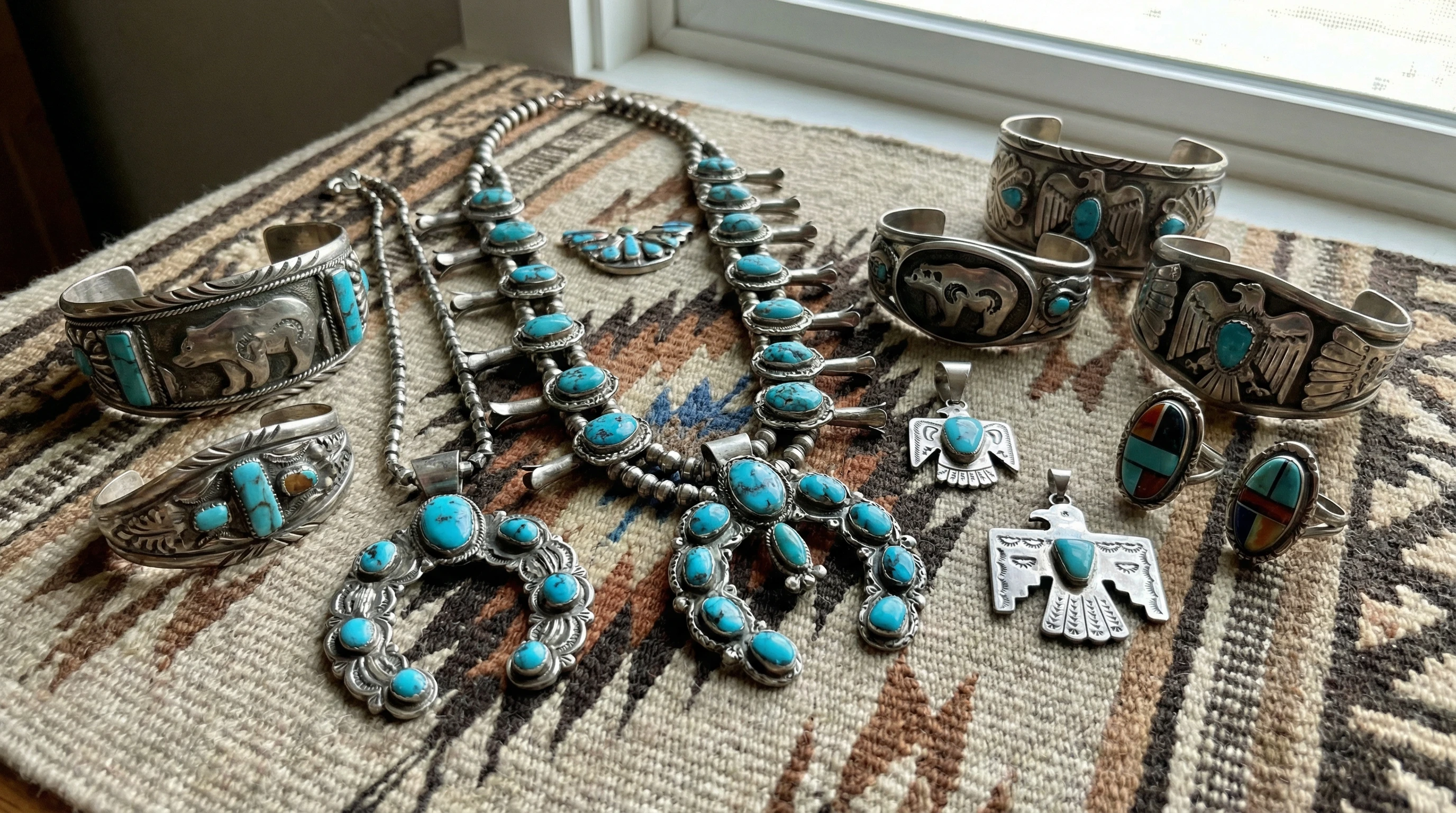
The Origins and Purpose of Symbols in Native American Jewelry
Symbols used in Native American jewelry are way more than just pretty patterns. For many tribes, these images connect to traditional stories, family history, and a respect for nature’s cycles. Every symbol, whether it’s carved, stamped, or beaded, reflects values, beliefs, or prayers for protection, abundance, or strength. The specific meanings can change depending on the tribe or artist, but there are a few themes almost everyone recognizes. Knowing these can really help you appreciate each piece on a different level, even if you’re new to Native American art.
Over time, jewelry has also served practical roles such as being used in trade, as gifts for marking life events, and as a sign of personal or community identity. Designs featuring animals, birds, plants, and geometric shapes help tell the story of who created the jewelry and why it’s special to them. So, whether you spot an eagle, a zigzag pattern, or a bear paw, you’re actually looking at a tiny piece of history.
Common Symbols: What Do They Mean?
There are loads of different symbols out there, but a few show up again and again across different artists and regions. Here are the stories behind some of my favorites and the ones you’ll regularly see in shops or art fairs. Learning these can give you a whole new way to see and choose jewelry that really speaks to you.
- Eagle: One of the most widely used animal figures. The eagle stands for spiritual connection, freedom, and vision. Tribes see eagles as messengers between people and the Creator, and feathers or eagle profiles often appear in jewelry as a call for guidance or as a thank you for protection.
- Owl: While some tribes connect the owl with wisdom and protection, others see it as a warning or a symbol tied to the afterlife. In jewelry, an owl can offer both guidance and a gentle reminder to be cautious in your adventure.
- Wolf: Wolves show up often, representing loyalty, unity, and strength in family or community. Navajo and Hopi jewelers especially love this motif, using it as a symbol to encourage resilience through tough times.
- Bear: The bear means courage, healing, and inner strength. Bear paws and full bear figures are super popular, especially in Zuni and Navajo designs. Some people even see them as a symbol of leadership.
- Thunderbird: This legendary bird is found mostly in the art of Plains and Southwestern tribes. The thunderbird brings power, transformation, and protection. Its stylized wings or heads are carved into everything from bracelets to bolos.
Each of these animals connects back to ancient stories, sometimes called legends or oral traditions, and their appearance in jewelry acts as a bridge between the wearer and these deeper meanings.
Iconic Motifs and What They Represent
It’s not just about animal figures. Shapes, stones, and patterns play a big part too. Here are some motifs that might catch your eye while browsing:
- Arrow: Represents protection, direction, and movement. Sometimes, it points the way to follow in life or offers the wearer a kind of symbolic shield.
- Spiral: A sign of growth, connection, and the cycle of life. Many Southwestern artists use spirals to remind us that change is part of the adventure.
- Hopi Sunface: Signifies harmony, happiness, and hope. This round face, often with vibrant inlays, feels inviting and positive.
- Water Wave: Used by tribes like the Hopi, Navajo, and Zuni, these patterns symbolize water’s importance and the promise of life and cleansing.
- Feather: Besides the eagle, feathers in general mean trust, honor, and a connection to the spiritual world.
- Bear Paw: Focuses on healing, courage, and moving forward in life, a motif that people find comforting in tough times.
Jewelry makers often combine several patterns to send layered messages. A bracelet or necklace could hold a whole lot of personal meaning packed into just a few inches of silver or turquoise. For example, some artists may blend the sleek line of an arrow with the energetic pattern of water to remind wearers of the flow of life and the need for protection while moving through it.
You might also stumble upon motifs like stars, mountains, or even plants. For instance, star patterns can symbolize hope or a connection to ancestors, while mountain shapes often stand for perseverance and a deep connection to the land. These details help each piece feel personal and significant to the artist and owner alike.
Quick Guide: How To Recognize and Connect With These Symbols
If you’re shopping for Native American jewelry or just want to understand your favorite piece better, spotting symbols and knowing their meanings makes the experience way more personal. Here are some handy pointers when checking out symbols and their stories:
- Look for Repetition: If you see an animal, shape, or mark repeated, chances are it’s there for a reason, not just decoration.
- Ask the Artist: Many jewelers are happy to share the story behind their designs. This not only gives you perspective, but it also shows respect for their craft.
- Know Your Regions: Some motifs, like the Thunderbird, are more popular in certain areas, while others, like the Sunface, are unique to specific tribes.
- Research the Tribe: The same symbol can mean different things for different communities. If you know where a piece comes from, you’re more likely to get an accurate idea of its meaning.
- Trust Your Instincts: Sometimes a piece just “feels right.” Values like courage, protection, or harmony are universal, even if you don’t know every detail of the specific tribal tradition.
Mixing old stories with modern style keeps these pieces relevant today and ensures the stories keep going. For example, some young artists are putting a modern twist on traditional motifs, creating new conversations and interpretations that keep the culture alive and engaging for the next generation.
Choosing and Caring for Your Meaningful Jewelry
Wearing Native American jewelry goes way beyond fashion. For many people, including me, it’s about honoring the roots of these designs and respecting the artists who create them. When picking out jewelry, it’s a good idea to buy directly from Native makers or reputable sources who work closely with artists. This not only supports traditional livelihoods but also keeps you connected to the real stories behind these powerful designs.
As for looking after your jewelry, silver and turquoise are both pretty easy to take care of. Store your pieces in a cool, dry place and avoid harsh chemicals. If your jewelry features stones or intricate designs, a soft cloth and gentle cleaner are all you need. The care you show your jewelry is another way of respecting the efforts and meaning that went into making it. And if you do lose a stone or see any wear, don’t hesitate to check in with the artist or a skilled jeweler for repairs—this is a chance to learn even more and keep your pieces in great shape.
Frequently Asked Questions About Native American Jewelry Symbols
I get a lot of questions from friends and readers about Native American jewelry. Here are some I hear most often:
Question: How do I know if a piece of jewelry’s symbols are authentic to a tribe?
Answer: Buying from reputable Native artisans or galleries is a good start. Directly asking the maker about the symbol’s meaning and the traditions it represents is totally fine most of the time.
Question: Is it okay to wear Native American symbols if I’m not Native?
Answer: Most Native artisans are proud when people appreciate their work, especially if you buy from them and not from mass-produced sources. Learning about the culture and showing respect for the meaning behind the art makes a big difference.
Question: Why do some pieces feature multiple animal or geometric symbols?
Answer: Combining symbols can layer meanings, like mixing protection and healing, or strength and transformation. This makes the piece more personal and meaningful for the wearer.
Question: What do turquoise and coral stones symbolize in jewelry?
Answer: Turquoise usually represents protection, healing, and good fortune, while coral often stands for life and blood, or the strength and vibrancy of the land and oceans.
Recognizing and Honoring Storytelling in Jewelry Design
When you wear a piece of Native American jewelry, you’re carrying a piece of someone’s heritage and story. Every eagle, owl, wolf, bear, or thunderbird you spot links you back to the stories told around fires or passed down in families for generations. Understanding these symbols gives even a simple ring or cuff a whole new depth. You’re reminded of the courage, community, and wisdom that shaped the art in the first place.
If you want to explore more or get involved, many tribal museums, local art fairs, and Native-operated shops have plenty of resources and friendly experts willing to share what makes each piece special. The more you know, the richer your connection to the jewelry becomes, so go ahead and dig into those stories. Wear them with pride—each symbol is a vibrant thread in a much bigger tapestry, connecting us all to the cultures and adventures that inspire these unforgettable creations.
Click Here to See a Wide Variety of Native American Jewelry Designs!