
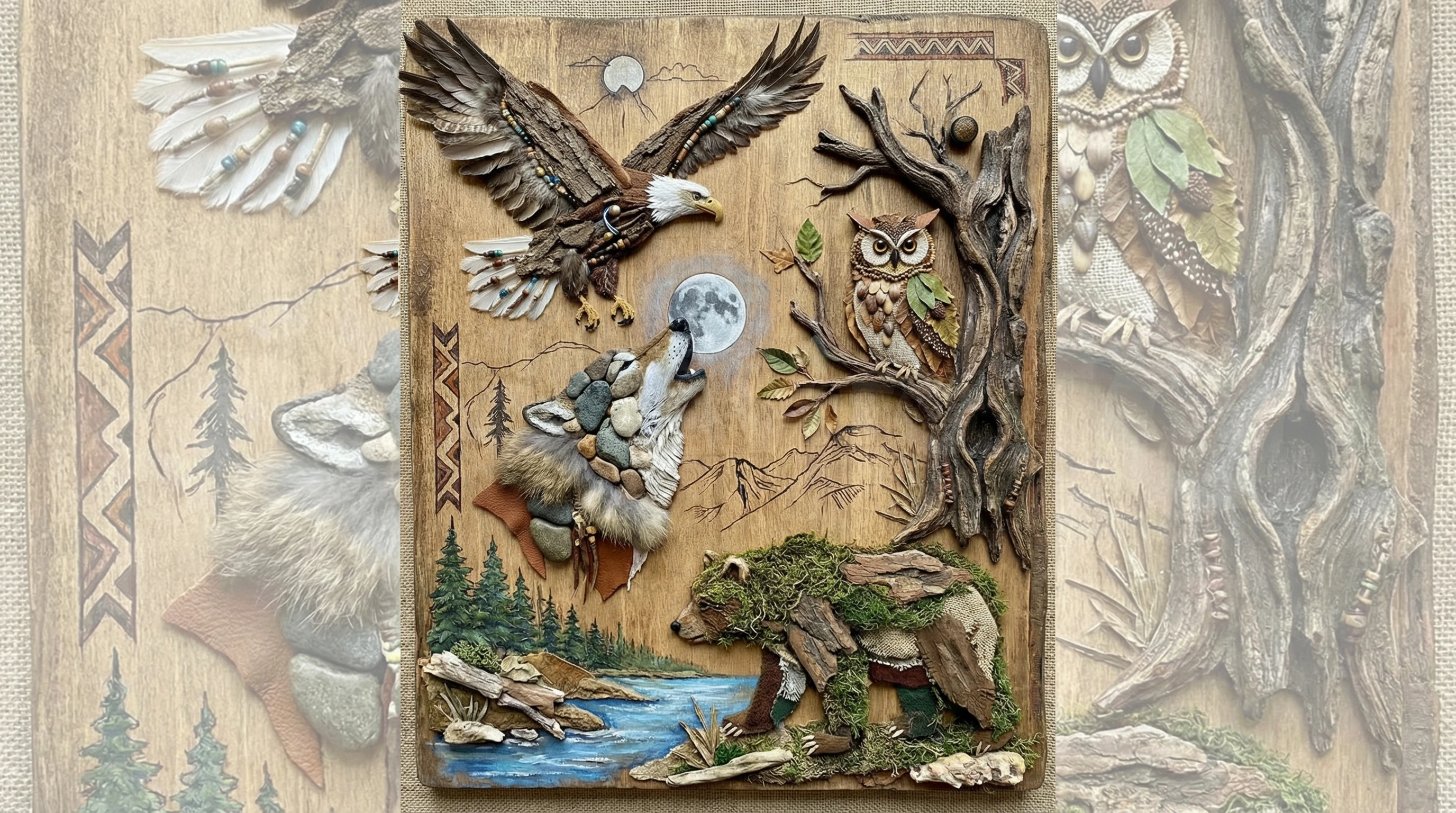
Animal symbols hold deep meaning in Native American culture. These symbols appear in stories, art, and ceremonies, weaving nature and tradition together in ways that make life lessons tangible and relatable. For many Native communities, animals are not just creatures; they’re respected as guides, teachers, and family. When I first started exploring Native stories, I was struck by how every animal seems to have a personality and purpose. Some, like the eagle, inspire pride and connection to the sky, while others, like the bear and wolf, reflect lessons about courage, loyalty, and family bonds.
Why Animal Symbols Matter in Native American Traditions
Animal symbolism is a big part of Native American heritage and daily life. Different tribes have their own reasons for honoring certain animals. Sometimes, animals act as messengers or spiritual helpers (often called totems or spirit animals), and these connections offer guidance during important moments. While animal symbols show up in many cultures around the world, Native American stories bring their own distinct depth and variety to these connections.
Animals often stand for a set of values or qualities. For example, the wolf stands for loyalty and intelligence, while the eagle relates to strength and seeing the bigger picture. These animal meanings are woven into ceremonies, oral stories, beadwork, masks, and even modern powwow regalia. The approach is usually practical and respectful. By watching animal behaviors and cycles, Native people pass down wisdom that ties into relationships, survival, and harmony with the land.
Animal Symbols and Their Meanings
I’ve always been fascinated by how some animals become so central to ceremony and everyday life. Here are some of the most well-known animal symbols in Native traditions, including ones that come up often—the eagle, owl, wolf, and bear.
- The Eagle: The eagle is a powerful symbol in many tribes, known for its sharp eyesight, great strength, and ability to soar to incredible heights. Eagles are thought to carry prayers to the Creator, so eagle feathers often play a part in ceremonies and regalia. To many Native people, seeing an eagle signals hope, new beginnings, and the importance of looking at life from a higher perspective. Many tribes treat eagle feathers as sacred gifts because of the bird’s connection to the sky and all things spiritual. Only certain individuals can carry eagle feathers, and doing so comes with responsibility and respect for tradition.
- The Owl: In Native American beliefs, the owl symbol is more nuanced than the warning sign often found in popular culture. Some tribes connect owls with wisdom and prophecy, while others see them as linked to the mysteries of life. Owls show up in stories as guides during dark or uncertain times. Their ability to see in the dark is respected as a helpful trait for tough moments. Some believe owls protect, while others interpret their calls as reminders to stay sharp.
- The Wolf: The wolf brings lessons of family, teamwork, and intelligence. In Native tales, the wolf isn’t a wanderer on its own; it’s part of a close-knit pack. Wolves model cooperation, loyalty, and resilience. Tribes like the Anishinaabe and Navajo hold the wolf up as a teacher of leadership and communication. I’ve read stories where wolves guide the lost back home or teach children to watch and learn from their elders.
- The Bear: Bears are linked to strength, healing, and the cycle of rest and renewal. Many Native American groups turn to bear stories to teach about courage and using inner resources to face challenges. The bear’s hibernation stands as a reminder to value rest, introspection, and recovery. Those who identify with the bear totem may take on healing roles or guide others through tough times in their community.
Other animals like the coyote (known as a trickster and teacher), buffalo (representing abundance and gratitude), and turtle (standing for creation and persistence) are common too, each one adding its own lesson to the mix.
Where Animal Symbols Show Up: Art, Story, and Ceremony
Animal symbols aren’t just ideas; they’re everywhere—from ancient rock art and pottery to beadwork and dance. Each piece tells a story and reflects the values of the community that made it. You’ll spot animals painted on drums, woven into blankets, and carved into totem poles, all of which act as reminders for everyone who sees them about the traits those animals stand for.
Stories passed down by elders, sometimes called legends or teaching tales, use animals to make life lessons clear and memorable. For instance, a story about a wolf pack can highlight the importance of teamwork and listening to one another. I remember reading a Cherokee story where an owl’s wisdom helps a family get ready for winter—it turns survival advice into something powerful and meaningful.
Ceremonies and powwows often feature animal designs in regalia, dance steps, and songs. Eagles, for example, are honored with feather dances, while bear dances are done to inspire strength and healing. These traditions celebrate animal qualities and keep cultural roots strong; every dance or design is a way to say “thank you” to the animal world.
Many Native artists make use of animal symbols in modern jewelry, paintings, and textiles. Their artwork draws on traditional meanings, making connections between old stories and today’s experiences. By bringing animal symbols into both art and everyday objects, communities keep these values alive for younger generations and the larger public.
What Animal Totems and Spirit Animals Mean for Everyday Life
The idea of a spirit animal or animal totem goes much deeper than simple admiration. For many Native people, these relationships last a lifetime and help shape personal choices, attitudes, and responses to challenges. Totems may be family, clan, or individual symbols, and tracking down your own animal connection often requires self-reflection, listening to dreams, and getting guidance from elders. Sometimes, special moments in nature—like coming upon a wolf at just the right time—become a sign to pay attention and learn from that animal’s example.
When someone dreams about a bear or is drawn to eagle feathers, it’s usually an invitation to check out what that animal’s strengths (or warnings) might offer. This practice connects people to animal wisdom and ties individuals closely to their community because each person relies on animal teachings to play their role and help others. Some communities even organize their clans around animal symbols, merging tradition, leadership, and identity in memorable ways.
Common Challenges: Understanding Animal Symbolism Respectfully
It’s essential to explore animal symbolism with genuine respect for Native cultures and communities. Not every tradition or story is shared openly, and some knowledge is private within a given group. Each tribe has its own history and meaning behind animal symbols, and what means strength for one community may stand for something very different in another. Asking questions, listening to Native voices, and spending time learning from trustworthy sources or cultural centers goes a long way.
Misusing animal symbols, like wearing sacred designs without knowing what they mean or why they matter, is usually seen as disrespectful. It’s helpful to research and support Native artists and storytellers who bring authentic perspectives to the table. Organizations such as the National Museum of the American Indian (NMAI) and tribal museums are good places to check out for reliable information and art inspired by tradition.
Why It Matters
Being mindful about how animal symbols are used keeps traditions meaningful. It also shows support for people working to keep Native heritage alive and recognized. Celebrating the wolf’s loyalty or the eagle’s spirit is powerful, but it’s even better when that celebration is informed and genuine.
Practical Ways to Get into Animal Symbols Yourself
If you’re curious about Native animal symbols, here are some good, respectful ways to learn more:
- Read books and watch documentaries crafted by Native authors and filmmakers. Stories straight from the source help you get the background of each symbol.
- Visit local museums or check out powwows open to the public. Watching how animal imagery is worked into real-life ceremonies can be inspiring.
- Try out crafts—like drawing your favorite animal or learning about beadwork patterns—but always credit the culture that inspired you and acknowledge the source.
- Support Native-owned art businesses and buy from artists who share the story behind their animal designs.
- Spend time in nature. Observe local wildlife and pay attention to which animals stand out to you. Sometimes nature’s lessons are the most impactful.
If you dig into podcasts or virtual events hosted by Native speakers, you may also find personal accounts and teachings that shed fresh light on animal symbolism. Joining community workshops or school cultural events can open up even more insight, and if you have questions about particular symbols, asking with respect can lead to amazing stories and understanding.
Frequently Asked Questions
People are often interested in animal symbols. Here are a few of the most common questions I’ve encountered while discussing this topic:
Question: What does it mean if I keep seeing a certain animal?
Answer: Many Native traditions believe repeated animal sightings can be a sign to pay attention. The animal’s qualities might have something to teach about your current situation or growth. Check out what that animal symbolizes in different tribes, but also consider your own experiences and feelings.
Question: Is it okay to pick my own spirit animal?
Answer: In Native cultures, spirit animals are usually stumbled upon through dreams, real-life experiences, or advice from elders—not chosen outright. Building a real relationship with nature and honoring tradition keeps this practice meaningful and respectful.
Question: Are animal symbols the same for all Native American tribes?
Answer: No, each tribe brings its own stories, meanings, and traditions to animal symbols. What one group sees as luck or power, another may link to different values entirely. Digging into multiple perspectives will add to your appreciation.
Animal Symbols: Connecting Past and Present
Animal symbols open the door to connecting with nature, learning from tradition, and understanding ourselves better. For many Native communities, animals like the eagle, owl, wolf, and bear teach lessons that run deeper than survival—they influence how people relate to family, the wider community, and the earth. With respect and a real desire to learn, anyone can appreciate the wisdom and lasting impact of animal symbolism, both in the past and today.