
The beauty and meaning of dance in American Indian cultures go much deeper than just performance. I’ve always found it fascinating how dance works as a powerful tool for passing down traditions, strengthening community, and connecting spiritually. Across the many tribal nations in North America, dance holds a really important place in daily life, ceremonies, and celebrations. So, here’s an inside look at why dance matters so much and how it shapes Native identities even today.
The Deep Roots of Dance in American Indian Traditions
Dance in American Indian communities has a layered and meaningful history. For many tribes, dance traditions stretch centuries into the past, linking ancestors and current generations. Unlike a concert or parade, an Indigenous dance isn’t just a show. It’s a way to honor the earth, tell stories, and teach values. The dances are often tied to the landscape or to specific seasons, and they carry lessons that go right along with oral histories and languages.
It’s interesting how dances can tell about historic moments, changes in the environment, or social mix ups in the community. In many cases, the melodies, drums, and movements are designed to teach or remind people about responsibilities to each other and the land.
Major Types of American Indian Dance
Different tribal nations have created many unique dances, but a few main types show up across the continent.
- Powwow Dances: These gatherings bring together dancers from many tribes, each decked out in bright regalia. Dances like the Fancy Dance, Grass Dance, and Jingle Dress Dance are good examples of powwow classics.
- Ceremonial Dances: Dances like the Sun Dance (Plains tribes), the Green Corn Dance (Southeastern tribes), and the Ghost Dance each come with sacred meaning and deep customs. Usually, these are off-limits to outsiders and should be respected as spiritual practices.
- Social Dances: These include round dances or friendship dances, where the main goal is to bring people together. Even children participate, learning rhythms and meanings from early on.
What’s really cool is how some dances are meant specifically for healing, rainmaking, or storytelling. Each tribe has its own names, songs, and customs for the different types they practice. Some powwows even feature new forms of intertribal dances that blend together influences from different regions, showing how vibrant and evolving these traditions are.
The Purpose Behind the Movements
For most American Indian nations, dance isn’t separated from daily life; it’s woven right in. Here are a few ways it serves the community:
- Spiritual Connection: Many dances are designed to reach out to spirits, honor ancestors, or ask for things like good harvests or protection. The steps, drums, and songs help everyone focus together and build a shared sense of purpose.
- Cultural Identity: Dances help teach the younger generations tribal values, history, and language. Wearing regalia and following certain movements helps keep those traditions alive for years to come.
- Community Bonding: Dance brings people together—from elders to kids, everyone has a place and a role. Special dances mark weddings, naming ceremonies, and important seasonal changes.
- Healing: Both physical and emotional healing can be part of certain dance rituals, like the Jingle Dress Dance, known to carry wishes for wellness. The moving together in a circle helps comfort those in need.
I’ve seen firsthand how a community will rally around a family in need, performing healing dances for support. It’s a powerful reminder of the role that collective movement plays in strengthening social ties. Some tribes even hold events dedicated to “giveaway” dances, where gifts are exchanged, showing support in times of hardship or gratitude.
What You Should Know Before Attending American Indian Dances
If you ever get a chance to attend a powwow or a tribal festival, there are a few things that’ll help make the experience more meaningful and respectful:
- Photography and Filming: Always ask before snapping photos or filming. Some dances or regalia are considered sacred, and not everything is meant for public documentation.
- Participating: Oftentimes, visitors can join in during social dances, but ceremonial dances are usually closed. Pay attention to the emcee or check in beforehand.
- Respect the Regalia: Dancers invest tons of time and love into their outfits. Many pieces are inherited or handmade. Avoid touching regalia or stepping into the dance circle without permission.
- Support Local Artisans: Markets at powwows often feature beadwork, jewelry, and crafts that all tie back into dance culture. Buying directly from makers helps support living traditions and keeps the art alive.
Powwow Etiquette
As a guest, I try to dress modestly and keep my phone silent when the grand entry or honor dances start. I’ve found that just asking questions politely or reading any posted etiquette signs goes a long way in having a great experience. Taking the time to observe the opening prayers and paying quiet attention during important moments also shows respect for the hosts and dancers.
Common Questions About American Indian Dance
There are a lot of myths and misunderstandings about Indigenous dance traditions. Here are some answers that clear up the basics:
Is every Native dance a religious ceremony?
No, not every dance is ceremonial. Many are purely social, meant for fun, friendship, and celebration. Only certain special dances are spiritual.
Can you learn these dances if you’re not Native?
Non-Native people can sometimes learn and participate in public dances (usually at powwows or festivals), but ceremony-based dances are for tribal members only. It’s always wise to check in first and learn about the background of any dance before taking part.
Why do the styles and regalia look so different?
There are more than 500 tribal nations in the U.S., each with their own designs, colors, and styles. What you see at a Lakota powwow could be totally different from what happens in a Cherokee stomp dance. Each is unique and tied to local history and customs, showing off the incredible range of traditions.
Do certain dances only happen at special times of year?
Yes! Some are tied to planting or harvest seasons, while others are connected to historical events or tribal calendars. Timing can really matter, especially in communities that rely on hunting or farming cycles. For example, summer is powwow season for many Plains tribes, while winter may be a time for social or storytelling dances in the Southwest.
Challenges to Keeping Dance Traditions Alive
Keeping Indigenous dance traditions thriving takes a lot of effort, especially as tribal communities face changing times. Colonization, forced assimilation, and boarding schools all worked hard in the past to erase Native customs. Even today, balancing modern life and traditional practices isn’t always easy. Economic realities, relocation, and the mixing of cultures mean some dances and songs risk getting lost or forgotten over time.
But there’s a hopeful side. Many Native communities are making sure dance keeps its place by teaching traditions in schools, recording elders’ memories, and inviting youth to join powwow circuits. Social media and YouTube have also given a platform for Native dancers to share, teach, and organize events even from a distance. Community organizations and powwow committees play vital roles in organizing events that encourage younger generations to stay involved, while also reaching out to non-Native neighbors and sharing the rich tapestry of dance traditions beyond tribal boundaries.
Ways Dance Shows Up in Daily Life
Dance isn’t just reserved for big ceremonies; it shows up in everyday life, too. Community dinners, sports events, and family gatherings all feature dancing at some point. Kids learn the basics almost as soon as they can walk, and elders help guide new dancers by sharing songs and rhythms. Some families even host dance practice nights at home to keep everyone involved. Dance circles pop up at birthday parties and seasonal celebrations, weaving tradition into the ongoing rhythm of modern life.
- Drum Groups: Most dances feature at least one drum group, often made up of family or friends. The beat they play is what guides the dancers’ steps. If you get a chance to sit by a drum group, you’ll feel the pulse right through your bones. It’s a unifying force at any gathering.
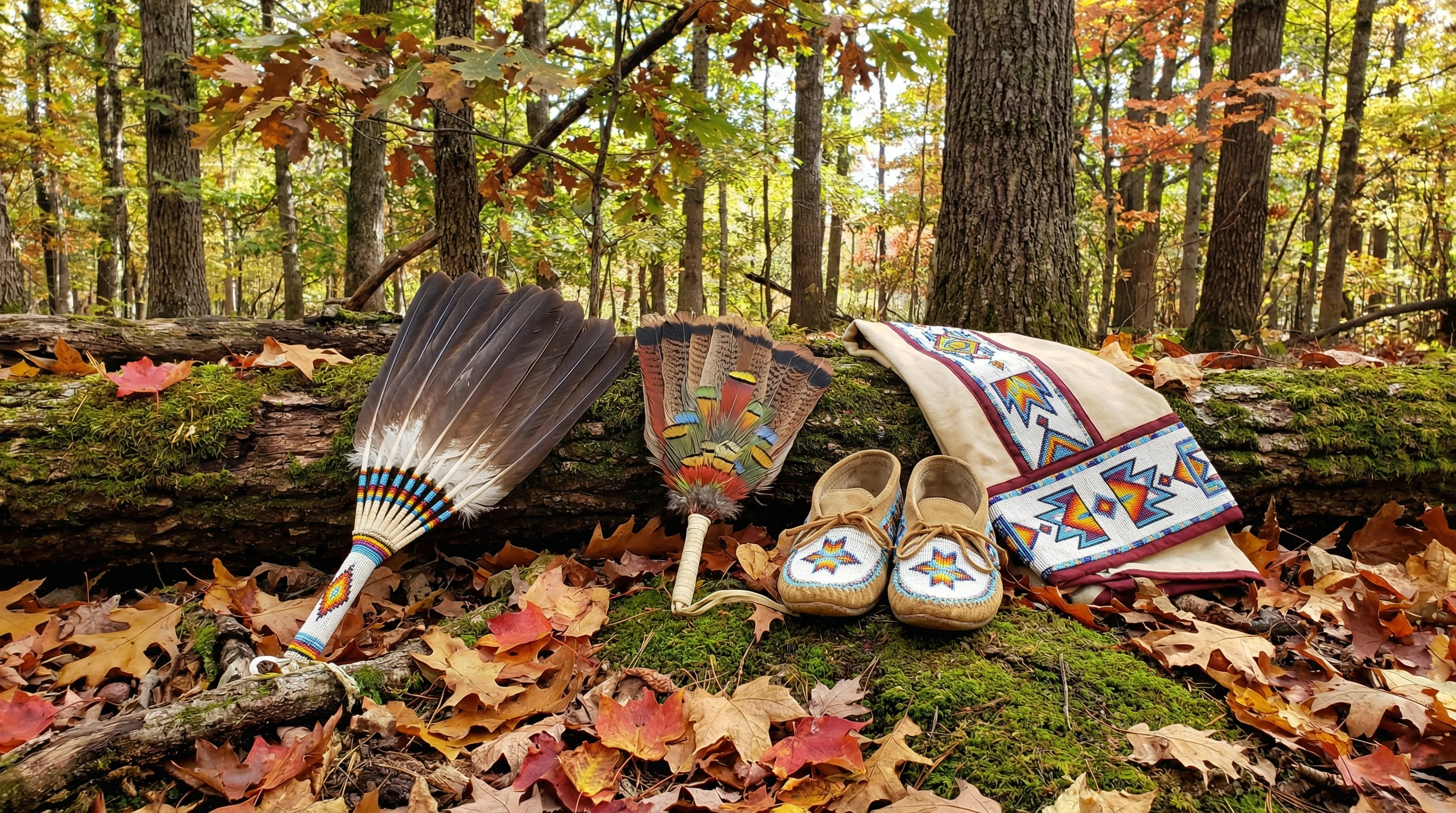
- Making Regalia: Sewing, beading, and creating dance outfits are a family activity for many. Elders teach techniques like quillwork or feather tying, weaving another layer of tradition into the dance and passing those skills down each generation.
- Storytelling: Between songs, emcees or elders might share the story or message behind each dance, making sure everyone remembers why dancing matters and what each dance represents. Storytelling helps bring newcomers into the fold and makes each performance personal and meaningful.
Cool Features of Different Tribal Dances
It’s wild how each tribe has their own way of moving, dressing, and using space:
- Jingle Dress Dance: Originating with the Ojibwe, this healing dance features dresses covered in metal cones that create a beautiful sound with every step. Dancers move in patterns that are said to promote health and spiritual wellness for both individuals and the broader community.
- Fancy Shawl Dance: Sometimes called the “butterfly dance,” it’s fast, athletic, and full of spinning, made possible by lightweight shawls covered in bright fringe. Dancers flip, spin, and leap, creating a visual of butterflies in motion and symbolizing transformation and new beginnings.
- Grass Dance: Dancers wear long ribbons or yarns that mimic grass blowing in the wind, a nod to the Great Plains where the dance started. Steps stomp down the grass before ceremonies, symbolically preparing the ground and honoring the land itself.
- Eagle Dance: Practiced by Southwestern tribes, this dance mimics eagle movements, showing respect for this important bird of prey. Dancers imitate soaring, swooping, and calling, emphasizing the eagle as a messenger and connection between earth and sky.
Each dance type has a unique song, dress, and set of steps, serving as a reminder of the diversity among Native peoples in the U.S. From region to region, the music and movement styles reflect different histories and worldviews, offering fresh insight every time you check out a new performance.
Final Thoughts
Dancing in American Indian cultures is never just about moving to music. It’s about roots, family, belonging, and respect for those who came before. Through each beat and song, Native American communities keep their identities strong and make sure the next generation can keep the traditions going strong, too.
Even if you don’t come from a tribal background, experiencing these dances with an open mind and respectful attitude will open your eyes to the resilience and vibrancy of Indigenous communities. Dance is one of those traditions that has survived, thrived, and continues to inspire, proving that culture can adapt and stay lively in every era.