
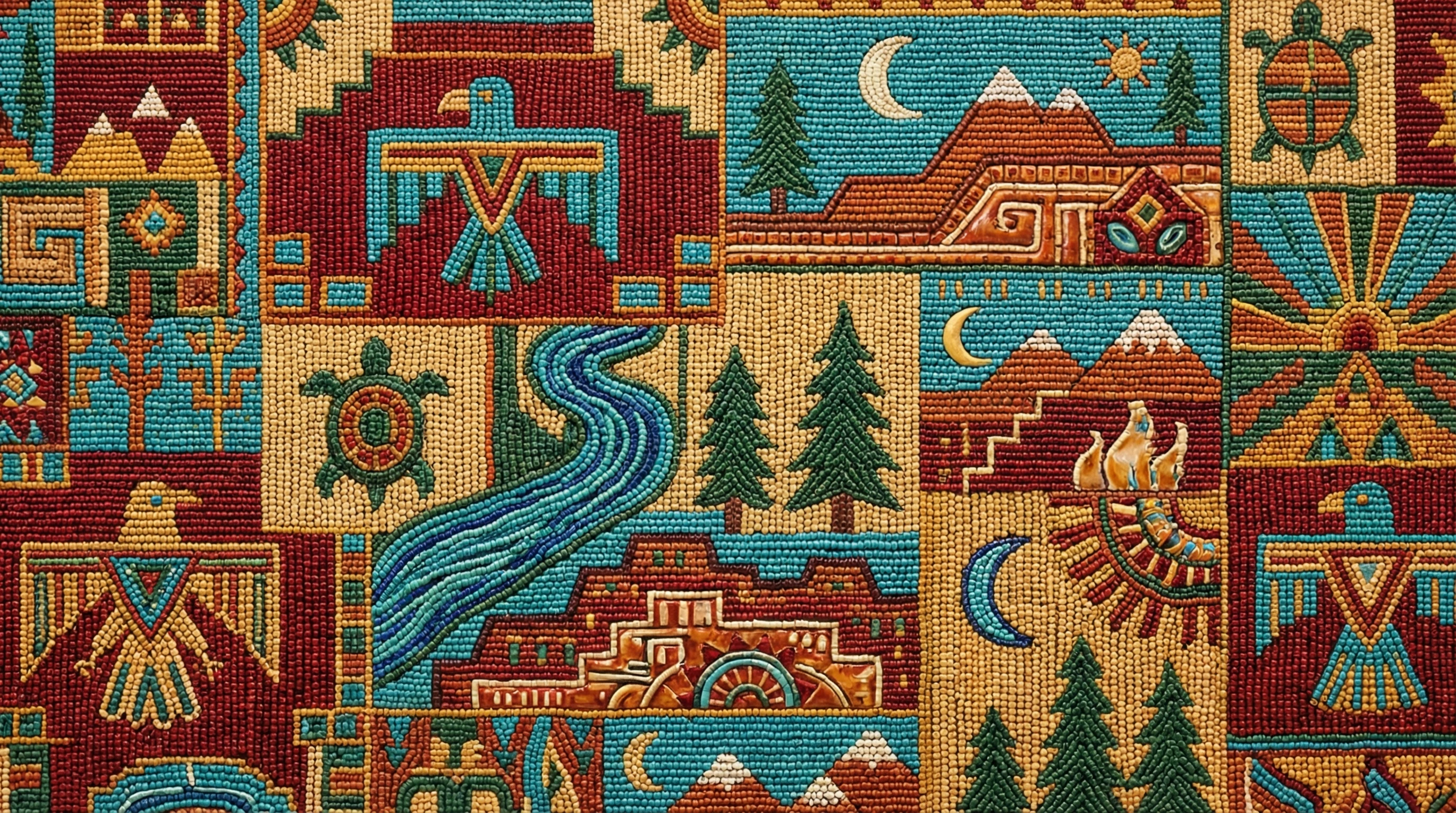
Nature weaves its way through every part of Native American culture, and you’ll see that reflected most strongly in the symbols that have been passed down across generations. Natural elements, like animals, water, plants, and the sky, are at the heart of most stories, art, and even daily life practices. These aren’t just pretty images or decorations. They carry a lot of meaning and can represent everything from family, strength, and protection to lessons for living a better life. If you’ve ever admired beadwork, pottery, or tribal blankets, you’ve probably seen these symbols in action. Here’s how these elements stand out, what they mean, and why they’re still so respected today.
The Role of Nature in Native American Symbolism
Symbols connected to nature are a key part of Native storytelling, belief systems, and tradition. Native Americans don’t separate themselves from nature; for many tribes, people are considered part of a bigger circle along with the animals, plants, and natural forces around them. That perspective comes through in the symbols you see everywhere, from totem poles in the Pacific Northwest to rock art in the Southwest.
The natural world provides more than just food and shelter; it offers wisdom, warnings, and even humor. Symbolism helps explain how the world works, how to solve problems, and how to pay respect to the earth. You’ll often hear about the “Four Directions” (North, East, South, and West), which tie into seasons, spiritual guardians, and even different stages of life. These points alone show how deeply nature runs through the core values of Native cultures.
Common Nature Elements and Their Symbolic Meanings
Each tribe has its own take on which nature symbols matter most, but some nature elements show up again and again. I’ll break down a few of the most recognized ones and what they mean in everyday life and in traditional stories.
- Animals: Bears, eagles, wolves, turtles, and snakes all have their place. For example, the eagle is widely seen as a messenger connecting humans to the spirit world, while the bear is often viewed as a symbol for protection and inner strength.
- Plants: Corn, sage, cedar, and tobacco aren’t only food or medicine; each one carries strong spiritual ties. Corn, known as “mother” in several tribes, stands for sustenance and the gift of life, while sage is considered a purifier and protector in ceremonies.
- Water: Rivers, lakes, and rain bring more than just physical survival. They’re associated with life, cleansing, and sometimes transformation or rebirth. Many healing rituals use water, and you’ll see water symbols on pottery and jewelry.
- Mountains and Rocks: Mountains can symbolize a connection to ancestors or a place of vision and power. Certain rock formations are even believed to be the resting places of spirits or origin points of a tribe.
- Sky and Celestial Bodies: The sun, moon, and stars often guide timekeeping, planting, and important ceremonies. The sun might represent growth and the cycle of life, the moon can signify renewal, and the stars help tell stories or track migrations.
Symbolism in Native American Art and Artifacts
If you get the chance to look at Native American art up close, such as blankets, baskets, pottery, and jewelry, you’ll spot patterns inspired by nature. These aren’t random designs; they almost always have a purpose. For example, a zigzag line might show the movement of rivers or snakes, while twined or concentric circles could call out the earth’s cycles.
Totem poles tell whole family histories by stacking animal symbols on top of each other, each representing different values or traits. Petroglyphs and pictographs carved or painted onto canyon walls might show water, the sun, or specific animals important to that region’s people. Even small things like the feathers on a dreamcatcher carry meaning; each feather might honor a bird believed to watch over the family.
How Nature Elements Shape Stories and Teachings
Nature-based symbols aren’t limited to objects you can hold. They’re the characters in creation myths and moral tales that get told and retold at gatherings and ceremonies. These stories are a pretty fun way to pass down lessons about respect, bravery, teamwork, and surviving tough conditions.
Take the story of “Coyote,” who’s a trickster figure in many Western tribes. He usually gets into trouble but also teaches important lessons. Or the legend of the Great Turtle, whose back forms the land on which people live. Through these stories, natural elements become teachers and guides, not just background scenery. Even the way a story is told, starting with the four directions or the arrival of rain, keeps listeners aware of their relationship with the environment.
Key Considerations When Checking Out Native American Nature Symbols
Jumping into the world of Native American symbolism is rewarding, but there are a few things to keep in mind for anyone researching or appreciating these designs:
- Tribal Differences: The meaning behind a symbol can change completely from one tribe to another. A bear in one tradition might stand for family, while in another it’s about medicine and healing.
- Context Matters: Symbols often have more than one meaning, depending on where you see them and what story they’re tied to. Using them in the wrong context can actually be disrespectful or confusing.
- Respect and Appreciation: Many of these symbols are considered sacred, and it’s important to understand when and how it’s okay to use or display them, especially if you’re not Native yourself.
- Oral Tradition: Not all symbols are written down or drawn. Some are passed on by elders through storytelling, and their full meaning might only be shared with people inside the community.
Animals: Getting Into Their Symbolism
Different animals carry specific lessons and reminders. I’ve put together a quick reference for a few animals you’ll run into most often:
- Eagle – Messenger, spiritual vision, courage.
- Wolf – Loyalty, intelligence, teamwork, and guidance.
- Bear – Strength, protection, wisdom.
- Turtle – Longevity, patience, stability.
- Snake – Change, rebirth, healing.
It’s always worth checking which traits connect to which tribe because meanings do switch up by region. More on that can be found from local Native centers or museum resources, like the National Museum of the American Indian.
Plants and the Power of Healing
Plant life isn’t just background either. If you ever take part in a smudging ceremony, you’ll see sage or sweetgrass at the center. Sage, cedar, and sweetgrass are used for cleaning out negativity, honoring ancestors, and marking new beginnings. Tobacco holds a really important place as a ceremonial offering or for sending prayers. Each plant, from cactus to berry bush, can mark a season, a celebration, or even a major life event. In some traditional songs and dances, plant imagery is used to call on the power of growth and renewal, or to celebrate the cycles of harvest and sustenance. Even stories told around the fire reflect on how certain plants saved communities during hard times, reminding everyone of nature’s gifts and resilience.
Water, Land, and Sky in Everyday Life
People rely on rivers and lakes for food and travel, but water also represents flexibility and the flow of life. During droughts or tough seasons, water ceremonies might be performed to ask for rain or blessings from nature spirits. Mountains in the West and Canada are more than just landmarks; they’re the backbone of origin stories and visions. Meanwhile, the cycles of the moon and sun help track harvests, hunting trips, and spiritual celebrations all year long. In modern ceremonial gatherings, participants might sing songs to the sky or offer gifts of water to express gratitude for life-sustaining resources. These practices highlight the ongoing relationship Native communities maintain with their surroundings, honoring nature not just in stories but in daily acts of respect and remembrance.
Using Nature Symbols Today
Nature symbolism still thrives in Native communities and is slowly being recognized more widely. You’ll see contemporary Native artists mixing traditional patterns into modern art, or powwow dancers wearing regalia patterned with animal and plant motifs. Even younger generations, who might live far from their ancestral lands, use these symbols as a way to stay connected to their roots.
If you’re interested in learning more or even collecting Native-inspired art, finding artists from the community or checking out Native-run museums is the best way to go. Guidance from tribal members or online archives from cultural organizations can add a lot of context to the symbols you see and help you appreciate their full story. By participating in community classes or cultural festivals, people can also get involved with traditional arts, gain firsthand insight, and support the ongoing legacy of Native artisans and keepers of tradition.
Frequently Asked Questions
Curiosity about Native American nature symbols is pretty common, and I hear a lot of the same questions from folks looking to learn more.
Question: Why are animal symbols so common in Native American culture?
Answer: Animals often hold a spiritual connection and offer valuable lessons or serve as guides in different stages of life. They show up a lot because they’re such an important part of day-to-day living and belief systems.
Question: How can I find out what a specific symbol means?
Answer: Reaching out to tribal educators or reputable museums helps a lot. Keep in mind that meanings can mix it up between tribes, so checking multiple sources is always a good idea.
Question: Is it okay for non-Native people to use Native nature symbols in art or jewelry?
Answer: It’s best to approach this with respect. Supporting Native artists directly and learning about the meanings and origins of symbols can help avoid cultural appropriation. Asking questions and listening to community guidance show genuine interest and care for tradition.
The Bottom Line on Nature Symbols in Native American Culture
Nature elements are tightly woven into the fabric of Native American life and thought. They connect people to their families, communities, and even past generations, all while passing down lessons about living with respect for the earth. Whether you’re admiring beadwork, reading a creation story, or walking through a landscape that inspired myth, remembering the meaning behind the symbols adds a whole new layer of appreciation. For deeper learning, connecting with Native educators and artists can offer real insight into the stories these symbols continue to tell today.