
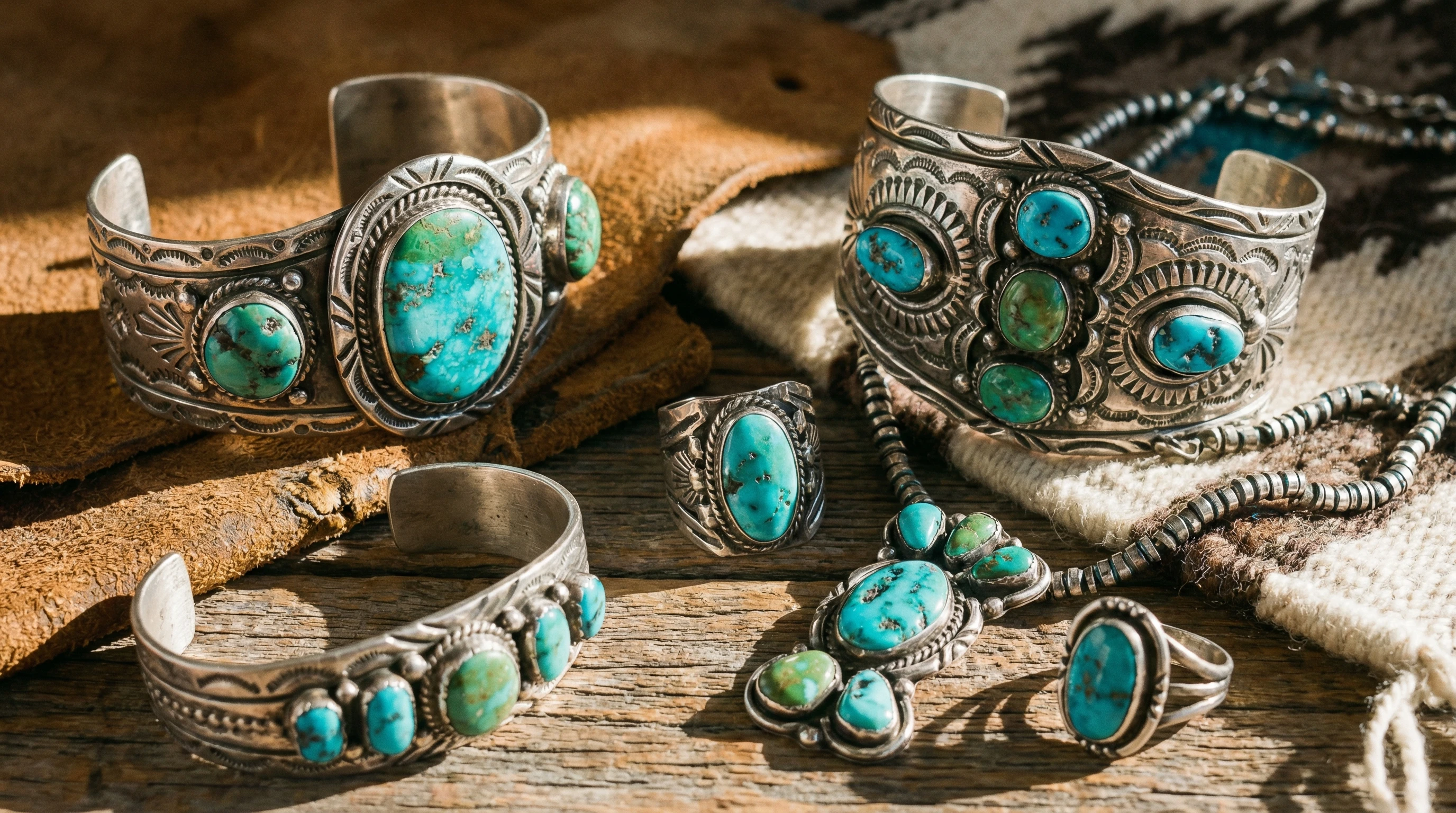
Native American jewelry is way more than just eye-catching beads, turquoise, and silver. It’s actually a powerful way of expressing culture, identity, and resilience. Every cuff, pendant, and set of earrings carries history and meaning you can feel when you hold it. If you’re curious about which modern and traditional artists are behind these beautiful creations, I’ll walk you through some incredible Native American jewelry artists you’ll want to know.
Why Native American Jewelry Matters
Jewelry making is a deeply rooted tradition within many Native American tribes, going back thousands of years. What’s really cool is how each piece often has distinct styles and techniques from tribes like Navajo, Hopi, Zuni, and more. Owning or admiring Native American jewelry isn’t just about fashion; it connects you to centuries of storytelling and soulful creativity.
The value of these works isn’t just in the materials (though turquoise, jet, coral, and sterling silver aren’t cheap). It’s also in the time, care, and expertise each piece requires. According to the Indian Arts and Crafts Board, fake “Native-style” jewelry from overseas has flooded the market, making it super important to know and support real artists who carry these traditions forward. When you know who you’re buying from, you’re not only getting beautiful art, you’re supporting cultural survival and authenticity (Source).
When you hold a piece of genuine Native jewelry, you’re linked to a much bigger story. Artists pass down their skills through generations, learning techniques that date back hundreds or even thousands of years. It’s about family, community, and honoring the land from which stones and metals are sourced. This direct connection to cultural heritage is something you just can’t get from mass-produced pieces.
Key Tribal Styles and Traditions
If you’re new to Native American jewelry, it’s good to have a sense of some major tribal styles. Each region and tribe brings something unique:
- Navajo: Well known for chunky silverwork, large turquoise stones, and bold, statement necklaces.
- Zuni: Famous for intricate stone inlay (petit point and needlepoint), creating detailed patterns in bracelets, rings, and pins.
- Hopi: Recognizable by their overlay technique, with clean, graphic designs that are heavily symbolic.
- Pueblo and others: Use of shell, colorful stones, and clay, often seen in stringed necklaces and traditional regalia jewelry.
Understanding these basics helps when you spot work at markets, galleries, or online; certain elements can clue you in to the artist’s culture and technique.
For instance, Navajo silversmiths are known for their bold use of turquoise and silver, making each item a strong personal statement. Zuni artists take a delicate approach, blending stones into intricate mosaic-like patterns. Hopi pieces often display symbolic motifs related to stories that have been told for centuries. Pueblo jewelry embraces earthy materials and often includes symbols of nature, rain, and bounty.
Native American Jewelry Artists to Know
There are dozens of standout artists working today (and in recent decades), but here are some personal favorites whose work really makes an impression, whether you’re a long-time collector or brand new to Native jewelry:
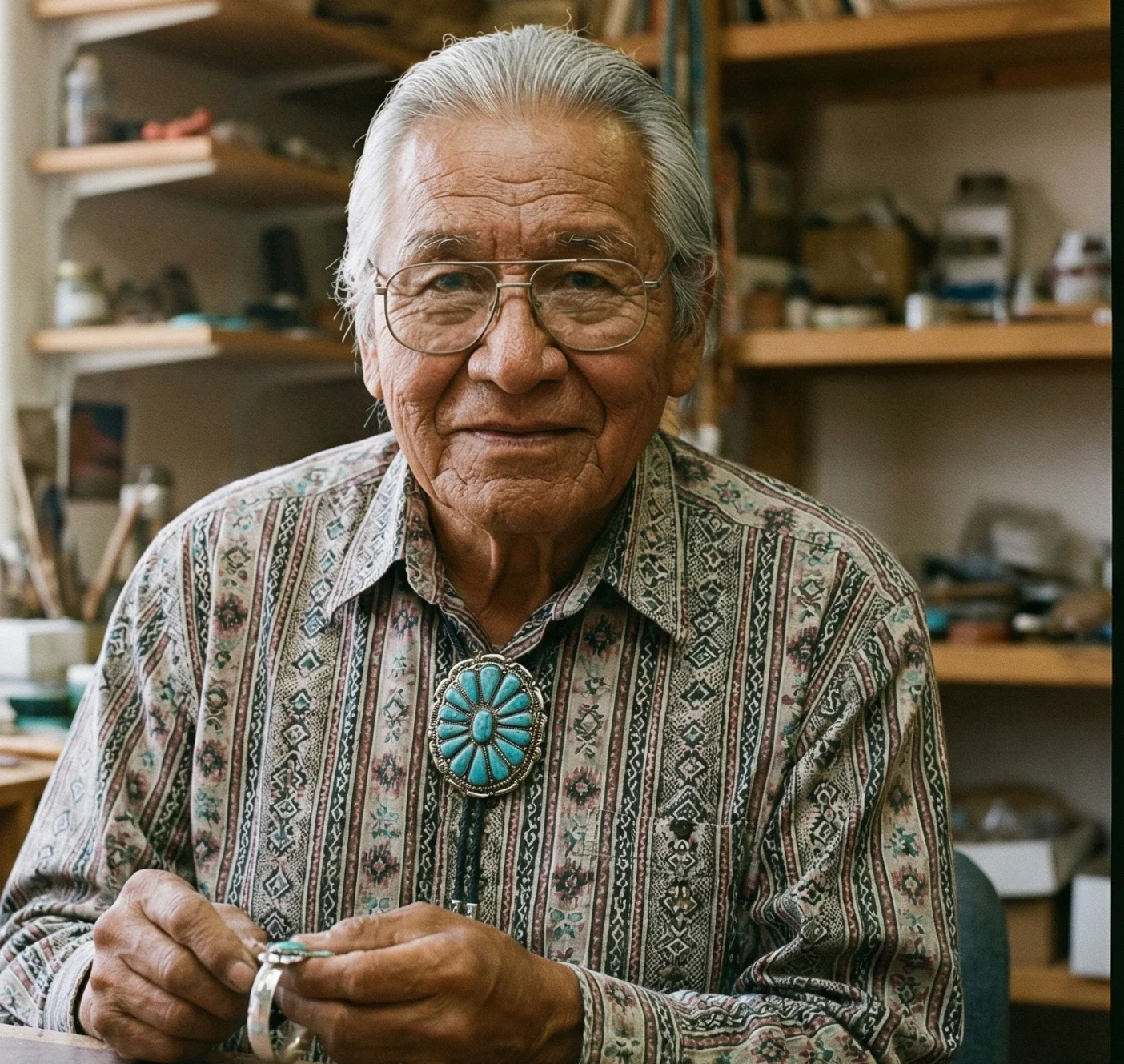
- Charles Loloma (Hopi, 1921–1991): One of the best known Native jewelers, Loloma revolutionized Southwest jewelry by blending traditional Hopi techniques with a modern, sculptural style. He worked with gold as well as silver and loved bold stone combinations like lapis, turquoise, coral, and even wood. His cuff bracelets and inlay rings are breathtaking.
Experience tip: When I first saw a Loloma inlay bracelet at a Native art show, the vibrant mix of stones looked almost like a miniature landscape.
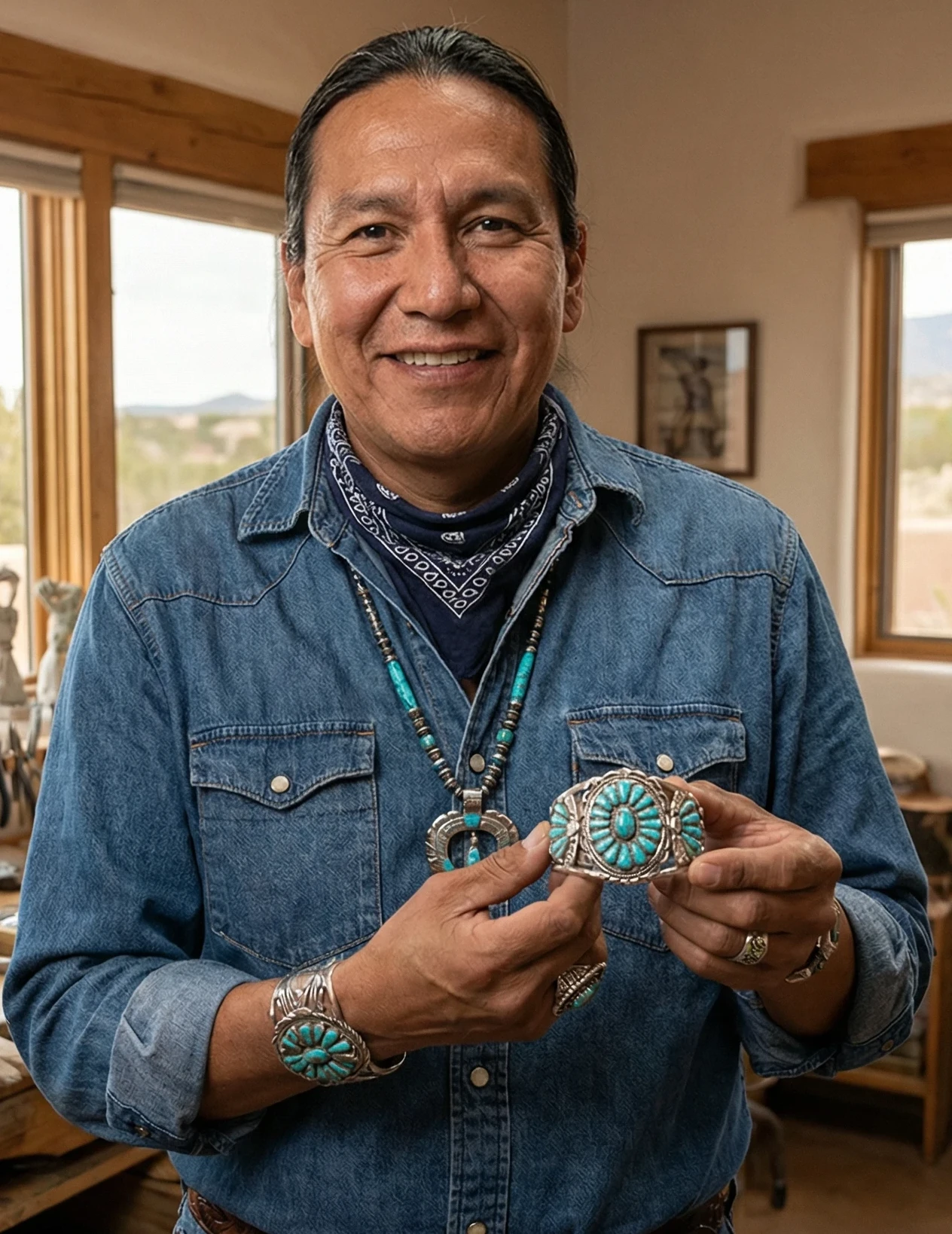
- Fritz Casuse (Navajo): Casuse is respected not just for technical mastery but also for jewelry that tells stories. His designs echo the landscapes, myths, and daily life of the Navajo Nation. He’s known for sterling silver, geometric settings, and unique combinations like fossilized ivory or dinosaur bone with turquoise. Casuse’s ability to weave symbolism into modern forms stands out in today’s jewelry scene.
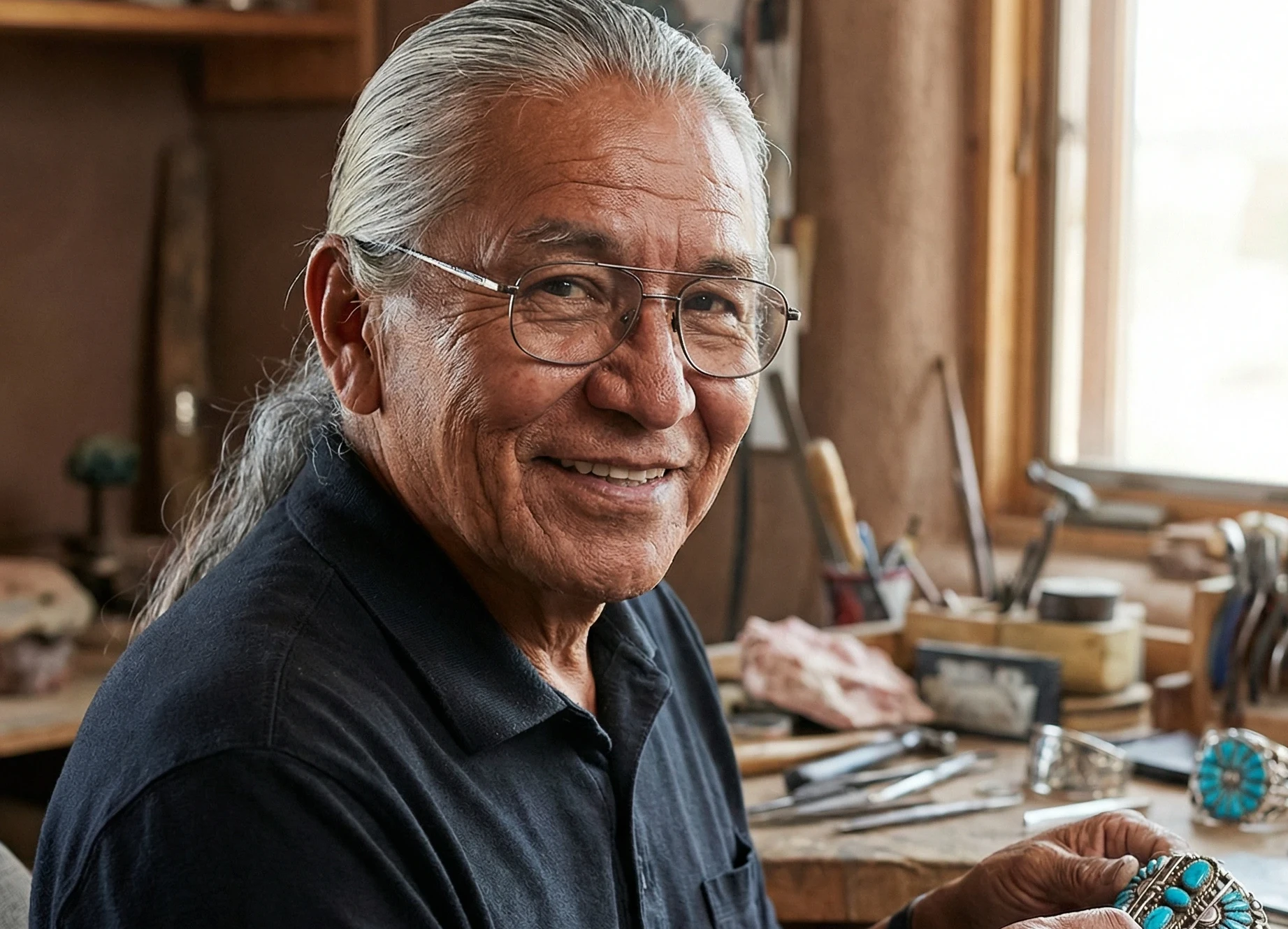
- Darryl Dean Begay (Navajo): Begay creates jewelry rooted in Navajo mythology and sandpainting imagery, with heavy emphasis on texture and symbolism. His rings and pendants often feature raised relief work, detailed landscapes, and sacred figures.
Experience tip: At Santa Fe Indian Market, seeing one of his bear pendants in person, I noticed how even the back of the piece was finished with as much care as the front.
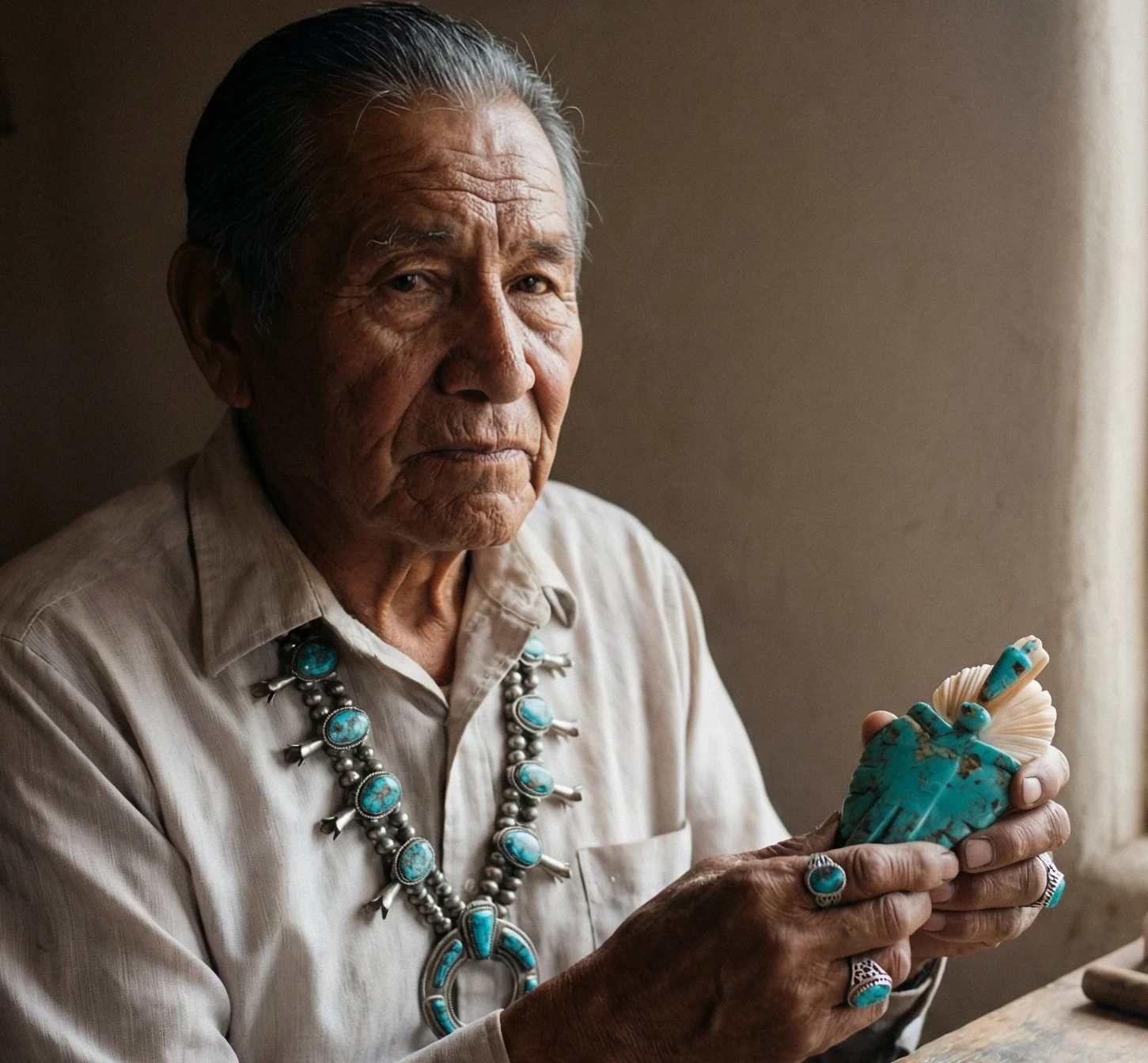
- Leekya Deyuse (Zuni, 1889-1966): A foundational figure in Zuni jewelry, Deyuse specialized in carving turquoise bears, frogs, and birds that would be set in rings or necklaces. His work set the standard for figural jewelry that’s playful but deeply spiritual.
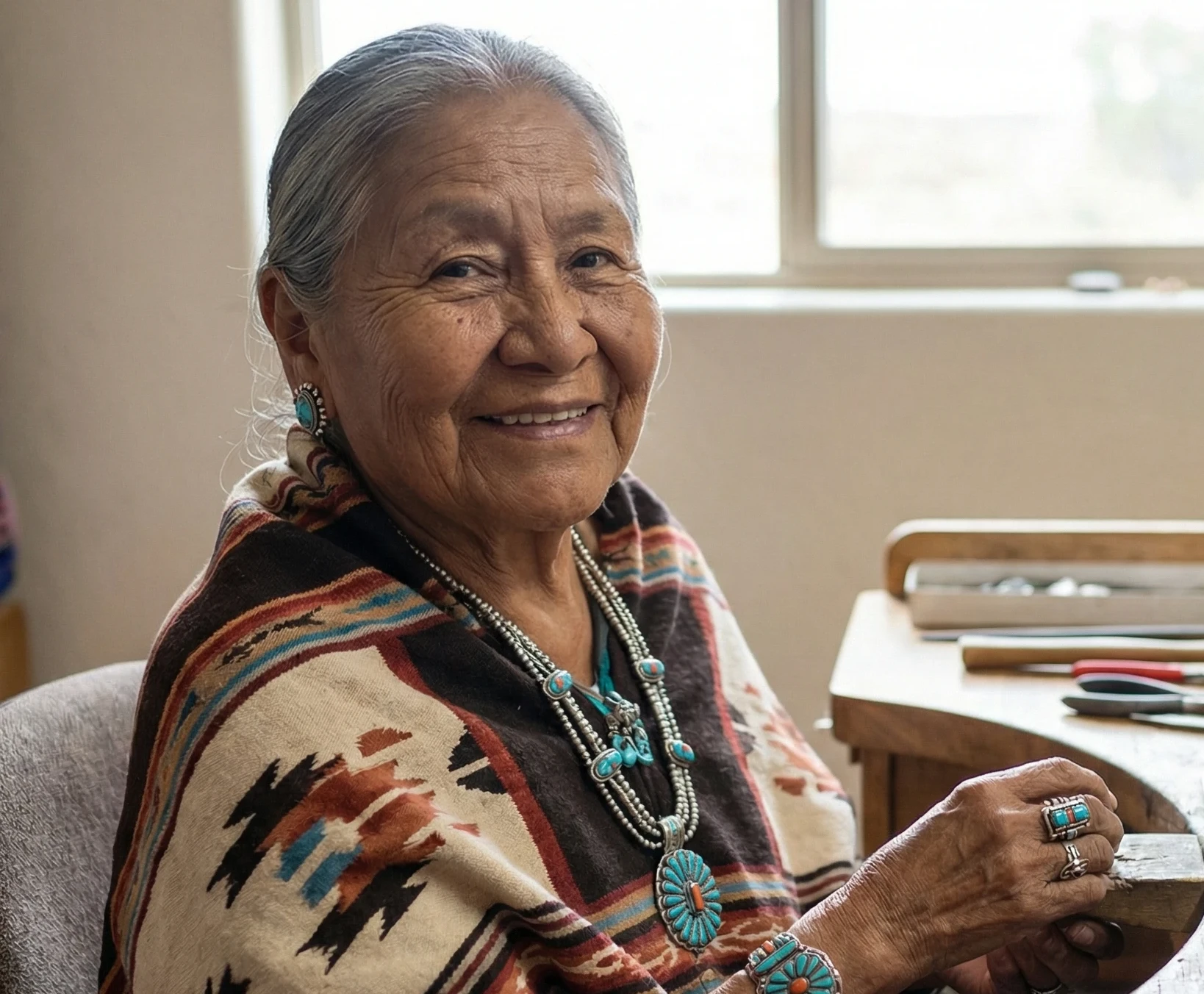
- Verma Nequatewa aka Sonwai (Hopi): Nequatewa studied under her uncle Charles Loloma and developed her signature style, focusing on gold, colorful gemstone inlays, and gracefully minimalist lines. Each of her pieces is one of a kind, pushing the boundaries of tradition while maintaining a deep respect for her roots.
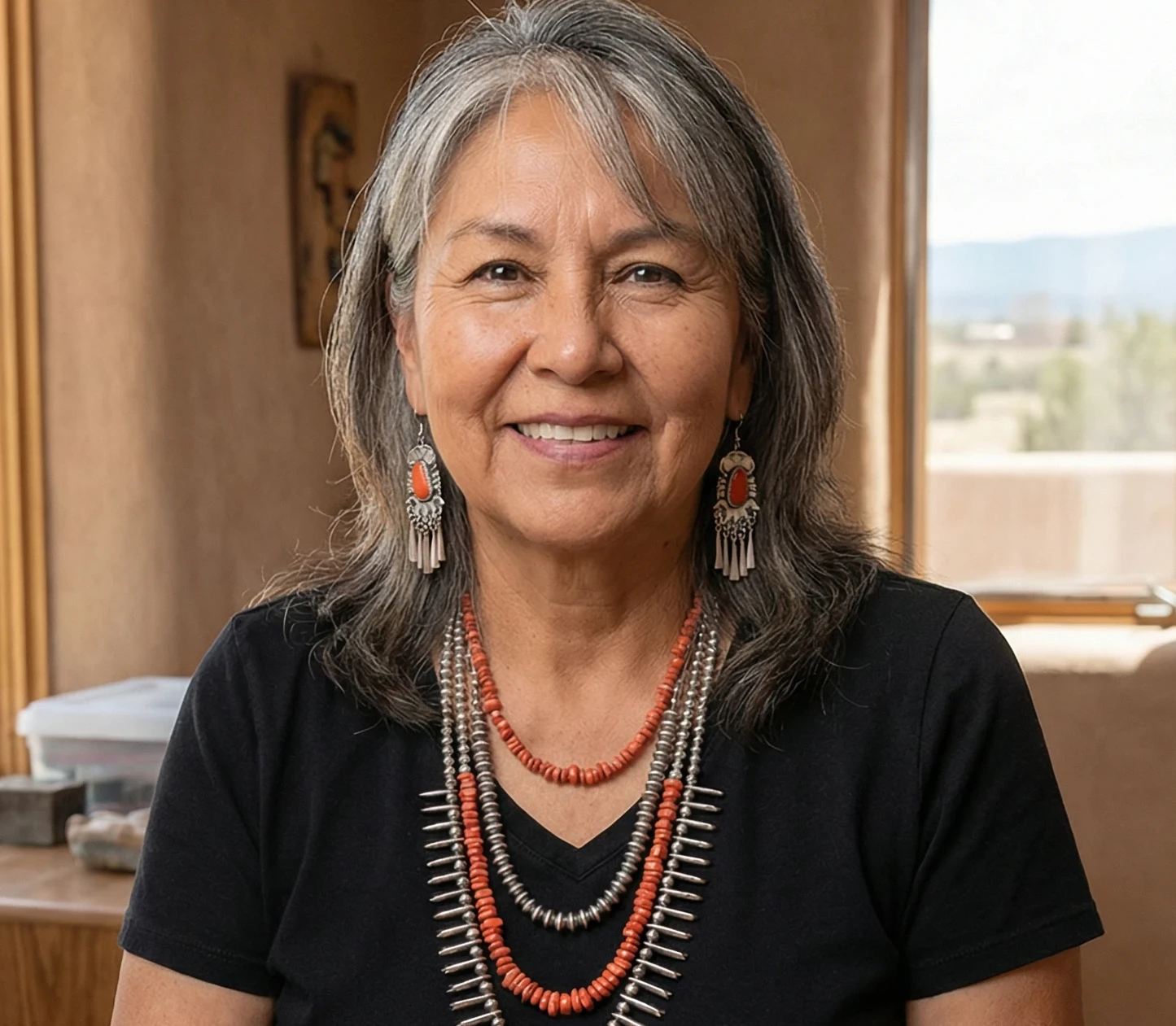
- Jolene Eustace (Pueblo, Cochiti): Eustace’s pieces often blend silver and gold with semiprecious stones. What I like about her work is the subtle use of earth-based colors and patterns inspired by Pueblo pottery and storytelling traditions. She often references themes of water, life, and harmony with the natural world.
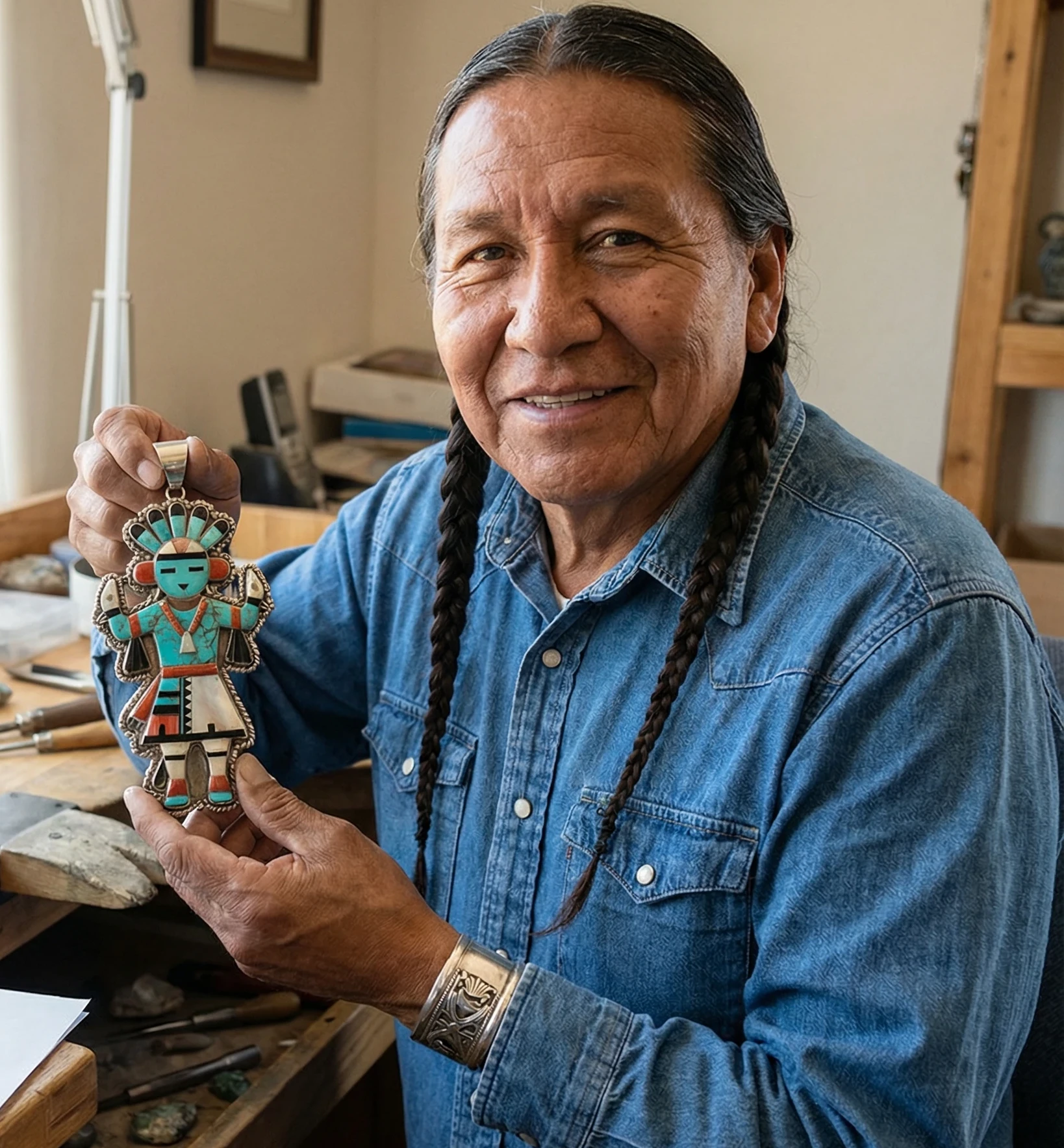
- Jesse Monongya (Navajo/Hopi): Famed for his “Shalako” inlay pendants, Monongya mixes diamonds, lapis, turquoise, coral, and even meteorite slices, making wearable art that’s both luxurious and grounded in heritage.
These artists bring personality and personal stories to their works, which always adds depth. Whether you are a seasoned jewelry fan or just getting started, paying attention to their creations can open your eyes to new styles and cultural narratives.
How to Identify Quality and Authenticity
With so much imitation jewelry in circulation, spotting the real deal is pretty important, especially if you plan to collect, gift, or invest. Here are some easy signs of authentic Native American jewelry:
- Materials: Most authentic pieces use real turquoise, coral, jet, spiny oyster, and solid sterling silver or gold. Piece feels weighty and looks well made up close.
- Maker’s Mark: Legitimate Native jewelry often carries a stamped hallmark on the back with the artist’s initials or signature. Beware of generic “Indian” or “sterling” marks alone with no other identifiers.
- Technique: True handcrafted jewelry tends to have slight variations; no two needlepoint Zuni rings, for example, are truly identical. If it looks too perfect and mass produced, it probably is.
- Source: Buy directly from the artist, trusted galleries, or marketplaces affiliated with groups like the Indian Arts and Crafts Association. Many artists have their own websites or social media shops.
If you’re curious, the Indian Arts and Crafts Board has a handy guide on buying authentic jewelry (Source).
Don’t be shy about asking the maker or seller about the story behind a particular item. Knowing where and how it was made builds a deeper connection to your jewelry and supports ethical shopping.
Tips for Starting Your Collection or Gifting Native Jewelry
Shopping for Native American jewelry feels a bit different from picking out modern accessories at the mall. Here’s some advice for new buyers and gifters:
- Look for meaning, not just beauty. Many pieces have stories or symbols representing strength, protection, family, or spirituality.
- Ask questions. Especially at markets and shows, artists are usually happy to talk about inspiration, materials, or techniques.
- Budget for unique pieces. Handmade Native jewelry can be pricey, but the quality, time, and artistry are worth it. Simple silver rings or turquoise pendants start around $50 to $150, while statement cuffs or inlay necklaces can go into the thousands.
- Honor traditions. Be respectful; Native jewelry isn’t just decoration for festivals or Halloween costumes but comes from genuine cultural practice.
Consider starting small and working your way up. Look for versatile items—like small earrings or single-stone pendants—that you can wear daily. Over time, you’ll develop a taste for particular artists or motifs. If you’re gifting, learning about the recipient’s interests and finding a piece that connects to their personality makes for a memorable present.
Challenges and Opportunities for Native Jewelry Artists
Modern Native American jewelers face challenges like protecting their intellectual property, fighting off copycats, and steering through the tension between tradition and thinking outside the box. Many use social media to reach global audiences, which is pretty handy for buyers, too. Younger artists often blend pop culture, contemporary art, and activism with traditional craftsmanship.
Supporting Native jewelry makers directly helps keep these traditions alive and encourages younger generations to keep learning and teaching their skills. The Santa Fe Indian Market and the Heard Museum Guild Indian Fair are two big events where you can meet artists and see their work up close (Santa Fe Indian Market).
By shopping authentically and spreading the word, you help Native artists grow their reputation and ensure their family’s stories continue into the future. Native jewelry is in the middle of a big glow-up, becoming more visible in the international art and fashion world and gaining collectors from all backgrounds.
Frequently Asked Questions
Question: How can I tell if a piece of Native American jewelry is authentic?
Answer: Check for the artist’s hallmark or signature, ask the seller about the maker and materials, and buy from well known galleries or directly from the artist. Anything labeled “Native-style” or suspiciously cheap probably isn’t genuine.
Question: What are the main materials used in Native American jewelry today?
Answer: Traditional favorites include turquoise, coral, jet, shell, and different types of stone combined with sterling silver or gold. Some contemporary artists use diamonds, meteorite, or even reclaimed materials.
Question: Is it appropriate to wear Native American jewelry if I’m not Native myself?
Answer: Absolutely, as long as you do so with respect for the makers and the culture. Supporting Native artists and learning about the meaning behind pieces shows real care and appreciation.
Final Thoughts on Native American Jewelry Artists
Native American jewelry isn’t just stylish; it’s packed with meaning, history, and personality. Whether you’re jumping in to start a collection, choosing a special gift, or simply admiring artistry, knowing about the leading artists and real traditions adds so much value to the experience. Supporting authentic makers helps ensure this cultural tradition keeps thriving for future generations to enjoy and cherish. The next time you see a stunning turquoise bracelet or intricately inlaid pendant, remember: you’re looking at a piece of living culture, shaped by skilled hands and generations of creativity. If you ever get a chance to attend a Native art market or visit a local gallery, jump at the opportunity—you may stumble upon a favorite artist, strike up a conversation, and end up with a story as precious as the piece itself.