
Exploring the origins of the Cherokee people takes you on an adventure through deep time, fascinating oral traditions, archaeological mysteries, and the twists and turns of written history. The story isn’t set in stone; plenty of debates still surround where the Cherokee came from and how their culture formed and thrived in the Southeast of what is now the United States. I’m here to get into what current research and Cherokee oral traditions suggest about their ancestry, migration, and the shaping of their unique identity.
The Cherokee in the Modern Imagination
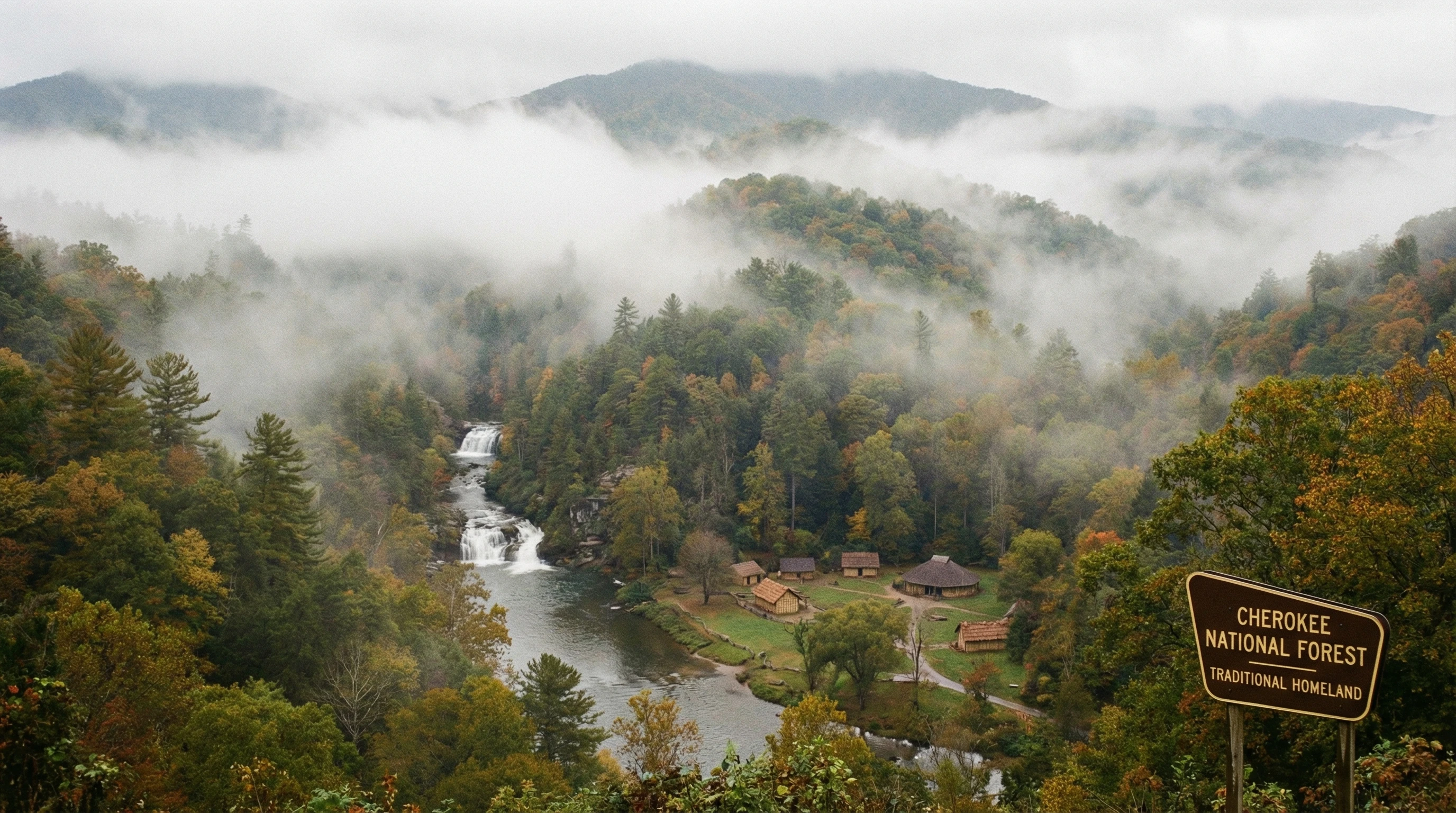
The Cherokee are often connected with the Appalachian Mountains, rolling valleys, and forests of the southeastern United States. This region, which now covers parts of North Carolina, Georgia, Tennessee, and Alabama, is considered the historical homeland of the Cherokee people. Over the years, popular images coming from books and movies haven’t always reflected reality, but there is much more to their story than what you usually see in the mainstream media.
Most folks know the Cherokee because of their powerful role in American history, especially around the period of forced removal known as the Trail of Tears in the 1830s. But their origins go much further back, long before written records, drawing from archaeology, genetics, and oral tradition. Getting deeper into their beginnings helps clear up some common stereotypes and shines a light on their enduring resilience as well as cultural creativity.
Stories of the Cherokee do not exist in a vacuum; rather, they’re woven into the larger histories of Native peoples across North America, revealing connections to neighbors through trade, alliances, and shared ceremonial life. To really get a sense of their story requires looking at evidence from multiple sources.
Unpacking Cherokee Oral Traditions and Migration Stories
The Cherokee have a long tradition of passing down their history through stories, songs, and teachings—what’s widely known as oral history. According to these traditions, their stories place their oldest origins in the southern Appalachian region. Many Cherokee describe having always lived in these lush mountains and river valleys, tracing their ancestry to a time before recorded memory.
Elders often talk about ancient migrations. Some versions mention movements from far to the north or from areas to the west, suggesting a lengthy wandering before finally settling in the Southeast. Others say the Cherokee have always been rooted in their Appalachian homeland since the beginning of time. Oral histories don’t always line up with archaeological or linguistic evidence, but they offer powerful connections to place that shape Cherokee identity even today.
These traditions also reflect the way stories were shared from generation to generation, keeping community identity alive. They help explain relationships with the land, animals, and neighboring tribes—adding a rich layer to the story that archaeology or written records sometimes miss.
Archaeological Evidence: Fact-Checking the Ancestors
To piece together ancient history, archaeologists rely on tools, pottery, mound structures, and traces of ancient villages. In the Southeast, archaeologists have found large earthwork mounds and evidence of settled villages dating back thousands of years. Places like the Etowah Indian Mounds in Georgia and towns from the Mississippian period point to advanced societies that were already thriving long before European contact.
Some archaeologists connect the Cherokee to the Mississippian culture, famous for building mound centers between roughly 800 and 1600 CE. These societies farmed corn, formed plazas, and traded goods across long distances. There’s still debate about whether the Cherokee are the direct descendants of the Mississippian people or if they arrived later; however, the archaeological finds show deep roots for organized societies in Cherokee country long before colonization.
What’s Known and What’s Speculation
Pottery styles and moundbuilding practices support a local cultural change over time. Yet, not everything fits exactly with the earliest Cherokee villages described in 1700s records. What most experts do agree on is that by the time Europeans arrived, the Cherokee were living in large, developed towns with councils, agriculture, and sophisticated political systems. These archaeological clues show a culture that evolved over generations, either through migration or slow local adaptation.
Recent archaeological work also points to the importance of river valleys and trade routes, suggesting the Cherokee both influenced and were influenced by neighboring tribes. Evidence of imported materials found in mound sites shows their participation in trading networks that stretched hundreds of miles.
Linguistic Clues: Language Tells Its Own Story
The Cherokee language is a member of the Iroquoian language family, making it stand out in the Southeast. Most of the surrounding tribes, like the Creek and Chickasaw, use languages from entirely different families. This language puzzle has led several researchers to suggest ancient migration stories.
Iroquoian languages are found much further north, especially in parts of New York, Ontario, and Quebec—such as the Haudenosaunee (Iroquois Confederacy). That connection has led some anthropologists to think Cherokee ancestors may have migrated south a long time ago, parting ways with other Iroquoian-speaking groups. The Cherokee language, however, has grown in its own direction, and its place in the Appalachians hints at a lengthy period of separation. This evidence might not give us precise dates, but it reveals links deep in the prehistoric past.
Linguists study shared grammar and vocabulary within the Iroquoian family, helping track down points of separation between groups. But language alone can’t always tell us the full story of culture or movement—still, it’s a crucial piece of the larger puzzle.
European Contact and Written Records
The first direct European references to the Cherokee come from the late 1500s and 1600s, when Spanish and later English explorers met tribes of the Southeast. Early maps and travel journals describe Cherokee towns scattered across the southern Appalachians, usually along rivers and mountain valleys.
Writings from traders and colonists give us a glimpse of their society: numerous villages, strong leadership, and unique house designs. Cherokee towns were linked by a network of paths, and they played big roles in trading with neighbors both before and after contact. This era also shows the Cherokee picking up new goods, adapting quickly to changes, and making deals with neighboring peoples and, eventually, with Europeans.
These written accounts, while helpful, sometimes added their own biases. Still, between the lines, we see Cherokee society as complex and highly adaptable, using both negotiation and resistance to deal with the new realities of colonial life.
Major Challenges and Common Misconceptions
Tracing Cherokee origins isn’t easy. Conflicting stories, mistaken assumptions, and the disappearance of ancient clues make things confusing. Here are some of the main hurdles and myths:
- Written vs. Oral History: Early European records don’t always match what Cherokee elders remember. Respecting both helps build a truer picture.
- The “Mound Builder” Myth: Older, often racist ideas used to claim those big mounds couldn’t have been built by Native people like the Cherokee. Modern archaeology has proven that these are definitely part of Southeastern Native history.
- Ideas of a Fixed Homeland: The belief that the Cherokee always stayed isolated in their mountain homeland ignores centuries of change, movement, and connections with others.
Genetics and the Modern Conversation
Genetics has become another tool in figuring out the Cherokee story, but with some caution. Recent genetic studies suggest strong connections between the Cherokee and other Native American groups in North America. Still, genetic tests only tell part of the story; they can’t show language, tradition, or the meaning of home in Cherokee history. That’s why many Cherokee stress that scientific findings need to be balanced with oral tradition and community voices.
Cherokee Traditions That Shape Identity Today
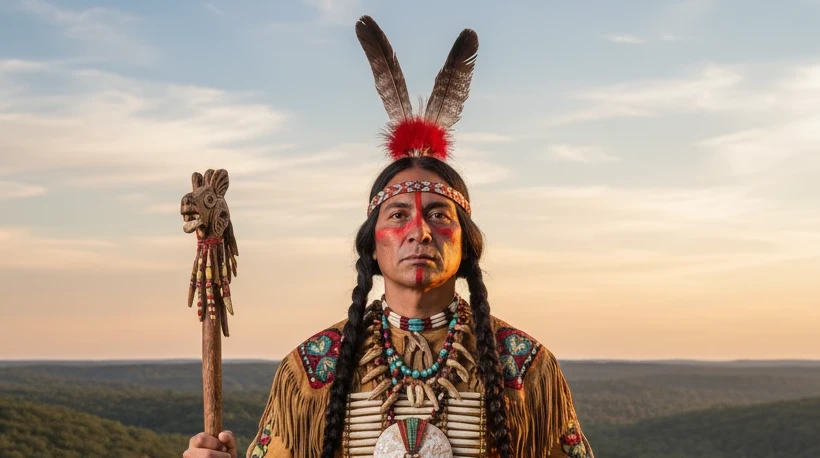
The Cherokee have held onto many old customs, tweaking them to fit changing times. Storytelling, farming with the “Three Sisters” crops (corn, beans, and squash), and seasonal ceremonies are still central in Cherokee communities.
Stories of the “Aniyvwiya,” or “Principal People,” are full of lessons about beginnings, values, and the land. These shared tales help connect Cherokee communities across time, uniting past, present, and future, even though the details of their earliest migrations or local changes are still up for debate.
- Cultural Ceremonies: Rituals and dances passed from generation to generation strengthen community ties.
- Crafts and Art: Basketweaving, pottery, and carving carry designs and symbols that go back hundreds of years.
- Language Revival: Cherokee language revival is going strong, especially with immersion schools and tribal-supported programs.
Modern Cherokee people also continue to advocate for their rights and recognition, reviving ceremonies and cultural practices that were at risk of being lost. Today, Cherokee festivals and community events are popular among both tribal members and visitors, spreading awareness of their living culture.
Frequently Asked Questions
Where did the Cherokee originally come from?
Research suggests the Cherokee developed locally from ancient Mississippian cultures in the Southeast or may have migrated south in ancient times, based on archaeological and language clues. Their oral traditions say they’ve always belonged to the Appalachian region.
Are the Cherokee related to other Iroquoian-speaking peoples?
Yes, their language is linked to northern Iroquoian languages, pointing to ancient ties, though it doesn’t give the complete story of how Cherokee culture grew and changed.
What’s the importance of mound sites in Cherokee history?
Earthwork mounds found across the Southeast are tied to the cultures that led up to the Cherokee. These sites were centers for religious, political, and social life long before Europeans arrived.
Looking Forward: Honoring the Past, Living in the Present
The origins of the Cherokee people are a mix of deep roots, migration stories, and a powerful sense of place in the Appalachians. Pulling together oral traditions, archaeological finds, and language evidence helps show their complex past more clearly. Learning about Cherokee beginnings isn’t just about old facts; it’s about honoring perseverance, adaptability, and an ongoing bond with the land that still shapes who they are. Knowing these origins encourages respect for today’s Cherokee people and the strength of their vibrant traditions.