
Native American spirituality is filled with symbols and teachings passed down through generations, but the Medicine Wheel is one that really sticks out to me. This ancient symbol isn’t just a piece of artwork; it’s a practical guide for harmony and balance in daily life. If you’re curious about indigenous traditions or looking for fresh ways to explore personal growth, learning about the Medicine Wheel can offer some pretty powerful insights. I’ll walk you through what the Medicine Wheel is, where it comes from, and how people use it today to find connection and meaning.
What Is the Medicine Wheel?
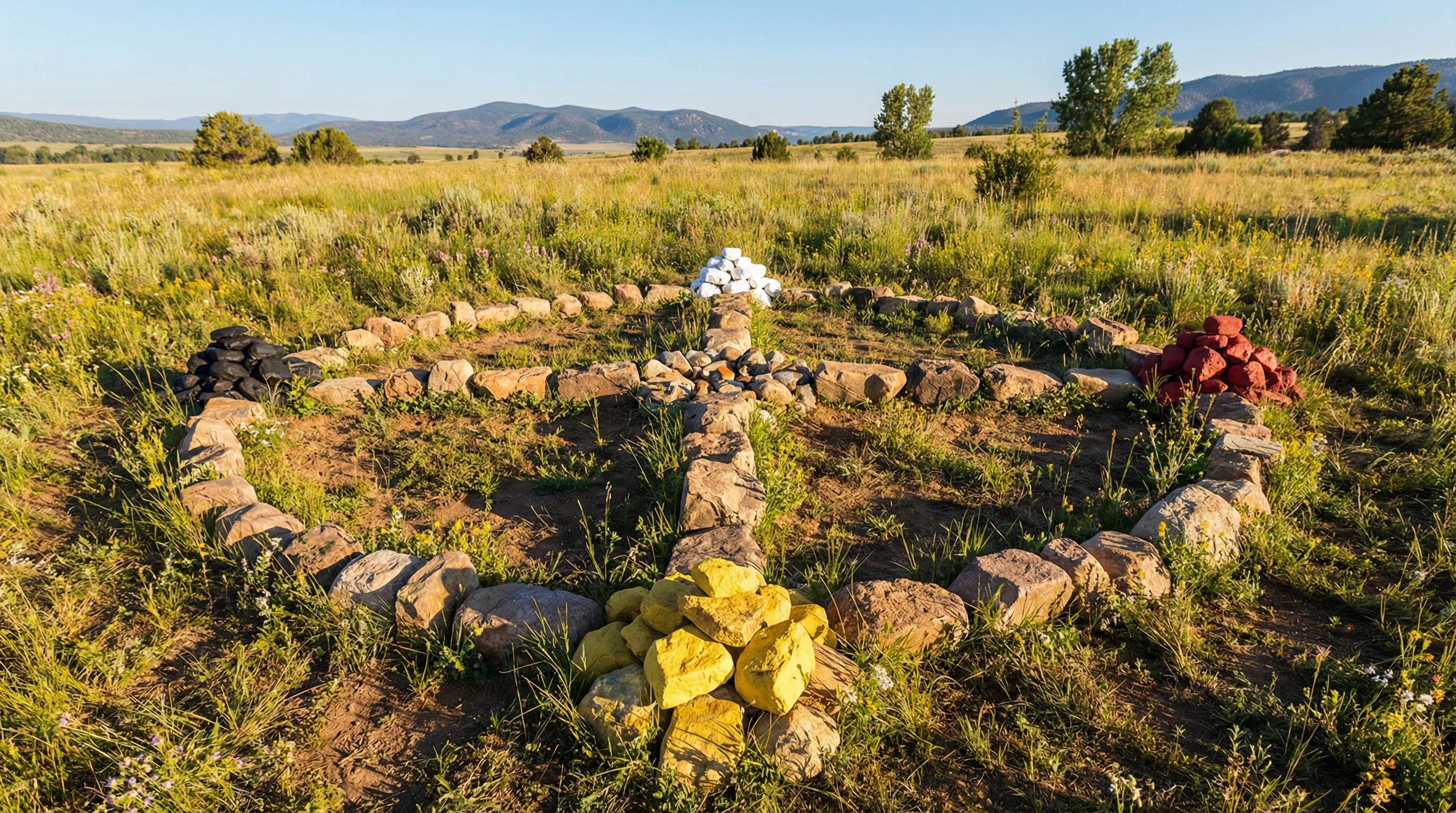
The Medicine Wheel is a circular symbol used by many Native American tribes across North America. Each tribe shapes its meaning a bit differently, but most share the idea of a circle divided into four main sections. These sections represent a bunch of things: directions, seasons, elements, parts of life, and even stages of personal growth. The circle itself stands for unity and the interconnectedness of all things. You’ll sometimes see Medicine Wheels drawn, painted, or even laid out with stones on the ground at sacred places.
There’s no single, official Medicine Wheel, but many share some basic similarities. For example, the Lakota, Cree, and Ojibwa all have their own versions. That’s a good reminder that the Medicine Wheel isn’t “one size fits all,” but it often reflects the land, stories, and teachings of the specific people who use it. Whatever the version, most Medicine Wheels encourage balance, respect, and the idea that everything in the universe depends on everything else.
The History and Origins of the Medicine Wheel
While the exact origins of the Medicine Wheel are lost in time, there’s evidence that these circles have been important for thousands of years. Archaeologists have found ancient stone Medicine Wheels scattered across the Great Plains, the Bighorn Medicine Wheel in Wyoming being one of the most famous. These wheels could have been used for rituals, ceremonies, or even as calendars to mark seasons or important solar events.
Oral histories add even more depth to these symbols. Elders from different nations share stories about how the Medicine Wheel teaches lessons about the cycles of life and how to live in harmony with the environment. People still gather at Medicine Wheel sites today, using them in similar ways: celebrating the seasons, healing, or finding guidance during big life changes. These ceremonies often foster a sense of community and help individuals feel a connection to the land, the ancestors, and each other.
Key Elements of the Medicine Wheel
No matter which tribe you learn from, a few ideas tend to show up again and again when talking about the Medicine Wheel. Here’s what I see as the core elements:
- Circle: Shows connection, wholeness, and that life doesn’t really have a beginning or end.
- Four Directions: North, East, South, and West. Each direction is tied to different qualities: think seasons, elements, colors, animals, and more.
- Balance: Reminds people that to be healthy or “well,” it’s important to keep everything: mind, body, heart, and spirit, in sync.
- Personal Growth: Ideas about progress and self-understanding are woven into every quadrant, helping guide people at every stage of their lives.
The Medicine Wheel also often includes teachings about respect for nature and the importance of relationships. Many traditions emphasize gratitude for what the earth provides and encourage people to honor their ancestors, family, and community.
Breaking Down the Four Directions
The four directions are probably my favorite part of the Medicine Wheel. Each one stands for a mix of teachings, gifts, and lessons. The details sometimes change from tribe to tribe, but here’s a pretty common breakdown:
- East: Associated with the sunrise, beginnings, spring, and illumination. This direction often links to ideas about new opportunities, learning, and optimism. The color yellow, like the morning sun, usually goes here.
- South: Connects to summer, warmth, youth, growth, and emotion. Red is the usual color. It’s a reminder to live with passion, but also to find kindness and belonging.
- West: Tied to the setting sun, autumn, maturity, and introspection. Black (or sometimes blue) is the typical color. It invites reflection, letting go, and deepening personal wisdom.
- North: Stands for winter, wisdom, old age, and clarity. White represents the snow and spiritual purity. People are reminded to draw on experience, show respect, and seek inner peace.
Some Medicine Wheel teachings add even more elements, such as animals (eagle, buffalo, wolf, mouse, for example), plants, times of life, or even feelings, to match their culture’s stories and local environment. This flexibility means the Medicine Wheel can adjust to fit the needs of different learning or healing circumstances.
How the Medicine Wheel is Used in Modern Times
The Medicine Wheel isn’t frozen in the past. Today, it plays a role in teaching, healing, and community building for many Indigenous people, and increasingly, others who appreciate its lessons. I’ve seen Medicine Wheel teachings show up in classrooms, counseling practices, addiction recovery programs, and even corporate teambuilding workshops. It’s pretty flexible, and the ideas are easy to apply even if you’re not an expert in Native traditions.
Some people use the Medicine Wheel as a personal guide. For example, you can reflect on which “direction” best matches what you’re going through in life. Are you starting something new? Maybe it’s time for “East” energy: curiosity and hope. Feeling burnt out? “West” might remind you to let go of old stress and give yourself space to recharge. Others may consult the Wheel periodically, especially during times of change, to remind themselves to look at all aspects of their life.
Things to Think About Before Using Medicine Wheel Teachings
The Medicine Wheel holds real meaning in many Indigenous communities, so it’s really important to approach it with respect. Here are a few things to keep in mind if you want to learn more or use these teachings for yourself:
- Respect traditions: The Medicine Wheel isn’t just a decorative symbol. Spend some time learning about its roots and, if possible, listen to teachings directly from elders or reputable Indigenous led sources.
- Cultural differences: There isn’t a single “true” Medicine Wheel. Every tribe or community might have their own stories and symbols that fit their land and people. What works for one group may not fit another.
- Personal meaning: You don’t need to copy an exact form. Many people are encouraged to adapt Medicine Wheel teachings so they make sense for their own adventure, as long as they stay respectful.
- Check your sources: There’s a lot of information out there; some really good, some not so accurate. Getting guidance from books by Indigenous authors, tribal cultural centers, or official websites adds a layer of trust.
Potential Challenges and How to Handle Them
Any time you try to bring teachings from another culture into your life, things can get tricky, especially with something as personal as spirituality. Here are some things to keep in mind, based on what I’ve learned:
- Misunderstanding teachings: Some people grab onto the visuals or “feel good” aspects of the Medicine Wheel, missing the deeper lessons. Spending time with good resources or talking to someone knowledgeable can help you get a fuller picture.
- Appropriation concerns: It’s sometimes hard to know what’s okay to borrow and what’s best left alone. Reaching out with honesty and humility shows respect if you’re not sure about something.
- Applying teachings: While the Medicine Wheel’s advice is universal, the way you put it into practice might take some trial and error. It’s okay to adjust as your understanding grows.
- Overwhelm: There’s a lot to take in, and each teaching connects to many layers. Taking it slow and focusing on one aspect at a time can make the learning process feel way more manageable.
Finding trustworthy books, online resources, or local cultural events can help if you want to deepen your understanding. The Native Wellness Institute, for example, offers programs and resources rooted in Indigenous traditions. Connecting with community members who have a lived connection to these teachings can also provide valuable guidance and context for your exploration.
Modern Uses and Personal Examples
From what I’ve seen, the Medicine Wheel is being woven into lots of parts of contemporary life. At healing retreats and counseling centers, I’ve watched people use the Medicine Wheel to map out areas of wellness: checking in on emotional, physical, mental, and spiritual health. Some Native youth programs turn the teachings into art projects, group circles, or storytelling sessions. And personally, I use Medicine Wheel concepts in journaling, breaking down challenges or dreams by direction to get a fuller view of what I might be missing. This exercise often leads me to see overlooked strengths or areas that deserve more attention.
- Health programs: The Medicine Wheel framework is at the heart of pieces of Indigenous behavioral health, like the Native Connections program.
- School curricula: Some educators build Medicine Wheel lessons into their teaching to promote cultural understanding and holistic learning.
- Personal growth: Therapists and coaches may use Medicine Wheel ideas to help people set goals and reflect on life balance.
The practical steps are simple: When I’m feeling out of balance, I pause for a quick check in with the Wheel. Which area needs attention? Is there wisdom from a particular direction that could help with my situation? This process often helps me find a fresh perspective.
An example: Last year, when I faced a tough decision about a job change, I found myself bouncing between emotions. Consulting the Medicine Wheel framework, I took time to consider not just the mental (South) and emotional (East) aspects, but also the spiritual (North, seeking a sense of purpose) and the physical (West, considering my daily routines) sides of the change. That check in helped me ground my decision in all parts of my life, not just the immediate worry.
Frequently Asked Questions
Here are a few common questions I come across about the Medicine Wheel:
Question: Is the Medicine Wheel a religious symbol?
Answer: It’s more of a spiritual and cultural symbol than a religious one. The Medicine Wheel is used for guidance, teaching, and healing rather than worship.
Question: Can anyone use the Medicine Wheel for personal growth?
Answer: While rooted in Indigenous traditions, the general concepts are helpful for anyone—with a respectful approach. If you’re not Native, keep curiosity and learning at the front.
Question: Where can I learn more about authentic Medicine Wheel teachings?
Answer: Look for books and workshops by Native American authors and cultural educators. Many tribal communities have museums or cultural centers open to the public. Online, tribal government or cultural websites are a good starting place.
Medicine Wheel Practices: Getting Started
If you’d like to try using Medicine Wheel teachings in your own life, there are some simple steps you can take right away:
- Study the basics: Learn about the four directions and what they stand for.
- Create your own wheel: Draw it or build one outdoors with stones. Personalize it with colors or symbols that make sense to you.
- Use it for self-reflection: When you face a challenge, walk yourself through each section. What energy or insight does each bring to your situation?
- Connect with community: Reach out to local Native organizations, workshops, or cultural events if you want to build your understanding.
Bringing the Medicine Wheel into your daily life can help build a sense of balance and connection, not just with yourself, but with your community and the world around you. By treating the teachings with respect and curiosity, you can find guidance that connects your mind, heart, body, and spirit, and encourages greater harmony in all aspects of life. This simple but powerful tool has stood the test of time, showing that the lessons of the Medicine Wheel continue to matter today.
“This is such an insightful guide! I’ve always been fascinated by Native American spirituality, but I didn’t realize how much depth there is in the Medicine Wheel beyond just the visual symbol. I love how it’s not just a tool for reflection, but a way to check in with all aspects of life—mental, emotional, physical, and spiritual. The breakdown of the four directions really helped me understand how each one carries its own lessons and energy. I can see how this could be really useful for personal growth or even just finding balance during stressful times. I also appreciate the emphasis on respecting traditions and learning from authentic sources—it’s a reminder that it’s not just about using the symbol, but about connecting with its history and meaning. I’m definitely going to try journaling with the Wheel and maybe even create a small personal one at home to see how it shifts my perspective. Thanks for sharing such a thoughtful and practical explanation!”
In my opinion, the Medicine Wheel is a meaningful and timeless guide that encourages balance, reflection, and respect for the interconnectedness of life. When approached with understanding and respect for its Indigenous origins, it offers a simple yet profound way to view personal growth, well-being, and our relationship with the world around us.
Keep up the good work1
I’ve always been drawn to learning about different spiritual traditions, and it’s fascinating to see how much depth the Medicine Wheel has in shaping culture while also grounding personal spiritual practice. Reading this made me genuinely curious about how it’s used in real life. Is it something people approach through prayer, meditation, or setting intentions, or are there other rituals that help connect with its healing power? Thank you for sharing this knowledge in such a thoughtful and respectful way.