
If you’re interested in authentic Native American jewelry, shopping online gives you a world of options. But with so many shops out there, some reliable and others not, it’s important to know how to find genuine handmade pieces instead of cheap imitations. I put together this guide to help you find trustworthy sources for real Native American jewelry, avoid common pitfalls, and pick up a few tips so you can feel good about your purchase and enjoy your new pieces for years to come.
Why Authentic Native American Jewelry Matters
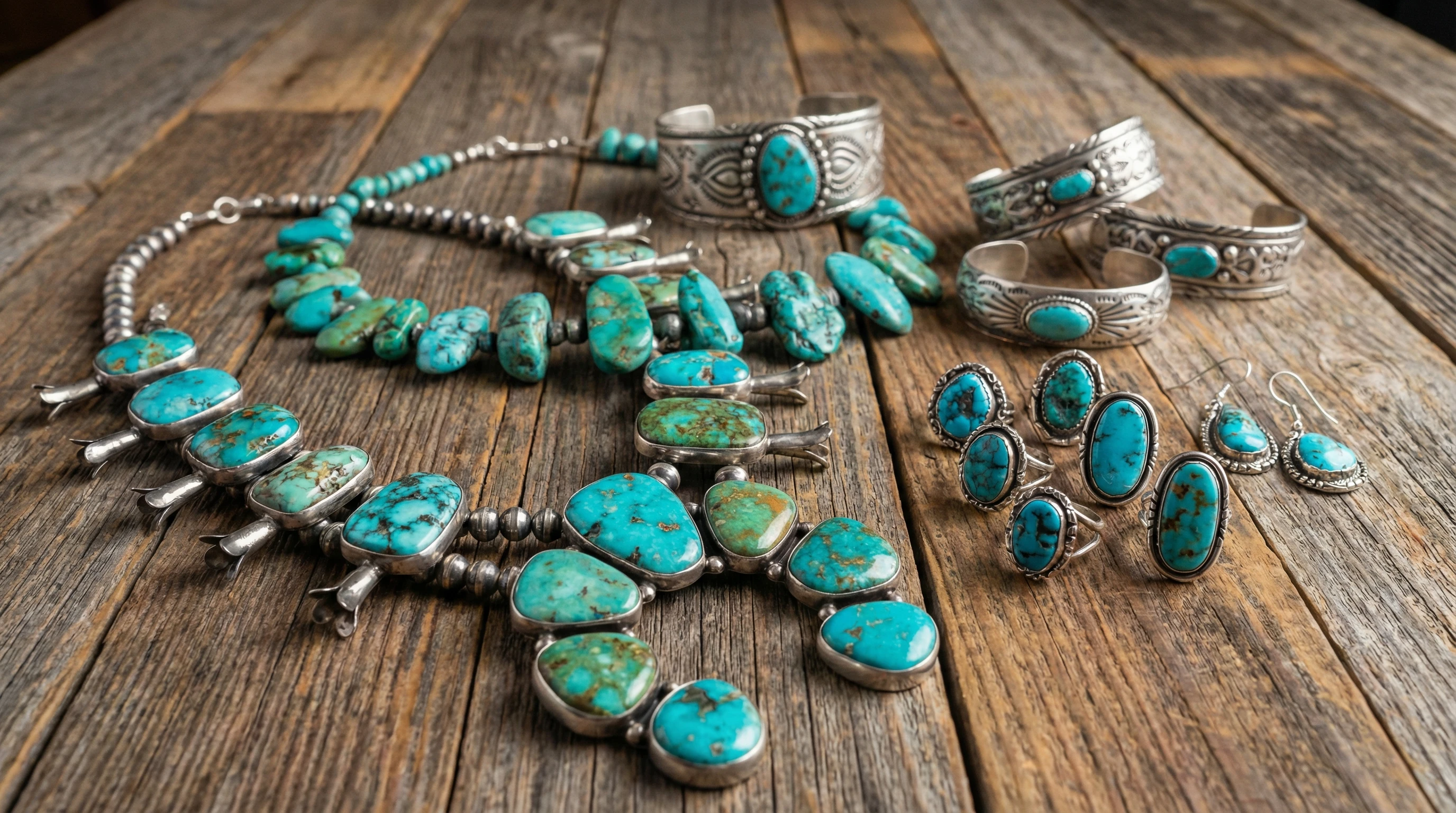
Real Native American jewelry is much more than just an accessory. It comes from deeply rooted cultural traditions, with artists often using skills passed down through many generations. This jewelry usually features sterling silver, turquoise, and other natural stones, with design styles unique to each tribe, such as Navajo, Hopi, and Zuni. Authenticity is crucial because it preserves these traditions and ensures that artists are fairly compensated for their work, allowing them to continue creating amazing pieces and sharing their heritage.
Unfortunately, many online shops offer fake or mass-produced items, often imported and misleadingly sold as “Native American style” instead of being created by tribal artists. That’s why I always look for clear proof that an item is handmade by a real Native artist and that the seller is honest about how they source their jewelry.
How to Spot Genuine Native American Jewelry Online
Before you buy, run through a quick checklist to make sure you’re getting the real thing:
- Artist Information: Look for the artist’s name and tribe. Sellers who care about authenticity will put this information right up front.
- Materials: Authentic pieces use sterling silver (sometimes marked .925 or “Sterling”) and real stones like turquoise, coral, or shell. If you see plated metal or plastic stones, that’s a red flag.
- Hallmarks or Stamps: Many artists will stamp their initials or a special symbol onto their jewelry. Not every piece has a hallmark, but most genuine works do.
- Certificate of Authenticity: Some shops provide this, confirming the piece is handmade by a Native American artist. It’s always worth asking for one if you have doubts or want some extra peace of mind.
- Price: Real handmade jewelry costs more to make. Ultra-cheap prices pretty much always mean you’re looking at something fake or mass-produced.
For more tips, check out the Indian Arts and Crafts Board (part of the U.S. Department of the Interior). They offer official advice to help you spot scams and make sure you’re buying genuine items.
Best Places to Buy Genuine Native American Jewelry Online
After a lot of searching, a few online retailers have stood out to me for reliability, support of Native artists, and outstanding customer service. Here are some options worth taking a look at:
- Native American-Owned Galleries
Garland’s Indian Jewelry (based in Arizona) and PuebloDirect only sell pieces created by Native artists. They include artist bios and often photos, which is great for buyers. Their social pages sometimes even have behind-the-scenes looks at artists making jewelry in their studios. - Museum and Nonprofit Stores
The Indian Craft Shop (Smithsonian, DC) and IAIA Museum Store feature jewelry from recognized artists, plus all sales support museum programs and education. They often showcase unique pieces you won’t find anywhere else. - Etsy Shops (With Caution)
Sites like Etsy can have authentic Native jewelry, but you need to check seller backgrounds carefully. Only buy from shops that clearly state tribe affiliation and include artist info. Stay away from shops offering “Native inspired” or “tribal style” jewelry where no actual tribal artists are involved. Customer reviews from buyers can also help you spot good sellers. - Specialized Boutiques
Boutiques such as Southwest Silver Gallery and SilverTribe focus on Native jewelry and provide information about artists and materials with each piece. These shops vet their artists closely, and you can usually reach out for more details or custom requests.
To check out even more options, the Indian Arts and Crafts Board’s Buyers Guide lists vetted retailers and gives you pointers on what to ask sellers before buying.
Quick Steps to Make Sure You’re Getting the Real Thing
Buying online can feel risky, but these steps can keep things simple and safe:
- Research the Seller: Check for an “About Us” page, artist bios, and links to tribal groups or organizations supporting Native artists.
- Ask Questions: Don’t hesitate. Reliable sellers won’t mind sharing details about materials, artists, tribes, hallmarks, and more.
- Look for Return Policies: Steer clear of shops without a return policy or ones that give vague answers to your questions.
- Read Reviews: Honest feedback from other buyers can let you know about authenticity, customer support, and what you can expect from your purchase.
- Verify Authenticity: When in doubt, request a certificate of authenticity or detailed artist information. You can even search for the artist online to double-check their work and background.
What to Avoid When Shopping Online
Some red flags I’ve stumbled upon over the years include:
- Sellers pushing “Native American style” without naming any artists or tribes.
- Very low prices, especially for items said to be silver or turquoise.
- Low-quality photos or missing info about where the jewelry comes from.
- Sellers posting only stock images instead of actual photos of the piece you’re buying.
Taking a few moments to check these details can save major headaches. This care keeps you supporting real Native artists and lets you buy handmade, meaningful pieces instead of mass-market knockoffs.
Benefits of Buying Genuine Native Jewelry
Buying directly from Native artists or through trusted shops does more than give you an eye-catching new accessory. You help real people, sustain cultural traditions, and ensure artists earn fair pay for their craft. This connection means your purchase has genuine meaning.
Wearing genuine jewelry is special because every piece has its own story. When you wear it, gift it, or pass it down, you become part of that story. Well-made jewelry from famous artists or pieces with unique tribal importance can even grow in value over time, making these both a personal and smart investment.
Frequently Asked Questions
How do I check if a seller is legit?
Read reviews, look for artist info, and make sure there are clear sourcing details. Good sellers love talking about their pieces and answering questions. If you’re still not sure, check out the Indian Arts and Crafts Board’s directory—they list reputable dealers who follow the rules.
Is a certificate of authenticity necessary?
Some jewelry comes with one, but not all. A certificate is most important for high-end tattoos or if you want something for your collection. Artist info and proof of tribal affiliation are just as helpful for most buyers.
What’s the safest payment method?
Use secure payment options like credit cards or PayPal. These methods often give you extra protection if you ever run into problems with your order.
How do I care for my jewelry?
Most Native American jewelry is made using sterling silver and natural stones. Store each piece separately to prevent scratches, polish silver with a dedicated cloth, and keep turquoise away from water and chemicals so it stays stunning.
Tips for Starting or Expanding Your Collection
Building a collection of authentic Native jewelry is an adventure packed with discovery. A few tips I’ve gathered:
- Start small and learn as you go. Pick one or two pieces from recognized artists and add to your collection as you spot new styles or stones that fit your taste.
- Mix in some variety. Try different types like bracelets, rings, earrings, and necklaces. Sample classic Navajo silverwork or the fascinating inlays typical of Zuni pieces.
- Check out online art fairs or connect with artists through social media. Sometimes you’ll stumble upon pieces not found in big-name shops, making your collection truly your own.
- Hang on to receipts and artist bios alongside your jewelry; this keeps the history easy to track and serves as proof of where your pieces came from.
Being careful about authenticity matters for more than value—it gives you a real sense of connection to the artists and their heritage. Shopping smart lets you take part in an ongoing story, and that’s pretty next-level cool in itself.