
Authentic Native American jewelry carries centuries of tradition, incredible artistry, and stories you simply won’t find anywhere else. With so many pieces available online and in shops, figuring out what’s really made by Native artists—and not just replicas—can get pretty confusing. I’ve spent a good amount of time checking out Native art markets, talking to silversmiths, and examining the details up close, which has really helped me spot the real thing. This guide breaks down everything you’ll need to know to confidently pick out genuine Native American jewelry and avoid common pitfalls.
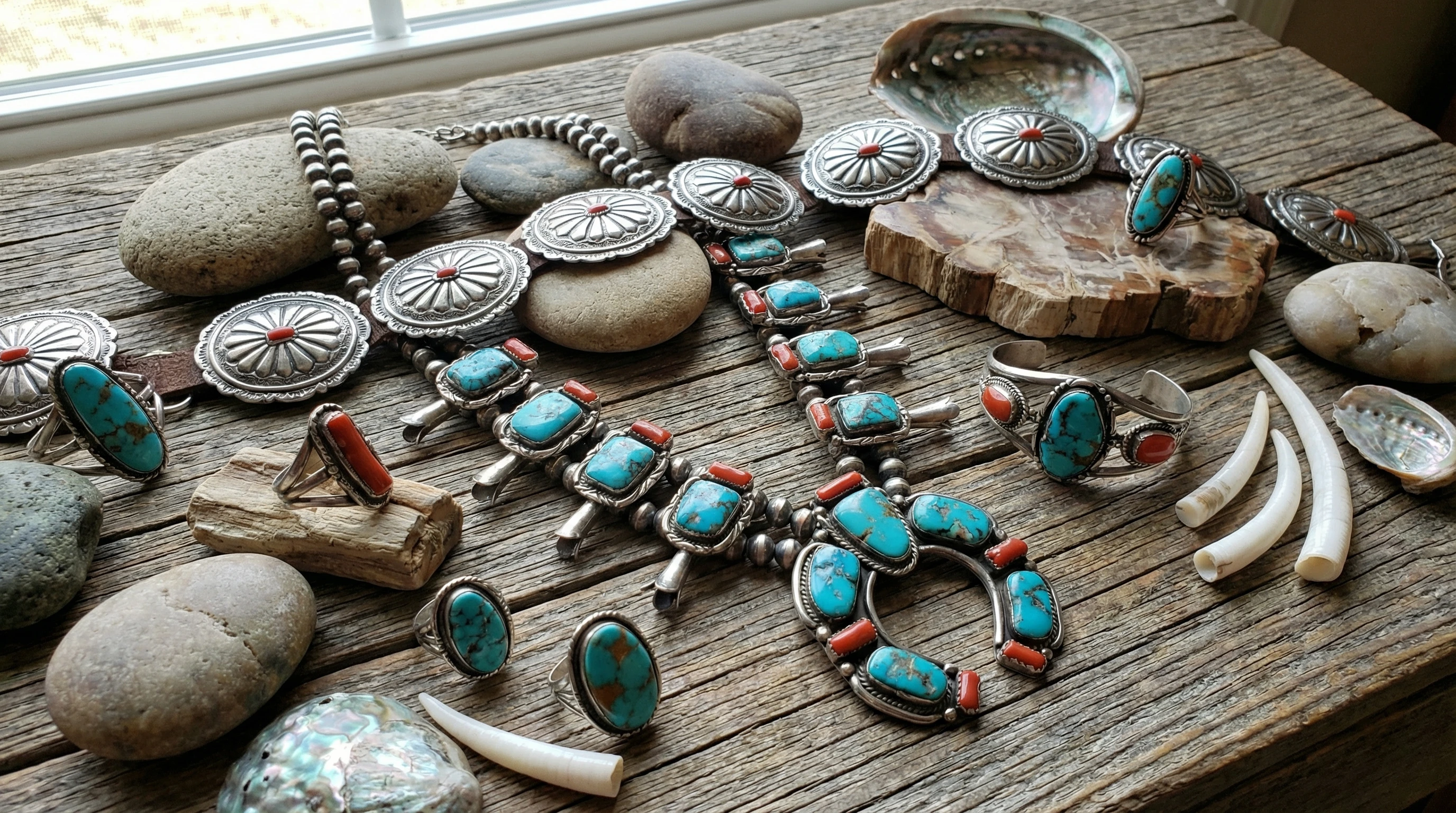
What Makes Native American Jewelry Authentic?
Authenticity in Native American jewelry isn’t just about style. It’s about who made it, how it was crafted, and what materials were used. Each tribe has its own unique designs, materials, and methods, so knowing those details is super important for anyone who wants a real piece of culture.
The Indian Arts and Crafts Act (IACA) helps a lot here. This law requires that only enrolled members of federally recognized tribes, or their certified Indian artisans, can market their jewelry as “Native American” or “Indian made” in the U.S. Always check for a certificate of authenticity or information about the artist’s tribal affiliation. Reputable sellers will gladly provide these.
Traditional Materials and Tribe Associations
Different tribes are known for specific materials and techniques. Here’s a quick look at some of the most common ones you’ll see (and what to keep an eye out for):
- Turquoise (Navajo, Zuni, Hopi): Turquoise is hands down the material most associated with Southwestern Native jewelry. High-grade American turquoise is often used by Navajo, Zuni, and Hopi silversmiths. Look for natural stones set in sterling silver, not plastic or dyed stones.
- Coral (Navajo, Zuni, Santo Domingo): Mediterranean and sponge coral have been used for centuries, especially by Southwestern tribes. Real coral should have a natural grain. Artificial or dyed beads often feel too light or look too perfect.
- Shells (Santo Domingo/Kewa Pueblo, Hopi): Heishi beads, which are tiny hand-cut beads of shell or turquoise, are a signature of the Kewa Pueblo. Genuine heishi will feel smooth and have subtle variations in size and shape.
- Jet & Onyx (Zuni, Navajo): Jet, a black fossilized wood, and onyx are popular with Zuni silversmiths for intricate inlay work. Stones should fit snugly in channels and won’t show gaps or glue.
- Silver (Navajo, Hopi, Zuni): Sterling silver is the go-to metal. Hopi pieces, in particular, feature overlay techniques, while Navajo work is often larger, with stampwork or repousse.
If you see Chinese turquoise, plastic beads, or mass produced findings, it’s a red flag that the piece isn’t authentic or was made outside traditional methods.
Common Jewelry Styles by Tribe
Each tribe has their own look, with certain techniques and motifs setting them apart. Here’s what to watch for by region:
- Navajo: Heavy silverwork, stamp designs, and large turquoise cabochons. Navajo squash blossom necklaces and concho belts are especially famous. Stones should be bezel set, and you’ll often find hand stamping or rope-like silver details.
- Zuni: The kings and queens of stone inlay, Zuni artists are famous for clusterwork, needlepoint, and petit point settings. Look for precise, tiny turquoise and coral stones arranged in floral or geometric patterns.
- Hopi: Sterling silver overlay. Two sheets of silver, with the top one hand cut with symbols. Think intricate patterns filled with Hopi symbolism like mesas, bear paws, or rain clouds. These pieces have a matte (not shiny) background.
- Santo Domingo (Kewa Pueblo): Shell and stone beadwork, especially heishi necklaces, made with hundreds of disc shaped beads cut and polished by hand. Their mosaic inlay on shell pendant necklaces are always unique.
If you see a style that doesn’t fit with what the tribe is known for, it’s worth asking the seller for more info about the design’s origin.
How to Spot Real vs. Fake Native American Jewelry
You don’t have to be an expert to spot most fakes. A few telltale signs can help you out right away:
- Check the Hallmarks: Many Native American silversmiths sign their jewelry with initials, names, or symbols. While not every authentic piece is hallmarked (especially older ones), most artists do mark their work today. Check for stamps like “Sterling” or the artist’s signature. Compare the hallmark with databases like the ones on Medicine Man Gallery for reference.
- Weigh It: Genuine pieces are heavier because they use real stones and sterling silver. Fake jewelry often feels lightweight and cheap.
- Look for Machine Work: Handmade jewelry will have slight variations and tool marks. Mass produced items look too perfect, and the stones are usually glued in with visible residue.
- Materials Used: Plastic, glass, dyed stones, and cheap metals are never part of authentic Native jewelry. Real turquoise may show some natural matrix or spiderweb patterns, while plastic is just too uniform.
Quick Guide to Buying Authentic Pieces
- Buy from Trusted Sources: Galleries, reputable online retailers (like Indian-owned shops), museum stores, and juried Native markets are much safer than flea markets or random tourist shops.
- Ask for Documentation: Request details about the piece, such as the artist’s name, tribal affiliation, and a description of the materials used. Good sellers include certificates of authenticity.
- Do a Little Research: Familiarize yourself with popular tribal motifs, jewelry types, and artist hallmarks. Books like “North American Indian Jewelry and Adornment” by Lois Sherr Dubin can be super useful here.
- Trust Your Gut: If the price seems too good to be true, or the seller is vague or pushy about the origin, move on.
- Understand Pricing: Genuine Native pieces are made with high quality materials and take hours (sometimes days or weeks) to create. While pricing varies, serious underpricing is usually a sign of imported or mass produced copies.
Common Pitfalls and Myths
Plenty of folks get tripped up by certain myths or mistakes when shopping for Native jewelry:
- Assuming All Turquoise Means Native Made: Turquoise jewelry is popular around the world, but not all of it is Native crafted or even American turquoise.
- Falling for “Indian Style” Labels: If something is described as “style,” “inspired,” or “fashion” jewelry without mentioning the artist or tribe, it’s probably not authentic.
- Ignoring Hallmarks: Some fakes even stamp Native hallmarks. Always cross check with reliable hallmark guides if you’re unsure.
- Thinking Everything at a Powwow or Market is Genuine: Sadly, non Native vendors sometimes sell imported goods at Native events. Always ask the booth staff about origin and look for artist info.
Advanced Collector’s Tips
For folks who want to take their collecting further, details and provenance get even more important. Here are a few ways I’ve found especially helpful for serious buyers:
Learn the Difference Between Old Pawn, Contemporary, and Revival: Old pawn refers to historic, pawned jewelry; these often have heavy wear and patina but are rarely marked. Contemporary work uses new materials and is usually signed. Revival jewelry carefully re-creates early 20th century pieces (look for documentation).
Investigate Stone Origins: High quality turquoise from American mines like Sleeping Beauty, Kingman, and Bisbee can raise the value. Many artists specifically mention mine origins, which is good info to have.
Follow the Artist Community: Once you find styles or artists you love, keep up with their work on Instagram or artist websites. Collectors often meet artists at events like Santa Fe Indian Market.
Document Your Collection: Record details on when, where, and from whom each piece was purchased. This adds value and authenticity in the long run.
Additionally, try to build relationships with trustworthy sellers and artists whenever possible. This not only helps you learn more, but also connects you to new releases and limited edition pieces before they become widely available. The more you check out the world of Native jewelry, the more you’ll appreciate the craftsmanship and stories behind these works of art.
Frequently Asked Questions
Question: Are certificates of authenticity necessary?
Answer: They really help, but the artist’s reputation and how you buy (directly from the artist or trusted shop) are the most reliable safeguards.
Question: Can non Native artists make “Native style” jewelry?
Answer: They can, but it shouldn’t be advertised or sold as “Native American” under the IACA. Authenticity lies in the artist’s tribal status and tradition.
Question: How do I clean Native American jewelry?
Answer: Use a soft cloth and avoid commercial jewelry cleaners, especially with turquoise or coral, since harsh chemicals can harm natural stones.
Wrapping Up
Knowing how to identify authentic Native American jewelry takes some time and research, but it’s totally worth it. With a little awareness of materials, hallmarks, and tribal styles, you’ll be way better equipped to find meaningful pieces that genuinely connect you with Native artistry. Happy treasure hunting; each piece has its own story if you know what to look for!
In my opinion, learning how to identify authentic Native American jewellery is essential not only to avoid replicas, but to genuinely respect and support Native artists and their cultural traditions. Understanding materials, tribal styles, and laws like the Indian Arts and Crafts Act helps buyers make informed choices and ensures that the craftsmanship, history, and stories behind each piece are honoured rather than exploited.
A fantastic, thorough, and respectful guide. Thank you for emphasizing the importance of buying authentic to support Native artists. For someone beginning to dive deeper, could you elaborate on how to distinguish between the hallmarks and stylistic signatures of major regional traditions, like Navajo, Zuni, and Hopi jewelry? Are there particular design motifs, stone preferences, or silversmithing techniques that are key identifiers for each?
Great question, Cian — this is exactly where learning gets really fun, because once you start recognizing regional “fingerprints,” jewelry stops looking generically “Southwestern” and starts telling you where it comes from and how it was made.
I’ll break this down by hallmarks, techniques, stone use, and design motifs for the three big traditions you mentioned.
Navajo (Diné) Jewelry — Bold Silver & Stone
Silversmithing Techniques
Navajo jewelry is historically the foundation of Southwestern silverwork.
Key techniques:
Stamp work (hand-stamped patterns using metal tools)
Repoussé (raised designs hammered from the back)
Heavy gauge silver — thick, substantial pieces
Large bezels with bold center stones
Older pieces often feel solid and weighty.
Stone Preferences
Turquoise is king, often:
Large single stones
Spiderweb matrix
Natural, irregular shapes
Also coral, jet, shell in older or ceremonial pieces
Design Motifs
Sunbursts
Arrows
Feathers
Squash blossom necklaces (iconic Navajo form, though now made by others too)
Hallmarks
Many mid-20th-century and later artists sign their work
Earlier pieces may be unsigned but identifiable by:
Construction style
Old turquoise cuts
Hand-filed bezels
If you see big silver, big stone, bold presence, Navajo is often your first guess.
Zuni Jewelry — Precision, Inlay & Stone Artistry
Zuni jewelry is where you’ll see the most intricate stonework.
Silversmithing Techniques
Silver is usually:
Thin and clean
Used mainly as a framework for stone designs
Signature techniques:
Channel inlay (stones fitted together like puzzle pieces)
Needlepoint (slender turquoise stones radiating outward)
Petit point (small teardrop stones set individually)
The focus is always on stone precision, not heavy metal.
Stone Preferences
Turquoise dominates
Also:
Coral
Mother-of-pearl
Jet
Multicolor mosaic inlay
Stones are carefully shaped and polished into uniform sizes.
Design Motifs
Sunbursts
Flowers
Butterflies
Birds
Many designs feel delicate, symmetrical, and highly detailed.
Hallmarks
Many Zuni artists sign, especially contemporary ones
Families often work in recognizable styles passed down generations
If it looks like tiny stones perfectly arranged with surgical precision, you’re almost certainly looking at Zuni work.
Hopi Jewelry — Overlay & Symbolism in Silver
Hopi jewelry is usually recognizable even without stones.
Silversmithing Techniques
The hallmark technique is:
Overlay
Two layers of silver:
Bottom layer is solid
Top layer is cut with designs
Then soldered on, creating bold contrast
This gives a raised, graphic look — very sculptural.
Stone Preferences
Traditionally:
Minimal stone use
When present: small turquoise accents, not centerpieces
Silver and symbolism are the stars here.
Design Motifs (Very Distinctive)
Hopi designs are deeply symbolic:
Kokopelli
Kachina figures
Clouds
Corn
Feathers
Migration symbols
Designs are often matte blackened backgrounds with bright raised silver.
Hallmarks
Hopi artists are often very good about signing:
Name
Sometimes clan symbols
Sometimes “Hopi” stamp
If the piece looks like cut-out silver art with cultural symbols, that’s classic Hopi overlay.
Quick Visual ID Cheat Sheet
If you’re scanning a case in a shop or online:
Big silver + big turquoise = likely Navajo
Tiny stones, perfect patterns, colorful inlay = likely Zuni
Bold silver symbols, little or no stone, layered metal = likely Hopi
That’s not foolproof (there’s cross-influence and modern experimentation), but it’s a very good starting lens.
Important Note: Styles Travel, Traditions Remain
Today, many artists:
Work across techniques
Learn from other tribes
Experiment intentionally
So style alone isn’t proof — that’s why your earlier instinct about story and craftsmanship is so important. Hallmarks + reputable sellers still matter most for attribution.
But knowing these traditions helps you:
Ask better questions
Spot obvious mislabeling
Appreciate the skill behind what you’re seeing
This was a really eye-opening read. I’ve always admired Native American jewelry, but I honestly didn’t realize how many details go into identifying whether a piece is truly authentic or not. Your explanations about artist signatures, materials, and tribal styles helped clarify things I’ve been confused about for a long time.
I especially appreciated the reminder to look beyond just the design and pay attention to the story and craftsmanship behind each piece. It makes the jewelry feel much more meaningful, not just decorative.
For someone who’s just starting to learn and maybe looking to buy their first authentic piece, is there one indicator you’d recommend focusing on first to avoid unintentionally purchasing something misrepresented?
I’m glad that this piece resonated with you, Leica.
If I had to recommend one indicator to focus on first, it would be:
Artist Attribution (Name or Hallmark) — and the Seller Who Can Explain It
Before materials, stones, or even tribal style, the safest first checkpoint is:
Can the seller clearly identify the artist (or at least the community) and explain the piece’s origin?
Here’s why that matters most:
1. Real Native-made jewelry is tied to real people
Authentic pieces are typically:
Signed by the artist (full name or hallmark), or
Attributed to a known family, pueblo, or region with supporting context
Even older or unsigned pieces should still come with:
A reasonable explanation of why it’s unsigned (era, tradition, trading post history, etc.)
If the seller can’t tell you who made it or where it came from, that’s a red flag.
2. Materials and style are easier to fake than provenance
Sterling silver stamps, turquoise, and “Southwestern-style” designs are widely copied. Mass-produced items often:
Use real silver
Use real stones (or convincing composites)
Mimic traditional motifs
But they usually don’t come with verifiable artist information.
3. Reputable sellers protect both you and the artists
Look for sellers who:
Specialize in Native-made work
List artist bios or tribal affiliations
Are members of Native arts organizations or sell directly from artists
This reduces the risk of accidentally supporting misrepresentation or exploitative manufacturing.
If You Want a Simple Beginner Checklist (After Artist Info)
Once attribution checks out, then look at:
Construction quality
Hand-made pieces usually show subtle tool marks, natural stone variation, and solid settings (not glued).
Materials used
“Sterling” or “.925” for silver
Natural turquoise (not dyed howlite or reconstituted chips)
Does the style match the story?
For example:
Zuni: intricate stone inlay
Navajo: bold silverwork, large stones, stamp work
Hopi: overlay techniques with symbolic imagery
If the design and the claimed origin don’t align, ask questions.
Short Answer: Trust the Story First, Then the Stone
For a first purchase, I’d say:
Buy the artist and the story — not just the look of the jewelry.
When you start there, everything else (materials, craftsmanship, style) tends to fall into place much more reliably.
This is a wonderfully thorough and respectful guide to identifying authentic Native American jewelry. I appreciate how clearly you explain that authenticity is about the artist and the tradition, not just turquoise or a certain look. The breakdown of tribal styles, materials, and techniques is especially helpful for newer collectors, and the reminders about the Indian Arts and Crafts Act are so important. Your tips on hallmarks, weight, and spotting machine made pieces give readers practical tools they can actually use when shopping. I also loved the advanced collector advice, especially documenting purchases and learning stone origins, it adds real depth. Most of all, this post encourages buying thoughtfully and supporting Native artists directly, which matters. An excellent resource for anyone who wants to collect with confidence, respect, and appreciation for the culture behind each piece.