
Native American jewelry has a story that goes way beyond simple fashion. It’s deeply tied to tribal identity, family stories, spiritual beliefs, and centuries of cultural glow-up. Spend a little time with traditional beadwork, turquoise necklaces, or hand hammered silver cuffs, and you instantly sense there’s heritage in every piece. Here’s a closer look at how Native American jewelry began, why it carries so much meaning, and what makes pieces from different tribes unique. Let’s jump into this adventure together and get a feel for the fascinating world of Native American jewelry.
The Origins of Native American Jewelry
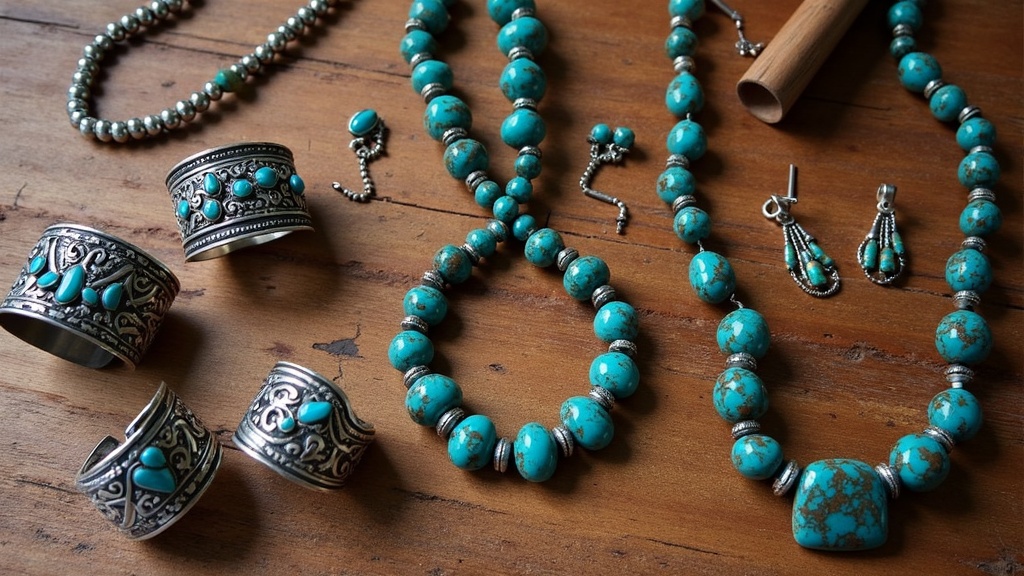
Native American jewelry isn’t just a modern art form; it’s thousands of years old. The very first pieces came from natural materials like shells, bones, stones, and animal teeth. People along the Pacific and Gulf coasts loved shell beads, while tribes in the Southwest, like the Hohokam and ancient Ancestral Puebloans, worked with turquoise and other local stones.
The introduction of metalworking happened much later, after contact with the Spanish in the 16th century. Tribes like the Navajo, Hopi, and Zuni dove into silverwork, blending these new materials with traditional motifs and skills. From there, Native American jewelry exploded with creativity and variety, shaped by access to resources, neighboring influences, and the needs of everyday life.
Archaeological digs have unearthed beads and pendants dating as far back as 2000 BC. Early jewelry pieces acted as currency in barter and helped connect far-flung communities. Each region developed its own approach over time, adapting materials found locally or traded across vast distances. The rise of trade networks set the scene for jewelry to spread like wildfire and grow into today’s one of a kind styles.
Why Native American Jewelry Matters
This jewelry is more than just decoration. For many tribes, it’s a way to show community, spiritual beliefs, family ties, and social status. Each pattern, stone, or carving can carry layers of meaning. Certain shapes and color combinations offer protection or call on traditional stories, while family pieces get handed down as sacred heirlooms.
Wearing and creating jewelry is part of major community events, like weddings or spiritual ceremonies. It’s super important as a form of self-expression, but at the same time, it’s been used to show royalty, trade relationships, and even alliances among different tribes. Pieces often help mark big life milestones and offer a sense of belonging.
In some societies, jewelry reflects one’s standing within the tribe. More eye-catching or elaborate necklaces and cuffs are reserved for respected elders, ceremonial leaders, or those who have accomplished great deeds. The act of making jewelry often becomes a way to bond with family, pass down stories, and keep traditions alive from one generation to the next.
Unique Styles From Major Tribes
If you ever get the chance to visit a powwow, museum, or even an old trading post, you’ll spot all sorts of regional and tribal differences. Here are a few examples that really stand out:
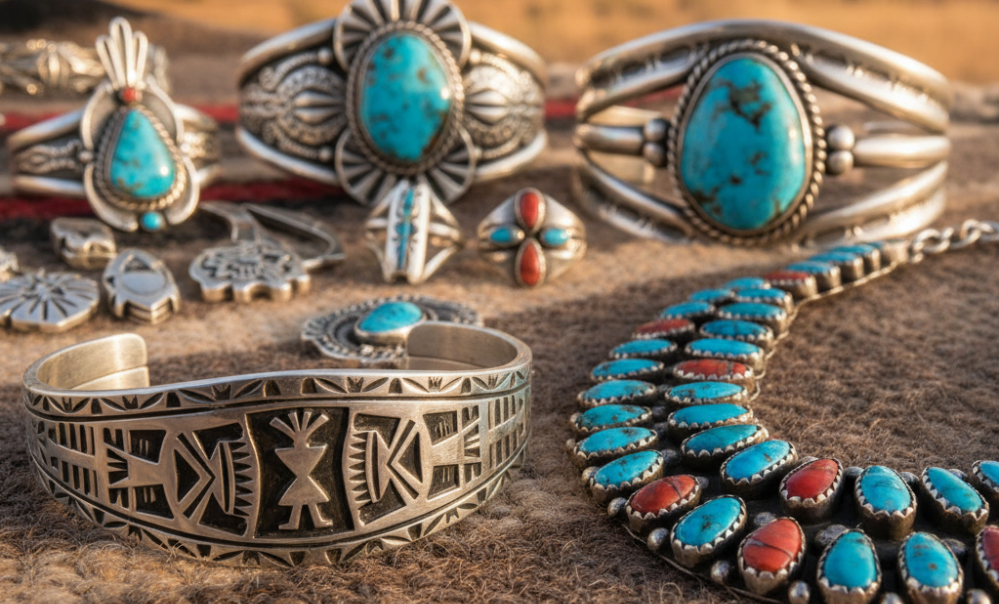
- Navajo: Famed for bold, chunky silver cuffs, squash blossom necklaces, and large turquoise stones set in stamped silver. Navajo silversmiths also make concho belts, which are rows of decorated silver medallions attached to leather strips, now considered iconic in every collection.
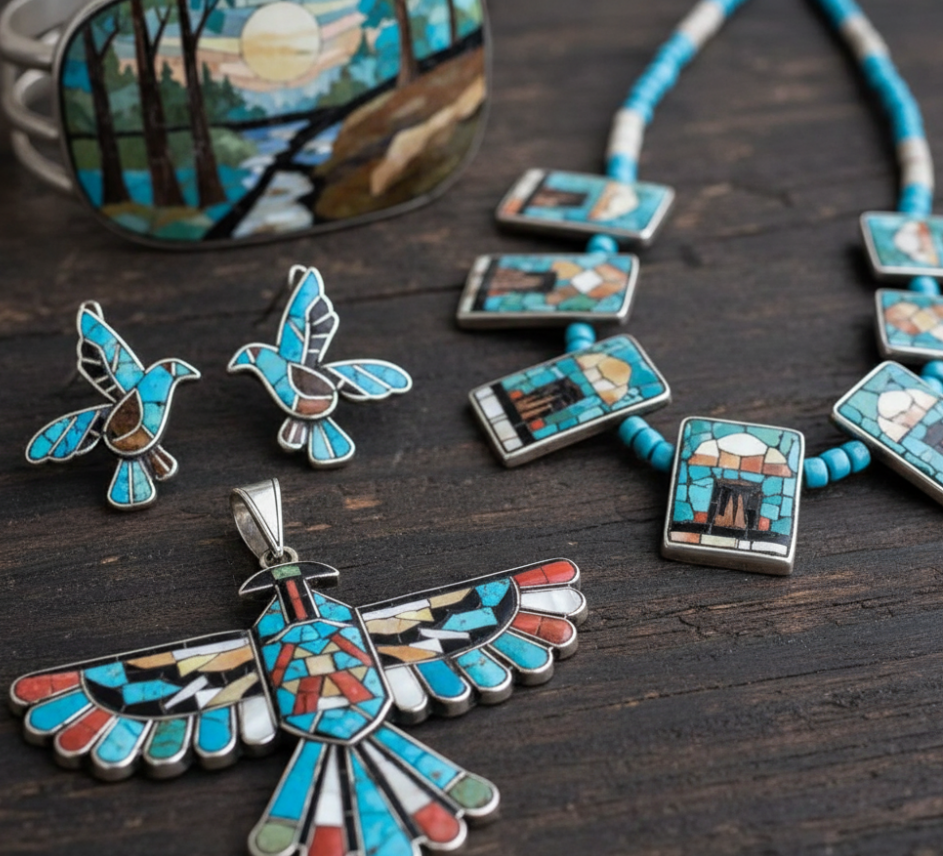
- Zuni: Experts at fine stone inlay. Zuni artists use tiny hand cut gems (like turquoise, coral, and jet) and arrange them into mosaic patterns. Their “needlepoint” and “petit point” jewelry features small stones woven into flowers, stars, and other detailed shapes.
- Hopi: Masters of overlay silverwork. Hopi jewelry uses layers of silver to create geometric and symbolic designs inspired by traditional pottery, baskets, and rock art. The upper layer is cut out, then fused to a background that’s often blackened for contrast.
- Pueblo Tribes: Santo Domingo (Kewa Pueblo) artisans are legendary for “heishi” beads—hand carved, discoidal shell or stone beads carefully strung as necklaces or bracelets. Santa Clara Pueblo and Cochiti Pueblo jewelers also create jet and shell inlay jewelry.
- Plains Tribes: Sioux, Cheyenne, and others on the Great Plains are known for colorful beadwork—especially beaded necklaces, chokers, and medallions sporting floral or geometric patterns. Quillwork, an older art, uses dyed porcupine quills to decorate jewelry and clothing.
- Apache: Known for “labrets,” which are decorative mouth plugs, and simple shell or stone jewelry. Their pieces often reflect migration and contact with many other groups.
Every tribe has special details and methods that become their hallmark, making each type instantly recognizable to those in the know. The artistry can be next-level cool, with patterns handed down through families or developed by individual artists seeking new inspiration.
Common Jewelry Materials and Techniques
Materials can tell you a lot about the region and the era. Here’s a breakdown of some frequently used components and skills:
- Turquoise: Found mostly in the Southwest, it’s prized for its sky blue to green color. Tribes like the Navajo and Zuni center much of their jewelry around it.
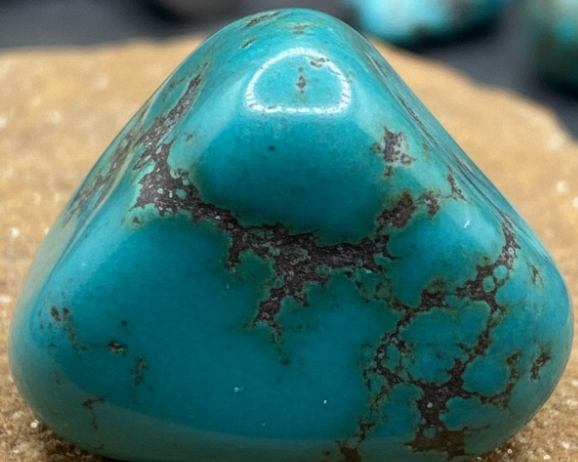
- Coral: Mediterranean coral made its way into jewelry after European contact and is especially valued in Navajo and Zuni traditions.
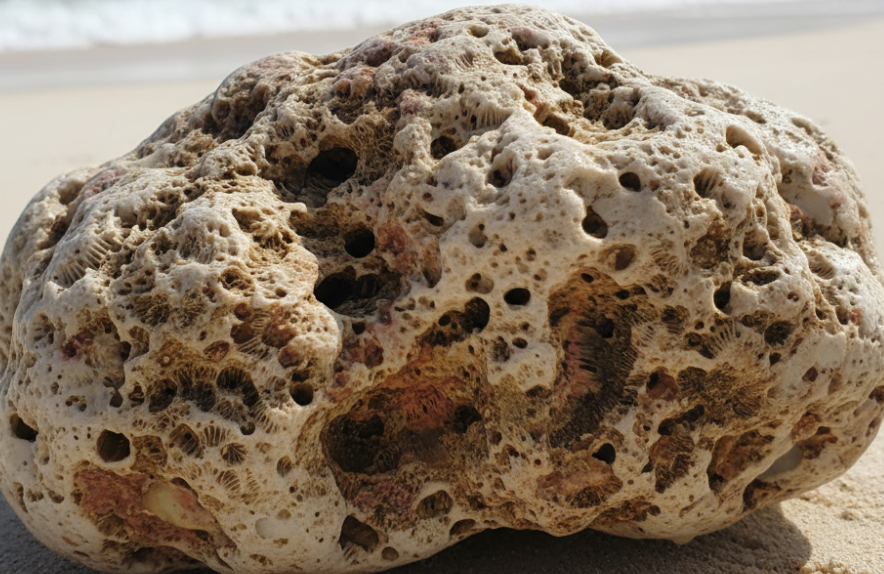
- Shell: Shell beads and pendants go back to ancient times, showing up in both the Southwest and the Eastern Woodlands. Spiny oyster shell and abalone shells are particularly popular for their bright colors.
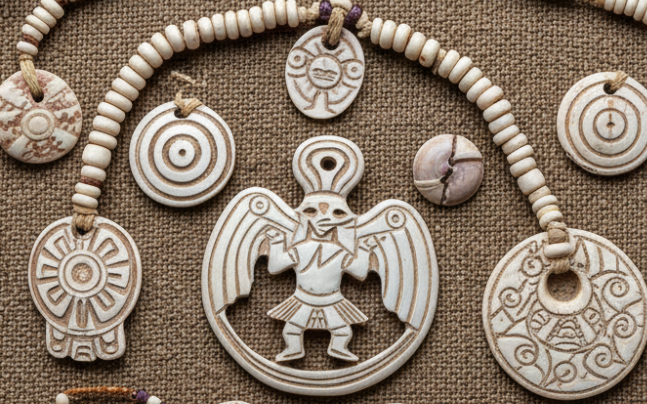
- Silver: Introduced by Spanish colonists, silver is now a foundation of Navajo, Hopi, and Zuni jewelry. Techniques include hand hammering, soldering, and stamping designs into the metal.
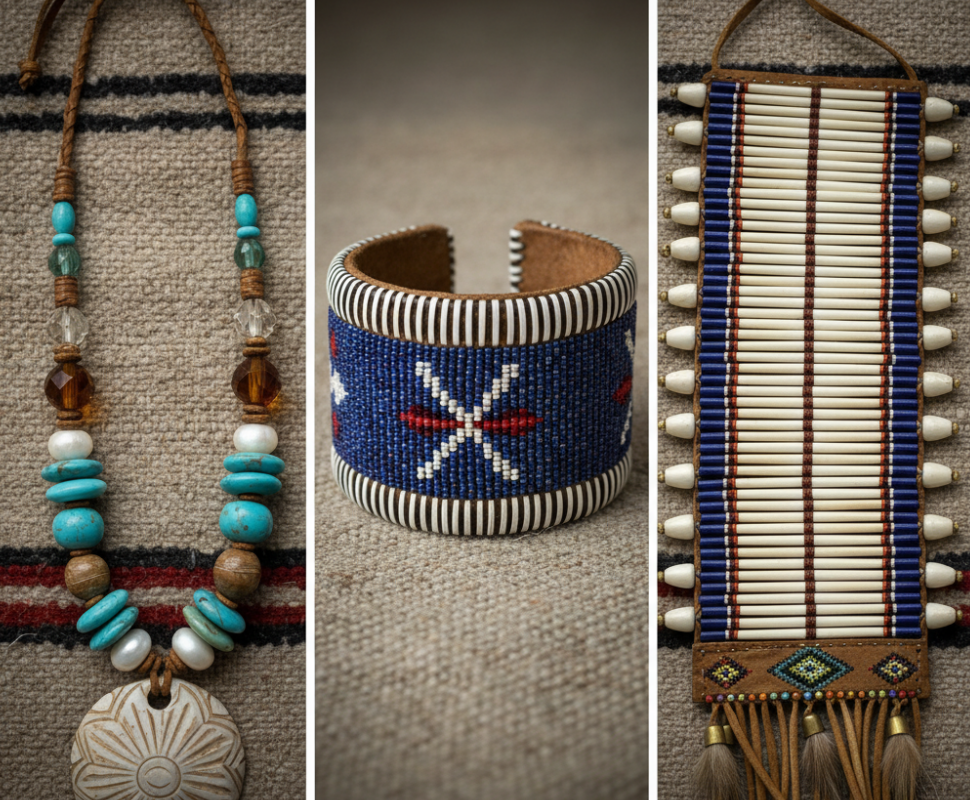
- Beads and Quills: Seed beads, glass beads, and porcupine quills let artists create incredibly rich color patterns. Beadwork is found in the Great Lakes, the Southeast, and the Plains tribes, each region with its own style.
- Stone Inlay: Zuni and Santo Domingo artists cut stones into geometric or pictorial mosaics, fitting the pieces together with amazing precision.
Other materials, like deer antler, bone, copper, and even modern acrylic, have found their way into Native jewelry as artists jump into new approaches while staying true to traditions.
How Jewelry Connects to Ceremony and Everyday Life
Jewelry isn’t just for special occasions, it’s woven into the fabric of daily life and seasonal ceremonies. Pieces might be worn every day or saved for rituals like dances, powwows, and feast days. Some jewelry serves as talismans, believed to protect the wearer, offer strength, or ward off bad spirits.
Wedding and coming of age ceremonies often include gifting jewelry as a public symbol of support and love. Some pieces are buried with family members as sacred heirlooms, showing their value goes way beyond style or money. The meaning behind each piece adds to the story of the family and the community, giving emotional power to even the smallest bead or pendant.
Modern Native American Jewelry: Mixing Tradition and New Ideas
Native artists today keep old styles going while also jumping into new ideas. Some jewelers set free daring materials, like titanium or plastics, while using traditional patterns. Others stick with classic techniques, sharing them with new generations through workshops and digital tutorials.
Art markets, shows, and online shops let Native jewelers reach a broader audience than ever. Still, many artists prefer to focus on their own communities, teaching apprentices or younger family members to keep the traditions alive and growing. Stumbling upon authentic work means supporting these creative talents and celebrating their living history.
Many contemporary artists now sign their pieces, creating collectible works appreciated worldwide. Collaboration and innovation play major roles, blending age old designs with the spirit of today’s Native communities. As the jewelry grows more popular, efforts to protect authenticity and recognize original artists have become stronger as well.
Frequently Asked Questions
Here are some questions I often get about Native American jewelry:
How can I tell if a piece of Native American jewelry is authentic?
Look for details like hand stamped designs, natural stones, and artist signatures. Many reputable sellers provide certificates of authenticity. Buying from actual Native artists or galleries specializing in Native arts is always the best way to be sure.
What does turquoise symbolize in Native jewelry?
Turquoise is often seen as a symbol of life, luck, and protection. In many tribes, it’s connected to the sky and water, giving powerful positive energy to the wearer.
Do all Native American tribes make jewelry the same way?
No, not at all. Techniques, materials, and styles are unique to each tribe, shaped by local resources, cultural beliefs, and artistic traditions. For example, Plains beadwork jewelry looks very different from a Hopi silver cuff or a Santo Domingo shell necklace.
Can modern Native jewelry be both traditional and innovative?
Absolutely. Many artists carry forward classic styles while experimenting with new materials, techniques, and ideas. It’s a living tradition that keeps growing and inspiring modern creators.
Where to Find and Support Authentic Native Jewelry
When buying Native American jewelry, supporting genuine artists and tribal communities is super important. Look for Native owned shops, verified art fairs, or online galleries with artist bios. Groups like the Indian Arts and Crafts Association and the Southwest Association for Indian Arts share resources to help you spot trustworthy sellers. Careful research helps buyers make informed decisions and supports honest craftsmanship for future generations of artists.
Native American jewelry tells a story of tradition, artistry, and living history. Whether you’re drawn to the bold silverwork of the Navajo or the mosaic gems of the Zuni, these pieces keep culture alive with every bead and stone. They make any collection eye-catching and full of meaning.
Native American jewellery is special because it tells stories about the people who make it and their traditions. Every piece, whether it’s made of turquoise, silver, beads, or shells, means something important, like protection, family, or culture. What makes it even more amazing is that Native artists keep old skills alive while also creating new, modern designs. It’s beautiful, meaningful, and a big part of their history and identity.
Keep up the good work!
Native American jewelry carries an incredible depth that goes far beyond aesthetics, and this post captures that beautifully. I love how you highlight the roots of each tradition—whether it’s ancient shell beads, intricate Zuni inlay, or the bold silverwork of Navajo artists. It’s fascinating to see how materials like turquoise, coral, and silver became meaningful cultural signatures rather than just decorative choices. What stands out most is the reminder that every piece is a form of storytelling, connecting families, honoring ancestors, and celebrating identity. The way jewelry is used in ceremonies, gifted during life milestones, and passed down through generations adds layers of spiritual and emotional weight. I also appreciate the attention given to authenticity and supporting Native artists directly. Posts like this encourage people to look beyond style and understand the history and heart behind each creation.