
Native American jewelry always catches my eye. There’s just something about the fine details, unique designs, and powerful stories behind each piece. Recently, these traditional jewelry styles have found a home in modern fashion, showing up everywhere from runway shows to casual streetwear. It’s not just about looking good. It’s about honoring a rich cultural heritage and making mindful style choices. Here’s how Native American jewelry is shaking things up in the fashion world today.
The Legacy of Native American Jewelry
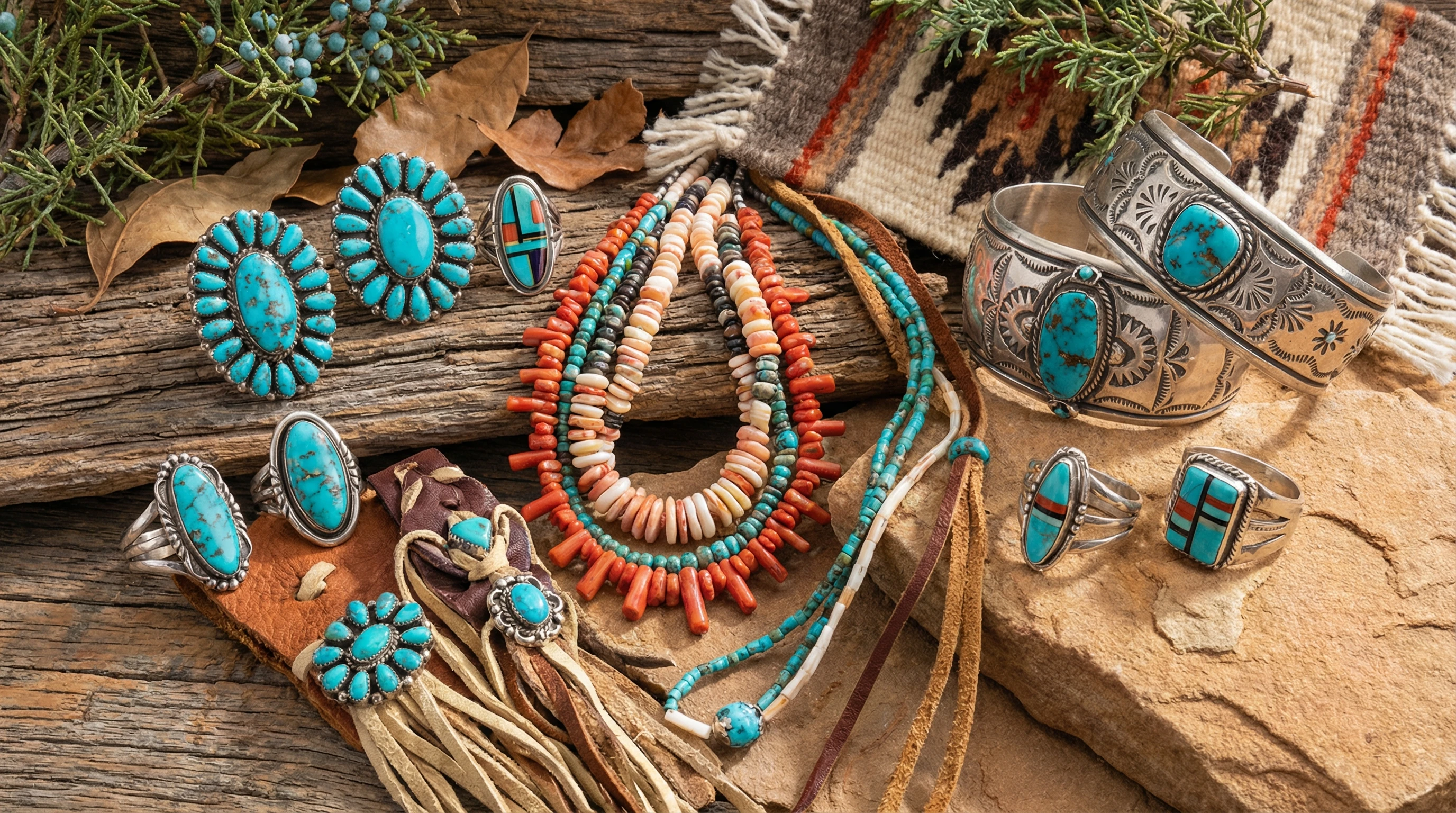
The roots of Native American jewelry stretch back centuries. Each tribe brings its own distinctive styles and symbols, often using turquoise, coral, shell, silver, and intricate beadwork. These pieces were more than decoration. They told personal stories, signified family ties, and held spiritual meaning. Designs and motifs were shaped by what was available locally, as well as trading with neighboring groups. Today, many contemporary Native jewelers build on these traditions, mixing old techniques with fresh ideas to create pieces that stand out while being deeply meaningful.
This connection to heritage and craftsmanship is a big part of why these pieces hold up so well in the modern fashion space. Wearing a squash blossom necklace or a pair of inlaid earrings isn’t just about accessorizing, it’s about celebrating art forms that have survived and glowed up over time. From Pueblo experience to Navajo artistry, every piece channels generations of hands-on skill.
Native American Jewelry in Today’s Fashion Scene
It’s pretty exciting to see how traditional pieces now blend seamlessly with everything from high-end fashion to everyday outfits. Designers and tastemakers love mixing statement cuffs, chunky turquoise rings, or delicate beaded earrings with streetwear, vintage denim, or even business attire. This blend brings an element of authenticity and individuality that mass produced jewelry just can’t match. Adding these eye-catching accessories allows personalities to shine and sparks conversations about culture and legacy with each wear.
Runways and magazines have helped boost the popularity of Native jewelry, but there’s been a growing push to make sure it’s worn thoughtfully. Modern collections now highlight Native voices and stories, paying respect to the original artisans. For example, brands like Eighth Generation or T.Skies work with Native artists directly to create and promote authentic designs. This focus on ethical design isn’t just on trend; it’s really important for supporting Indigenous communities and giving credit where it’s due.
Ways Native American Jewelry Shapes Personal Style
- Statement Pieces: Chunky turquoise necklaces, intricate silver cuffs, and bold concho belts quickly turn a simple outfit into something unique. Even just one standout piece can totally switch up your look.
- Mixing Materials: Modern stylists pair beadwork bracelets or shell earrings with layered gold chains, leather, or denim. The contrast between old-world materials and modern fashion fabrics adds a lot of character and depth.
- Everyday Versatility: Delicate inlay rings, subtle feather earrings, or small beaded studs work well for daily wear, not just special occasions. Native jewelry isn’t just for big events. It’s become part of casual, modern wardrobes everywhere, letting people carry a piece of history day to day.
Many of these styling approaches borrow inspiration from the past but remix it for modern sensibilities. This shows just how adaptable and timeless the Native aesthetic can be, carrying deep meanings into fresh new contexts.
Key Concepts When Incorporating Native American Jewelry
- Respect and Authenticity: One of my main rules when shopping is to doublecheck where pieces come from. Supporting Indigenous artists and looking for authenticity certificates makes sure the jewelry is genuine and the artist is credited and paid fairly.
- Cultural Appreciation, Not Appropriation: I always ask myself, “Am I honoring the culture, or just borrowing the look?” Wearing Native jewelry is a way to appreciate history and artistry, but it’s important not to trivialize the spiritual or ceremonial meaning of specific designs and symbols.
- Storytelling: Many pieces have stories behind them. Symbols like the bear, sun, or arrow have really deep roots and meaning. I’ve found that learning these backgrounds, whether by talking to sellers or doing some reading, makes the experience way richer and helps guide my fashion choices.
Common Materials and Techniques in Native Jewelry
Learning about the most popular materials and traditional techniques makes it easier to spot authentic, high-quality pieces:
- Turquoise: A favorite in Southwestern jewelry, valued for its color and significance. Turquoise stands for protection and wellbeing, making it especially popular in bracelets and rings.
- Silverwork: Navajo and Zuni artisans are especially known for skilled silversmithing, including overlay, stamping, and cluster work. These techniques create eyecatching, durable pieces that last generations.
- Beadwork: Plains tribes and others create detailed patterns using glass or natural beads. These range from simple, elegant strands to massive, museum-worthy collars and belts. The amount of time and care that go into each piece is truly stunning.
- Inlay: Zuni and Hopi jewelers often use inlay, where stones like turquoise, jet, and coral are set in geometric patterns. These colorful mosaics are a signature look, especially for earrings and pendants.
If you’re looking for more details about traditional and modern techniques, the Heard Museum and the Indian Arts and Crafts Board both offer helpful resources on their sites. You can dig into artist interviews or check out photo galleries that track down the evolution of this art form.
Responsible Shopping: Supporting Native Artists
Buying directly from Native American artists or trusted dealers goes a long way. Not only does this make sure you’re getting a genuine piece, but it also helps sustain the people keeping these traditions alive. Many artists now sell through online platforms, popup markets, or specialty retailers with strict sourcing standards. Look for artist bios, origin tags, or membership with artist coops whenever you can.
Research from organizations like the Indian Arts and Crafts Association shows that fakes and imitations sometimes flood the market. Checking for legal hallmarks or certificates gives you peace of mind and helps artists get their well-deserved recognition. Plus, supporting Native businesses helps build economies and preserve cultures for future generations, keeping artistry thriving in a fast-changing world.
Challenges and Myths in Mainstream Adoption
- Misuse and Mislabeling: One big issue is shops marketing anything with a feather or turquoise stone as “Native American inspired” without input from Indigenous artists. This is misleading and unfair. Always look for real background information on the designer or product line before you buy.
- Value Beyond Trend: Native jewelry isn’t just a fleeting moment. While trends come and go, these pieces bring long-lasting meaning and craftsmanship that don’t fade as quickly as the latest fads. Investing in original art supports not only your look but also real stories and legacies.
- Wearing Ceremonial Pieces: Some designs are meant for specific tribal rituals or important events. Wearing them outside of this context without understanding can be disrespectful. When in doubt, asking the artist or vendor for guidance shows respect and good intentions.
Popular Native Jewelry Styles in Modern Looks
- Squash Blossom Necklaces: These chunky, crescent-shaped necklaces are favorites for special occasions and bold, layered outfits. Their story goes way back in Southwestern traditions and adds strength to any ensemble.
- Concho Belts: Large silver or leather belts decorated with stamped concho medallions pair well with jeans and dresses alike. These belts add flair and often become conversation starters wherever you go.
- Inlay Pendants and Earrings: Colorful stone patterns brighten up simple tops and jackets, adding a pop of art to everyday clothes and bringing history directly to your look.
- Beaded Wraps and Bracelets: Stackable, comfortable, and available in endless patterns, beadwork adds color and uniqueness to any outfit, reflecting both tradition and personal style.
By choosing authentic styles, you’re adding a story and conversation piece to your outfit every day. Each piece often holds special meaning handed down over generations.
Frequently Asked Questions
How can I tell if Native American jewelry is authentic?
Start by buying from reputable dealers, artist-run websites, or at Native art fairs. Look for artist signatures, certificates of authenticity, and read up on the artist’s story. If something seems too cheap to be handmade, it’s worth double-checking.
Why is it important to buy directly from Native artists?
When you buy straight from artists or trusted shops, they get fair compensation and recognition. It also helps protect traditional skills from being copied or wrongly credited by mass producers.
Is it okay to wear Native American jewelry if I’m not part of the culture?
Yes, as long as the piece is worn with respect and knowledge about its origins. Avoid ceremonial or sacred designs unless you’ve checked that it’s appropriate. Learning about the meaning of what you wear is a great way to show appreciation and understanding.
Final Thoughts
Native American jewelry offers more than sharp style for today’s wardrobes. It brings together craftsmanship, heritage, and modern flair in a way that’s difficult to match. Thoughtful shopping and styling give a boost to both Indigenous artists and a richer approach to fashion. Whenever I find a new favorite piece, I like to learn the artist’s story. Every necklace, ring, or belt holds a history that deserves to be celebrated, not just admired from a distance. By supporting authentic creators and digging into the meaning behind each piece, we all play a part in making this art form shine for generations to come.
Native American jewelry is not simple ornaments, it is living fragments of memory, resistance and beauty.
Each stone, each pearl, each pattern tells a story.
From protective turquoise to concho belts, bead embroidery to Zuni inlays, these pieces embody a transmitted know-how, an honored territory, an embodied spirituality.
Combining these jewels with modern outfits is possible, provided you do it with respect, curiosity and responsibility. It’s about appreciating them without appropriating them, wearing them without erasing them, buying them without exploiting them.
Here, the purchase becomes an act of support.
To do this, you need to find out about the artist, verify authenticity, and favor cooperatives. These are all gestures that support indigenous communities and ensure the sustainability of their art in a world saturated with imitations. All in all, wearing Native American jewelry is wearing a story.
This is a beautifully written and incredibly important article. You’ve done a fantastic job of celebrating the artistry and deep cultural significance of Native American jewelry while providing crucial, practical guidance on how to engage with it respectfully in modern fashion. The distinction you draw between cultural appreciation and appropriation is the heart of the matter, and your clear advice—from learning the stories behind symbols to buying directly from Indigenous artists—is exactly what readers need. It transforms wearing these stunning pieces from a simple style choice into a meaningful act of support and education. Thank you for sharing such a thoughtful and necessary perspective.
Great post! I’ve always been captivated by the sheer technical skill involved in traditional techniques like ‘Sandcasting’ or ‘Channel Inlay.’ It’s amazing to see how modern designers are taking those ancestral methods and applying them to high-fashion, minimalist aesthetics. Do you feel that the younger generation of Native artists is leaning more toward keeping the traditional motifs, or are they pushing the boundaries into more abstract, contemporary designs?
This is a thoughtful question—and it gets right to the heart of what’s happening in Native art right now.
The short answer is: the younger generation isn’t choosing between tradition or abstraction—they’re actively holding both at once. And that tension is exactly what’s making the work so compelling.
A quick grounding: why techniques matter so much
4
Techniques like sandcasting and channel inlay aren’t just methods—they’re inheritance.
Sandcasting carries the imprint of impermanence and hand memory
Channel inlay reflects precision, patience, and communal aesthetics
Both encode identity even before symbolism appears
Because of that, abandoning technique entirely would feel, to many artists, like cutting the thread that ties them to lineage.
What younger Native artists are actually doing
Rather than a single trend, you’re seeing three overlapping approaches, often within the same artist’s body of work.
Traditional motifs, refined and distilled
Many younger artists are paring back, not rejecting.
What changes:
Fewer motifs
More negative space
Cleaner silhouettes
Reduced color palettes
What stays:
Traditional techniques
Culturally legible forms
Symbolic logic (balance, directionality, protection)
This is less about nostalgia and more about translation—making ancestral design legible in a modern visual language.
Think of it as continuity through restraint.
Abstract forms built on traditional process
This is where things get really interesting.
Some artists:
Keep sandcasting or inlay
Remove explicit iconography entirely
Let material, texture, and geometry do the cultural speaking
You might not see a bear, lightning bolt, or feather—but you’ll see:
Intentional asymmetry
Rhythmic repetition
Surface decisions that echo landscape, migration, or memory
These works often look “high fashion” or gallery-forward, but they’re still grounded in Indigenous ways of making.
The tradition is in how it’s made, not what it depicts.
Boundary-pushers (and why they still belong)
Yes—some younger artists are pushing hard into:
Sculptural abstraction
Industrial materials
Conceptual or political statements
But even here, many are still in dialogue with tradition:
Referencing inherited techniques
Responding to expectations placed on “Native art”
Intentionally breaking form as commentary, not rejection
Importantly, these artists often see experimentation itself as a continuation of Indigenous adaptability—not a departure from it.
A crucial distinction: evolution vs. erasure
What you’re not seeing much of is accidental drift.
Most younger Native artists are:
Deeply aware of technique lineage
Conscious of cultural responsibility
Actively choosing when to reference, abstract, or disrupt
That intentionality is the difference between:
Evolution (living culture)
Erasure (aesthetic detachment)
So which way is the momentum going?
If we had to generalize:
Technique: staying rooted
Form: increasingly minimalist or abstract
Motif: selectively retained, reinterpreted, or withheld
Audience: both Native communities and global design spaces
The result is work that:
Feels contemporary without being generic
Honors tradition without being frozen in time
Reads differently depending on who’s looking—and that’s often deliberate
Final thought
Younger Native artists aren’t asking,
“How do I preserve tradition?”
They’re asking,
“How do I let tradition keep breathing?”
And that’s exactly what living cultures do best.
If you’d like, next we could:
Look at specific artists working in this space
Talk about how fashion and museum markets shape design choices
Or explore how technique itself becomes political in contemporary Native art
You’re noticing the right details—and that’s where the real conversation lives.
Adam, your article was actually really cool and easy to understand. I like how you talked about why Native American jewelry is popular right now, but also explained why it’s important to respect the culture and the people who make it.
It was nice that you mentioned buying from real Indigenous artists and being careful not to disrespect their traditions. The tips on how to tell if jewelry is authentic were super helpful, too.
You did a great job showing that Native American jewelry isn’t just about fashion, but has real history and meaning behind it. Thanks for sharing and teaching us about it.
Eric