
Traditional clothing and regalia hold a special place in the culture and identity of American Indian tribes. Each tribe’s clothing carries symbolism, artistry, and stories handed down from generation to generation. Even though modern life has changed the way many people dress daily, traditional regalia is still proudly worn at gatherings, powwows, and special ceremonies. Let me guide you through the features, materials, and meaning of traditional clothing from several well-known tribes so you get a clear sense of how style, climate, and beliefs come together in these unique expressions.
The Heart of Traditional American Indian Clothing
Every tribe in North America refined its traditional dress over centuries, shaped by local materials, available resources, and spiritual beliefs. Plant fibers, animal hides, fur, and feathers made up the basics, but how these were cut, sewn, and decorated truly brings their regalia to life. Clothing for daily life looked different from the ornate regalia used in dances and ceremonies, but even day-to-day outfits featured special touches.
Many tribes use the term “regalia” instead of “costume” because the clothing isn’t just decorative. It reflects tribal identity, status, and personal or family history. Items like feather bonnets, beadwork, and fringe aren’t random decorations; they each have their own story. Distinct regional styles also help people recognize which tribe someone is part of just by glancing at their clothing.
Distinctive Tribal Styles: Seven Tribes and Their Regalia
Different tribes have their own unique clothing styles and signature regalia. Here’s an overview of how traditional clothing looks for the Cherokee, Sioux, Cheyenne, Crow, Apache, Comanche, and Blackfoot tribes, plus a glimpse of their artistic spirit.
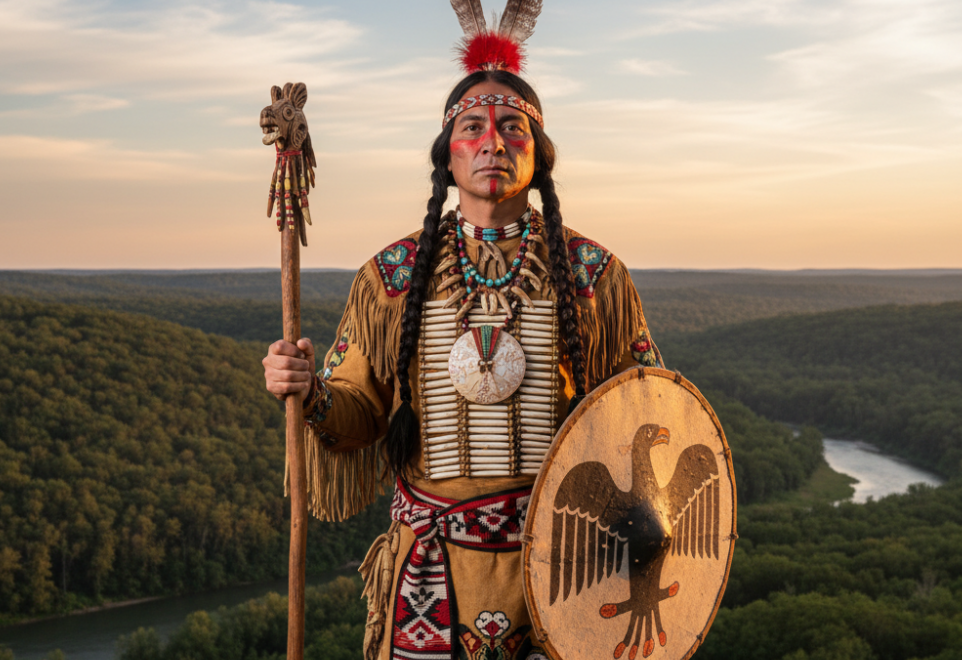
- Cherokee: The Cherokee traditionally used animal hides for shirts, skirts, and moccasins, but their distinct touch shines in ribbonwork and fingerwoven sashes. Men dressed in shirts with sashes and turbans (sometimes adorned with feathers), while women wore blouses with colorful tear-shaped capes and wraparound skirts. Decorative beadwork is common, and for ceremonial occasions, men might carry a feather fan or wear a decorated gorget (neck ornament). These clothing elements come together at important tribal events, showing pride and connection to Cherokee heritage.
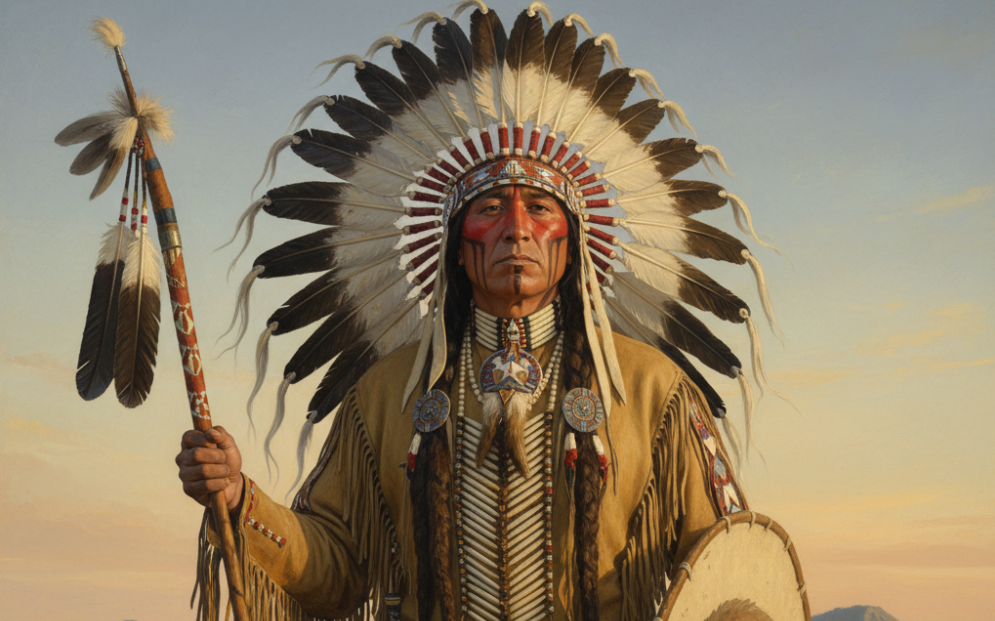
- Sioux: The Sioux, also known as the Dakota, Lakota, or Nakota people, are known for their detailed beadwork and decorated buckskin clothes. Men’s shirts and leggings, usually made of tanned deer or elk skin, might be painted or decorated with strips of colorful glass beads. Women generally wore long, beaded dresses with fringes, while both men and women would wear soft, beaded moccasins. The famous feathered warbonnet, often seen in media, was usually reserved for respected leaders or warriors, and earning each feather was significant and personal.
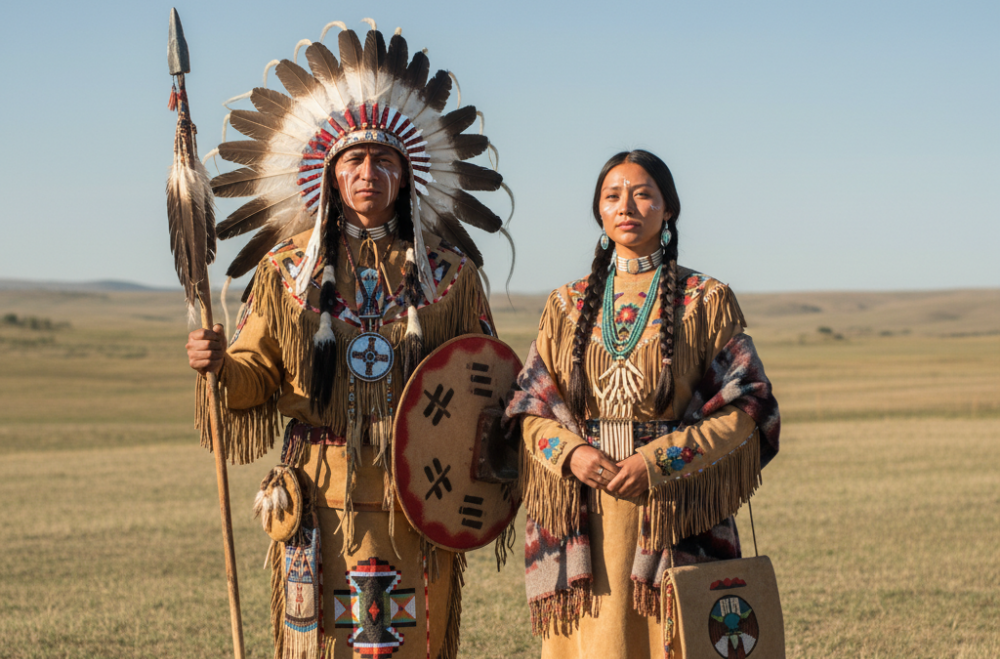
- Cheyenne: Cheyenne regalia includes buckskin dresses, breechcloths, and leggings, decorated with beadwork, elk teeth, or quillwork. Women’s dresses sometimes carry hundreds of elk teeth (a symbol of luck and respect), while men wore feathered headdresses (not just the warbonnet, but sometimes a single eagle feather or small roach headdresses for dances). Their clothing tends to feature soft earth tone colors highlighted with small pops of color. Cheyenne artisans keep these traditions alive, ensuring each piece holds meaning.
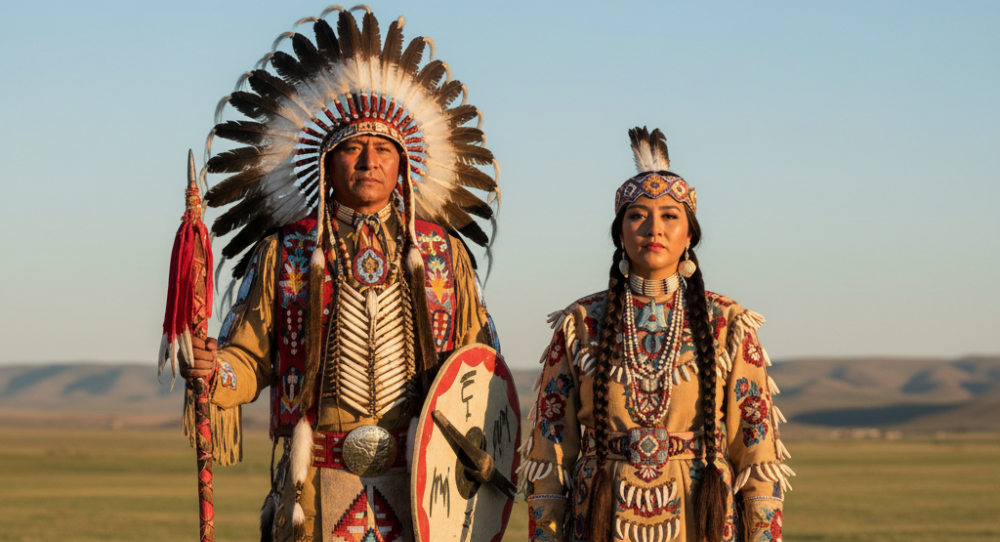
- Crow: Crow regalia is recognized by wide beadwork bands and dramatic fringe. Crow women’s dresses are typically made of deer or mountain sheep hides and covered in rows of blue and white glass beads. Men might wear longfringed shirts with broad beaded striping, and both men and women sometimes wore intricate otterfur headdresses or beaded chokers. The overall look is both bold and graceful, mixing colors and textures into something eye-catching.
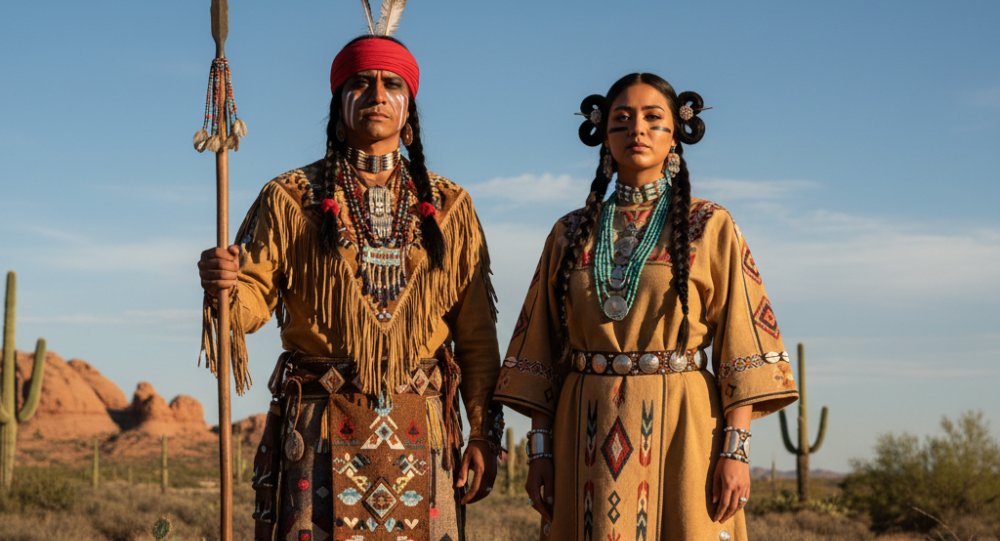
- Apache: The Apache favored practicality and movement, using deerskin for dresses, shirts, and high moccasin boots. Women often wore decorated deerskin dresses or twopiece outfits, while men chose shirts with leggings or breechclouts. Silver concho belts, shell jewelry, and headbands were popular, as were painted patterns and simple beadwork. These items helped Apache people show status or tribal membership, particularly at gatherings or celebrations.
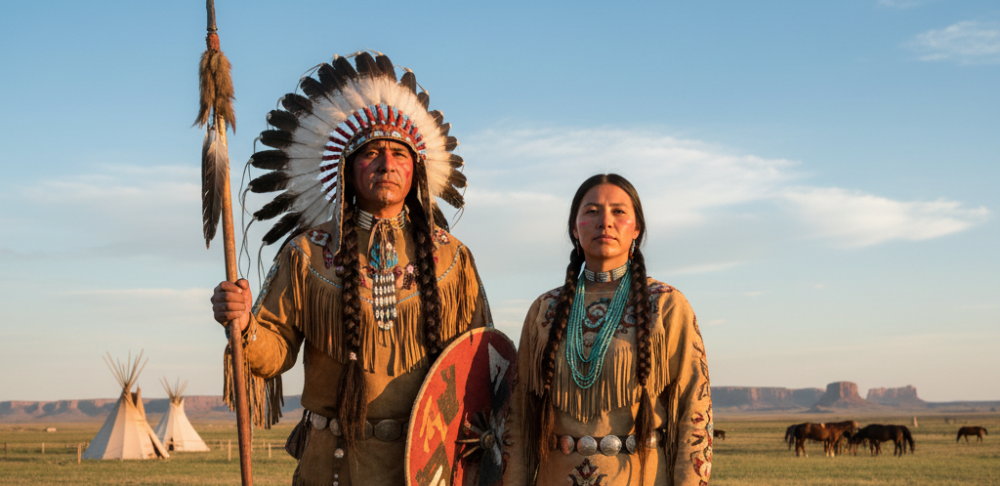
- Comanche: Comanche traditional clothing featured breechcloths and leggings for men, and soft leather dresses for women, often with shells, silver medals, or carved bone beads as decoration. Buffalo robes provided warmth and could be painted or quilled. Men sometimes wore an upright feather in their hair, while women used silver concho belts or large shell necklaces for ceremonies. The overall style is both functional for their horse culture and visually impressive at festivities.
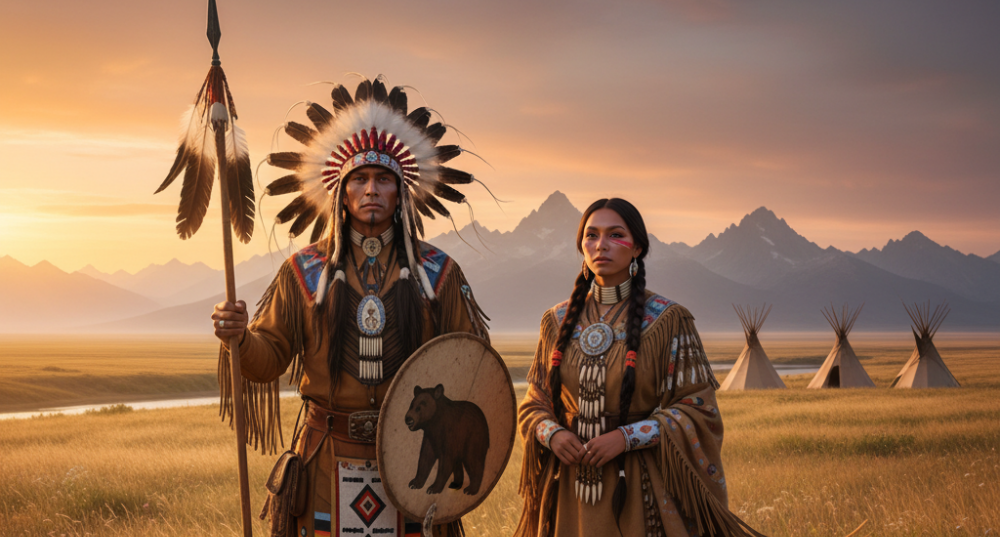
- Blackfoot: Blackfoot outfits include fringed and beaded buckskin shirts, dresses, and leggings. Moccasins are usually softsoled and decorated with floral beadwork. Crowns of animal fur, high plume headdresses, or feather fans might appear in ceremonial dress, all symbols of honor or spiritual connection. Blackfoot regalia stands out for its use of dark blue, red, and white beads, along with bright geometric patterns that connect modern families to ancient symbolism.
Designs, Materials, and Skills Behind the Clothing
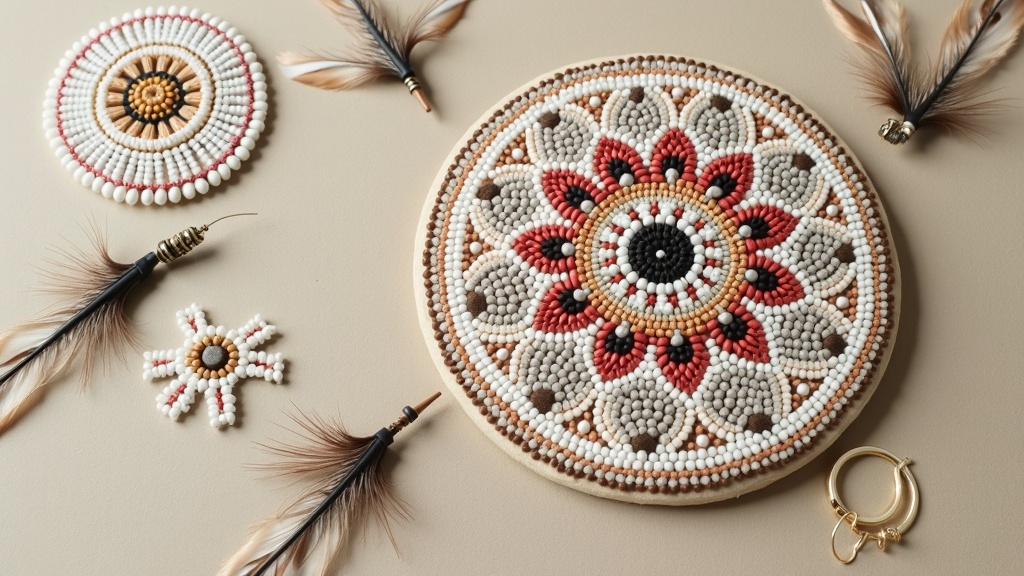
The artistry in regalia goes way beyond the material itself. Tribes have always mixed utility with artistry. Soft hides provide comfort in the summer and warmth in the cold, but the way those hides are decorated speaks to skill and heritage. Quillwork, for example, is the art of flattening, dyeing, and weaving porcupine quills into patterns. This practice was around long before Europeans arrived and introduced glass beadwork.
Beadwork quickly spread across many tribes once trade beads became available, and each tribe developed its favorite styles and patterns. I’ve seen Cheyenne and Sioux regalia especially stand out for their elaborate, geometric beadwork, while the Crow often lean toward broad stripes with bold color contrasts. Cherokee artisans are well known for their skill with fingerwoven belts, sashes, and even woven moccasins.
Feathers, shells, animal teeth, and silver also feature heavily. For example, Apache and Comanche clothing often includes silver jewelry and concho belts, which shine during dances. Elk teeth on Cheyenne dresses are considered lucky and show a family’s respect or hunting skill.
How Regalia Shows Identity and Honor
I appreciate how regalia can be seen as wearable storytelling. Specific designs can show which clan, society, or family someone belongs to. Buffalo and thunderbird motifs, for example, have spiritual meanings, while geometric shapes might stand for the land, animals, or seasons.
Among the Plains tribes like the Sioux, Cheyenne, and Crow, regalia can also show honors earned in battle or special roles within the tribe. Warbonnets and eagle feathers, for instance, aren’t just decorative; each feather can mark a specific accomplishment. Blackfoot dancers sometimes wear brightly painted body decorations to signal an important role in a ceremony or dance.
In modern times, many tribal members create and personalize their regalia to express pride in both shared and individual identity. You’ll often spot little details or color choices that represent family or local tradition during powwows. Each design helps tell a living story that keeps heritage alive.
Key Considerations and Challenges in Creating Traditional Clothing
Making traditional regalia takes time, patience, and a real understanding of traditional craft methods. Every piece is handmade to fit its owner and purpose; no two are ever exactly the same.
- Access to materials: Some of the old materials, like certain animal hides or natural dyes, can be tough to get today. Artisans have adapted by incorporating commercially tanned leather, glass beads, and synthetic sinew, but there’s a growing movement toward using traditional methods and natural resources when possible.
- Passing on skills: Not everyone learns these skills at home anymore, so many tribes offer workshops, mentorship, or classes on quillwork, beading, and sewing regalia. Elders and culture bearers play a big role in ensuring new generations can carry on these art forms.
- Respect and authenticity: Wearing regalia comes with deep respect. It isn’t the same as dressing in a “costume.” There are traditions around how to dress, what’s appropriate at ceremonies, and how to treat items with sacred significance. Many tribes also ask that regalia not be photographed or worn by non-members out of respect for their meaning.
Beadwork and Quillwork
Beads and quills really shape the look of traditional regalia and show off the artist’s creativity and family traditions. Each design tells a story or carries meaning. A beaded flower might symbolize beauty or family lineage, while a zigzag pattern could represent water or a lightning bolt. Family groups sometimes pass down special designs, and new ones are always being added to reflect changing lives and experiences.
Feathers and Animal Elements
Feathers, especially eagle feathers, hold important significance among many tribes. They’re seen as gifts from the sky and used in bonnets, fans, and sometimes in jewelry. Animal furs, hides, and teeth add texture and symbolism, and using them often marks respect for both the animal and the environment. Collecting these natural elements can connect people to old hunting and gathering traditions, bringing extra meaning to regalia today.
ModernDay Regalia and Its Role
Traditional clothing changes over time, but today’s regalia still holds onto its deep roots. Powwows and cultural festivals are popular places where you can see a burst of color, beading, and intricate detail. These events are about celebration, respect, and reminding everyone of the power and beauty of Native identities worldwide.
For tribal members, making, wearing, and even just seeing regalia can be a way to connect to ancestral knowledge, personal pride, and a wider Native community. Many young Native people get involved by learning beadwork or sewing from elders, making sure these traditions stay alive into the future. This sharing of skills also helps strengthen relationships and reinforce the collective memory of each community.
Frequently Asked Questions About American Indian Regalia
What materials are most commonly used in traditional regalia?
Most regalia is made of animal hide (like deer, elk, or buffalo), beads, feathers, shells, and fibers like cotton for sashes. Newer regalia might include synthetic fabric, metal sequins, or glass beading, depending on what’s available.
How do you learn to make regalia?
Many people learn from family members or community workshops, and some tribal colleges offer classes in traditional arts. Watching and helping at powwows is a great way to pick up tips and connect with artists.
Can anyone wear traditional regalia?
Regalia is usually reserved for tribal members, especially for pieces that have spiritual or ceremonial meaning. Non-Native people are encouraged to appreciate and learn about regalia respectfully, without using sacred designs for personal use.
Bringing Together History, Craft, and Identity
Traditional clothing and regalia from American Indian tribes do more than just decorate. They weave together stories, honor family, and keep history alive. From the beadwork of the Sioux and Cheyenne to the power of Blackfoot painted hides and Apache concho belts, each piece represents a unique mix of tradition, artistry, and living heritage for Native communities today. When you see regalia in action, you’re witnessing centuries of wisdom, celebration, and creativity, all stitched together for the world to see.
What a truly insightful guide! It highlights that the traditional clothing and regalia of American Indian tribes are not just beautiful garments; they are rich texts expressing identity, status, and history.
I am very curious about the meanings behind the designs themselves. You mentioned that geometric patterns can represent land or seasons, and specific animal motifs hold spiritual significance.
Aside from the well-known eagle feather, are there any common recurring symbols, such as specific geometric shapes or colors, that generally carry similar meanings across many different Plains tribes? Or are the meanings highly specific to each nation?
The role of shapes and colors definitely varies from tribe to tribe. If you’re not sure, you can reach out to someone who is something of an authority in that particular field. The only information I can provide is just a general overview. Good luck on your search!
This post is incredibly detailed and honors the depth, meaning, and artistry behind traditional American Indian regalia with genuine respect. I really appreciate how you highlight that these pieces are not “costumes” but living expressions of identity, history, and spirituality. Your breakdown of each tribe’s unique styles—from Cherokee ribbonwork to Crow beadwork and Cheyenne quillwork—gives readers a clear sense of how geography, belief, and community shape every stitch and design. The emphasis on handmade craftsmanship and the challenges artisans face today adds important context, especially regarding material access and the role of elders in passing down skills. I also love how you describe regalia as “wearable storytelling,” which perfectly captures its cultural significance. This guide not only informs but also encourages readers to approach Native regalia with a deeper understanding, admiration, and respect.
What a beautifully researched and respectfully written piece. You’ve done an incredible job honoring the deep cultural significance and artistry behind the regalia of American Indian tribes, moving far beyond mere “costume” into the realms of identity, spirituality, and heritage.
The way you connected specific materials, colors, and designs to their meanings, like the use of feathers, beadwork patterns, and natural dyes, truly helps the reader understand that each element is a language in itself. It’s clear this was written with care and a desire to educate, not appropriate. I particularly appreciated the emphasis on regional and tribal differences, which underscores that there is no single “Native American” attire, but a rich tapestry of living traditions.
Thank you for sharing such an important and enlightening resource. This is the kind of content that fosters genuine understanding and respect.