
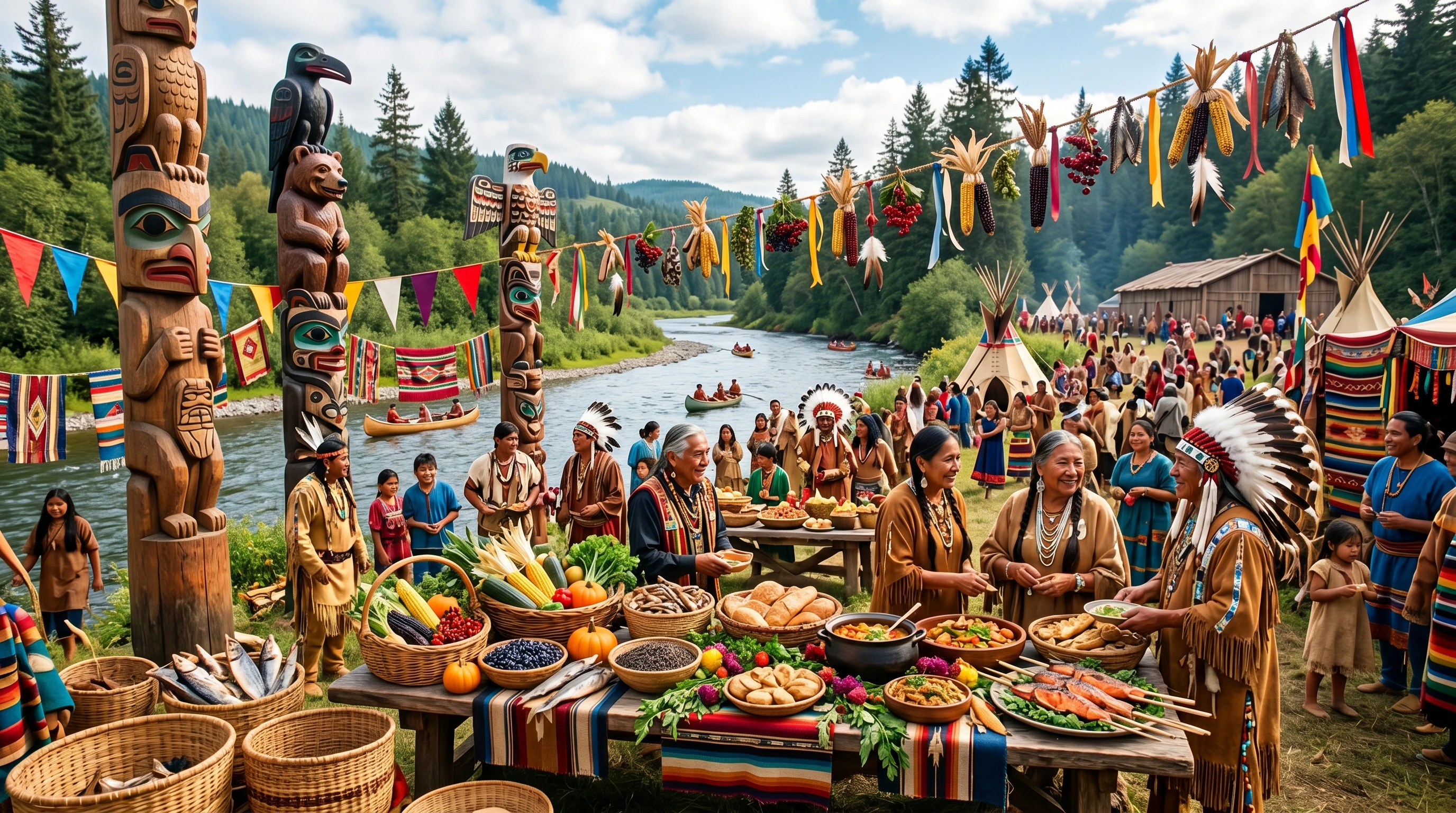
Seasonal celebrations and festivals have always been at the heart of Native tribes’ cultural life. These lively gatherings are rooted in deep tradition and serve as living connections between people, their ancestors, and the land. You’ll find everything from joyful harvest feasts to solemn winter rituals, each packed with meaning and local flavor. Experiencing these events gives you more than just a history lesson; it’s a chance to glimpse the heartbeat of Native cultures today.
The Meaning Behind Native Festivals
Seasonal celebrations aren’t simply social events. They mark major changes in nature and signal important moments in the year. For many tribes, these festivals link community members, honor ancestors, and reinforce cultural teachings. The timing often matches up with the moon phases, harvest times, or changes in the seasons. Think of them as more than just parties; they work as a way to pass down language, songs, art, and knowledge to younger generations.
Many Native festivals trace their origins back thousands of years while staying relevant even as the world changes around them. Although some details and traditions have mixed things up over time, their main focus stays strong: celebrating survival, gratitude, and community ties. If you’re joining as an invited guest, you’ll see that respect, listening, and participation are valued a lot more than just standing back and watching.
Popular Seasonal Festivals and Ceremonies
The range of celebrations among Native tribes across North America is wide. Some are large public events, while others are private, sacred rituals. Here are a few that show off the variety and soul of these gatherings:
- Green Corn Ceremony (Southeastern Tribes): This late summer gathering, especially important to the Cherokee, Muscogee (Creek), and Seminole, thanks the Spirit for the corn harvest. It includes dancing, fasting, feasting on the new corn, and spiritual cleansing rituals.
- Sun Dance (Plains Tribes): Practiced by tribes like the Lakota, Blackfoot, and Cheyenne, the Sun Dance happens each summer. This days-long ceremony centers on dancing, drumming, fasting, prayer, and sometimes piercing rituals, all focused on renewal and healing.
- Potlatch (Northwest Coast): Held by the Kwakwakawakw, Tlingit, and Haida, the Potlatch is both a feast and a ceremonial gifting event. These elaborate winter or early spring gatherings include storytelling, dancing, totem raising, and the distribution of goods and gifts; it’s a sign of generosity and community strength.
- Salmon Return Festivals (Pacific Northwest): Many coastal and riverine tribes like the Yurok, Nisqually, and Nez Perce celebrate the return of salmon each year. These spiritual and communal ceremonies thank the salmon, honor the natural cycles, and encourage careful stewardship of rivers and fish stocks.
- Maple Sugaring Festivals (Northeast Woodlands): The Anishinaabe and Haudenosaunee (Iroquois) mark the maple sugar harvest each spring. Traditional songs, dances, and maple syrup tastings celebrate the sweet reward after a long, cold winter.
Key Seasonal Festivals Throughout the Year
Festivals come and go with the seasons, and each has its own character depending on the time of year and the local environment. Here’s a quick look at how different tribes keep track of their seasonal calendar:
- Spring: Renewal is a major theme. Ceremonies thank the Creator for new growth and healthy communities. Maple syrup festivals, planting feasts, and water blessings are common in the Northeast and Plains.
- Summer: This season bursts with activity. It’s the setting for large gatherings like the Sun Dance, turtle festivals (among Eastern tribes), and traditional powwows. Summer is seen as a time of strength, abundance, and honoring the sun’s energy.
- Fall: Harvest celebrations like the Green Corn Ceremony, acorn festivals in California, or salmon festivals focus on gratitude for the earth’s gifts. Many tribes take time to offer thanks and reflect before the quieter winter months move in.
- Winter: Storytelling, drumming, and indoor celebrations keep the spirit alive during colder, darker times. Potlatches, winter counts, and the Iroquois Midwinter Ceremony bring the community together to start the new year with meaning and intention.
In many areas, these festivals also double as a way to teach younger generations about natural cycles, traditional crafts, and local stories. For instance, kids might help prepare food, learn basketmaking, or hear stories by the fire about animal spirits and family origins.
Elements Common to Many Native Festivals
Even though traditions differ widely from region to region, there are some elements you’ll see often:
- Music and Dance: Drumming, singing, and dancing are universal parts of celebration. Styles and steps tell stories, honor spirits, or just bring everyone together for fun.
- Feasting: Sharing food matters just as much as spiritual ceremonies. Harvested corn, wild rice, berries, salmon, game, and frybread appear on the menu, depending on where and when you visit.
- Storytelling: Elders take center stage, sharing stories about family, the land, and past heroics. Storytelling helps connect people across the generations and keeps language and customs alive.
- Ritual Objects: Items like sage, sweetgrass, handdrums, masks, regalia, and carved poles often have a starring role. These are more than art—they have meaning and are treated with real care.
- Gifting and Sharing: Whether it’s a Potlatch on the Northwest coast or a simple exchange between friends, generosity is important. Trading, giving, and supporting neighbors is woven into almost every celebration.
Respectful Participation: Dos and Don’ts for Visitors
Showing up for a Native festival is an honor, but also comes with responsibilities. Many public powwows welcome visitors, while some private ceremonies are just for tribal members. Always check ahead and look for signs or announcements explaining what’s expected. Here are some friendly tips for guests:
- Be respectful of local customs, and ask permission before taking photos or recording audio/video.
- If you’re invited to a feast, thank the hosts and bring a food offering if it’s welcome.
- Listen before speaking, especially during ceremonies. Silence is often just as meaningful as participation.
- Dress modestly, and skip costumes or clothing that imitates traditional regalia.
- Offer thanks if you receive a gift, and never trade or sell anything given during a ceremony.
Visitors who arrive with curiosity and care often leave with new friends and deeper insights. Giving back to the community, even with a simple thank-you or sharing what you’ve learned, builds trust and shows genuine appreciation.
Challenges and Revival of Traditions
Like all communities, Native tribes have faced big challenges in keeping festivals alive. Colonization, forced assimilation, and laws aimed to erase traditional ceremonies through much of the 19th and 20th centuries. Many festivals went underground, and families quietly handed down songs, dances, and stories to keep them safe.
Lately, efforts to revive and bring back traditional celebrations have picked up real steam. Young people are jumping in as singers, dancers, and language keepers. Teamwork between tribes and local governments has helped open up public events that celebrate Native culture, inviting visitors to learn and help out rather than just watch. Social media has spread festival highlights far beyond tribal borders, making it easier to share and celebrate together.
It’s crucial to remember that not every tradition is meant for outsiders. Some ceremonies, songs, or stories are deeply sacred and meant only for the community. Respecting those boundaries helps traditions thrive for the next generation.
Why These Celebrations Still Matter Today
Seasonal celebrations keep Native communities connected to their roots and remind everyone—tribal and nontribal—of the strong relationship people have with nature and one another. They create ways to heal old wounds, teach respect for the land, and make sense of time with meaning rather than just dates on a calendar.
Native festivals have also grown into teaching moments for visitors and younger tribal members alike. They show off art, language, plant wisdom, and the joy of coming together as a community. Community members—elders and youth, artists and cooks—keep breathing new energy into old traditions while holding tight to the ceremony’s spirit. For those wanting to learn, support local tribes, or simply get a new view of North America, attending a community celebration is a smart first step.
Frequently Asked Questions
People often have questions about Native celebrations, especially if they’re not familiar with tribal customs. Here are some of the most common:
Question: Can anyone attend a Native festival or ceremony?
Answer: It depends. Many public powwows, harvest feasts, and festivals are meant for everyone, while sacred or private ceremonies are invite-only. Always check ahead before showing up.
Question: Is it okay to take photos or film?
Answer: Only if you have permission. Some dancing and feasting are open for photos, but others are not. Look for posted signs or ask someone before taking pictures.
Question: How can I support or honor Native communities through their celebrations?
Answer: Shop from local artists, pitch in at community fundraisers, learn the history behind festivals, and listen to Native voices. Try not to treat festivals as mere tourist attractions, and participate with humility and gratitude.
The color, sound, and spirit of Native celebrations make them unforgettable and important in today’s world. Supporting these traditions helps everyone—tribal members and guests alike—get a sense of the beauty and wisdom of Native cultures through every season.