
Beadwork has been around for centuries, appearing in just about every culture you can think of. Whether it’s intricate jewelry, decorative garments, or unique art pieces, the charm of beadwork comes from the hands-on attention to detail that each bead demands. The process is relaxing, the results are eye-catching, and learning even the basics can open up a new creative world. I’ll walk you through what makes beadwork special, how to get started, common challenges, some pro tips, and practical ideas for beginners who want to get into it.
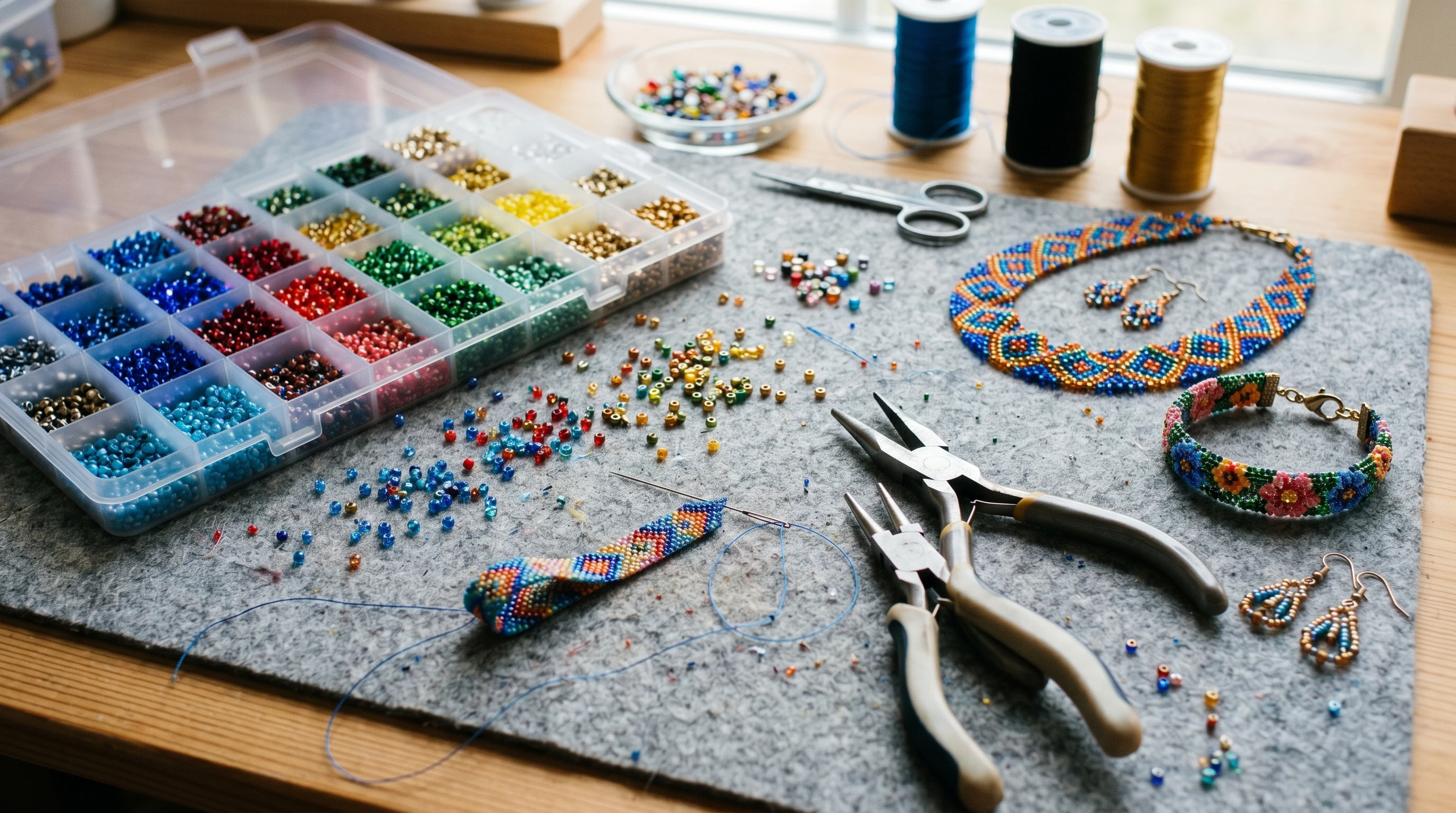
Beadwork: A Timeless Craft
Beadwork feels like a universal language in the world of crafts. From Native American bead embroidery to West African trade beads, cultures across continents have used beads for adornment, currency, and even to mark important occasions. Each bead tells a bit of a story. It says something about who made it and how it was used.
Historically, beads have been made from all kinds of materials: glass, shells, seeds, gemstones, and even bones. In places like Egypt and Mesopotamia, beads were a sign of wealth and status. Today, beadwork finds its place in fashion, interior decor, and personal keepsakes. Whether I’m stringing up a quick bracelet or trying my hand at more complex patterns, the craft connects me to an age-old tradition while letting my own creativity shine through.
Beginner’s Guide to Beadwork Materials and Tools
Starting out with beadwork can feel a little overwhelming with all the tiny pieces involved, but it gets easier once you know the basics. Here’s a list of things you’ll want to have nearby if you’re just starting out:
- Beads: Available in glass, plastic, wood, semiprecious stones, and metal. Seed beads are the best pick for a lot of weaving and embroidery projects.
- Thread: Nylon, polyester, and special beading threads like Fireline or Nymo are favorites. For stretch bracelets, elastic cord is really handy.
- Needles: Beading needles are thin enough to fit through tiny beads. Some projects use regular sewing needles, but real beading needles work better for most patterns.
- Scissors: Sharp scissors make cutting thread easier. Small embroidery scissors are a good choice.
- Bead mats/trays: These stop beads from rolling away and keep your workspace tidy.
- Findings and Clasps: Things like jump rings, earring hooks, and clasps are what let you finish projects so you can actually wear or display them.
Picking out good-quality materials makes a difference. Cheaper supplies can snap or tarnish, while good thread and beads last longer and feel nicer to work with.
Simple Steps for Getting Started with Beadwork
Beginning a new craft always feels a little daunting, but with beadwork, the first steps are pretty straightforward:
- Pick a Starter Project: A basic necklace, stretchy bracelet, or even a simple beaded keychain are perfect beginner projects. Kits are also a good way to start since they come with instructions and everything you need.
- Sort and Prepare Your Beads: Use a bead mat or a divided tray to keep things organized.
- Cut Your Thread: Measure out a bit more than you think you’ll need. It’s better to have extra than run short.
- String or Stitch: Whether you’re working with a beading needle or simply stringing on elastic, thread the beads according to your chosen design.
- Secure the Ends: Tying knots (like surgeon’s knots) or using special crimp beads and clasps helps keep things together and stops beads from falling off.
Practicing these basics will help you get comfortable before moving onto more complex patterns. It’s also a good idea to look up some online tutorials or local classes for extra tips and camaraderie, as beadwork can be even more fun when you share your progress with others.
What to Watch Out For Before Getting Into It
Like most crafts, beadwork has its own set of challenges. Here are some hiccups I’ve run into and how I worked around them:
- Thread Tangles: Using a thread conditioner like beeswax or Thread Heaven keeps thread smooth and way less likely to knot up.
- Beads Breaking: Be gentle! Forcing a needle through a bead can make it crack. If a bead is tough or the hole is small, swap it for another rather than pushing through.
- Eye Strain: These pieces can be tiny, so good lighting and even a magnifying lamp can help a bunch. Taking short breaks gives your eyes (and hands) a breather.
- Running Out of Supplies: Double-check you have enough thread and beads before starting. Keeping a small stash of extras, especially clasps and common bead colors, saves headaches if you drop or lose something.
Thread Tangles
Working with long pieces of thread can lead to tangles and knots. Keeping thread lengths shorter (roughly from hand to elbow) makes them easier to handle and less likely to get messy. Conditioning thread before starting also really helps.
Bead Breakage
If you hear a snap or see a crack, that bead is better left out. Some kinds of glass and crystal beads are especially fragile, so a gentle touch is better than rushing. Choosing flexible needles and the right size thread goes a long way toward a smoother process.
Eye and Hand Fatigue
Staring at tiny beads for hours can make your eyes feel tired, and repetitive movements might annoy your wrists. Taking breaks, stretching your hands, and setting up an ergonomic workspace pays off in the long run.
Staying Organized
Little spills are part of beadwork life. Using trays with sections, resealable bags, or pill organizers makes sorting by color and size a lot easier. A bead mat keeps things from rolling away.
Plenty of crafters bump into these same issues early on, but with a few fixes and patience, it doesn’t take long to feel confident and get into a creative flow. Over time, as you get more experienced, these challenges start feeling like small bumps rather than big obstacles.
Tricks for Stepping Up Your Beadwork
Once you’ve nailed the basics, experimenting with new stitches and techniques keeps things interesting. Here are some ideas that I think are really useful as you move beyond beginner-level work:
Learn Different Stitches: Try peyote stitch, right angle weave, brick stitch, and bead embroidery. Each stitch creates a unique texture and look. Tutorials on YouTube and beadwork blogs are packed with step-by-step guides that break each technique down simply.
Experiment with Designs: Mix bead sizes, shapes, and finishes for more creative projects. Combining shiny with matte, or round with square beads, adds variety and makes finished pieces stand out.
Use Color Theory: Taking time to plan color combinations can make even the simplest piece pop. I like experimenting with complementary or analogous colors for interesting effects. There are plenty of online color palette generators if you want extra help picking just the right shades for your next project.
Try Three Dimensional Projects: Beyond flat necklaces or bracelets, you can make beaded animals, flowers, or miniature sculptures. These projects take more time but are super fun to display or give as gifts. Venturing into 3D beadwork also helps sharpen your problem solving skills and can inspire you to dream up your own unique creations.
Building up some advanced skills makes it easier to come up with your own patterns. Adding decorative edges, mixing in charms, or working on bead embroidery all give projects that next-level cool factor. Don’t hesitate to share your work online—inspiration and supportive feedback flow freely in crafter communities.
Basic Beadwork Project Ideas for Beginners
There’s a whole world of beaded crafts out there, but these are the projects I found most approachable and rewarding when starting out:
- Stretch Bracelets: Just beads and elastic cord, no need for complicated techniques. Quick and satisfying.
- Beaded Bookmarks: String beads onto a length of cord or wire, finish with a small charm or tassel, and you’ve got a handy bookmark that’s both functional and charming.
- Embellished Keychains: Use larger beads and split rings for colorful keychains that make great gifts.
- Simple Beaded Earrings: Head pins, beads, and earring hooks come together fast for a project that’s wearable right away.
- Beaded Embroidery Patches: Stitch beads onto felt or fabric scraps and turn them into pins or applique patches for bags and jackets.
These beginner projects help you learn the basics of threading, knotting, and simple designs without requiring a ton of supplies or advanced techniques. You can always add in more difficult techniques as you become more confident with the basics.
Frequently Asked Questions
Here are a few questions that come up a lot for folks getting into beadwork:
Question: What’s the easiest beadwork technique for total beginners?
Answer: Stringing beads onto elastic or wire is by far the simplest way to start. You just pick your beads, string them on, and tie or crimp the ends. Stretch bracelets and basic necklaces are good beginner picks.
Question: How do I stop my beadwork from falling apart?
Answer: Choosing the right thread and knot (like surgeon’s knots or using crimp beads) makes a difference. Double-check that clasps and fastenings are secure before wearing anything out and about. A quick tug test before finishing your project will save heartache later.
Question: Where can I track down inspiration and patterns?
Answer: There’s a huge online community for beadwork. Pinterest, Instagram, and craft blogs like Beadaholique or Fusion Beads offer tons of tutorials, free patterns, and troubleshooting help. Local bead shops sometimes host classes and share pattern ideas too.
How to Make the Most of Your Beadwork Adventure
Beadwork offers a mix of creativity, relaxation, and the joy of making something by hand. Each piece is a little testament to patience, focus, and personal style. Whether you’re crafting gifts, making jewelry for yourself, or exploring new techniques, the world of beadwork is big enough to keep things interesting no matter your experience level.
Trying out beadwork is a rewarding way to unwind, develop a crafty hobby, and maybe even come away with some meaningful keepsakes for yourself and loved ones. So grab a mat, pick your favorite colors, and see what you can make with just a thread and a handful of beads. You might stumble upon hidden talents or simply find a new way to relax after a long day.