
Spiritual beliefs and practices have shaped how people see the world for thousands of years. Among various tribes around the globe, these traditions are not just rituals but are at the core of daily life, influencing everything from community gatherings to how people interact with nature. Exploring these ways of life gives a window into different cultures and the importance of keeping these practices alive, even as the modern world continues to change quickly.
Why Tribal Spirituality Matters
Tribal spirituality is deeply woven into language, music, and the way stories get passed down. It’s not just about religious rituals. It’s about how people see themselves and their role in the universe. For many tribes, the land is sacred, and ancestors are always close by, guiding decisions or watching over families. These beliefs are a living part of the community, helping everyone connect with their roots and with each other. It’s a way of life that really values respect for nature, gratitude, and keeping old wisdom alive for the next generation.
With more people starting to realize the value of indigenous perspectives, tribal spiritual practices have started finding a place in broader cultural conversations. Researchers have shown that connecting with these older belief systems can boost well-being, create strong communities, and give people a sense of belonging that modern life sometimes lacks. These traditions aren’t frozen in time. They keep evolving, blending with new experiences.
Getting to Know Key Tribal Spiritual Practices
It’s easy to assume all tribal beliefs look the same, but that’s not the case. Every tribe has its own stories, rituals, and ways of understanding the unseen world. Some spiritual practices have become part of global discussions, while others are still closely guarded within tribal communities. Here are a few core spiritual practices found in many tribes across continents:
- Ancestor Worship: Honoring ancestors is a big deal in many tribal societies. People believe that the spirits of past family members offer protection and guidance, and many important decisions are made with their blessing in mind.
- Nature Connection: The natural world is seen as alive and full of spirit. Rivers, mountains, animals, and even the weather often have their own personalities or spiritual significance.
- Storytelling and Oral Tradition: Myths and legends about creation, heroes, and tricksters aren’t just entertaining; they’re how values and life lessons get passed down.
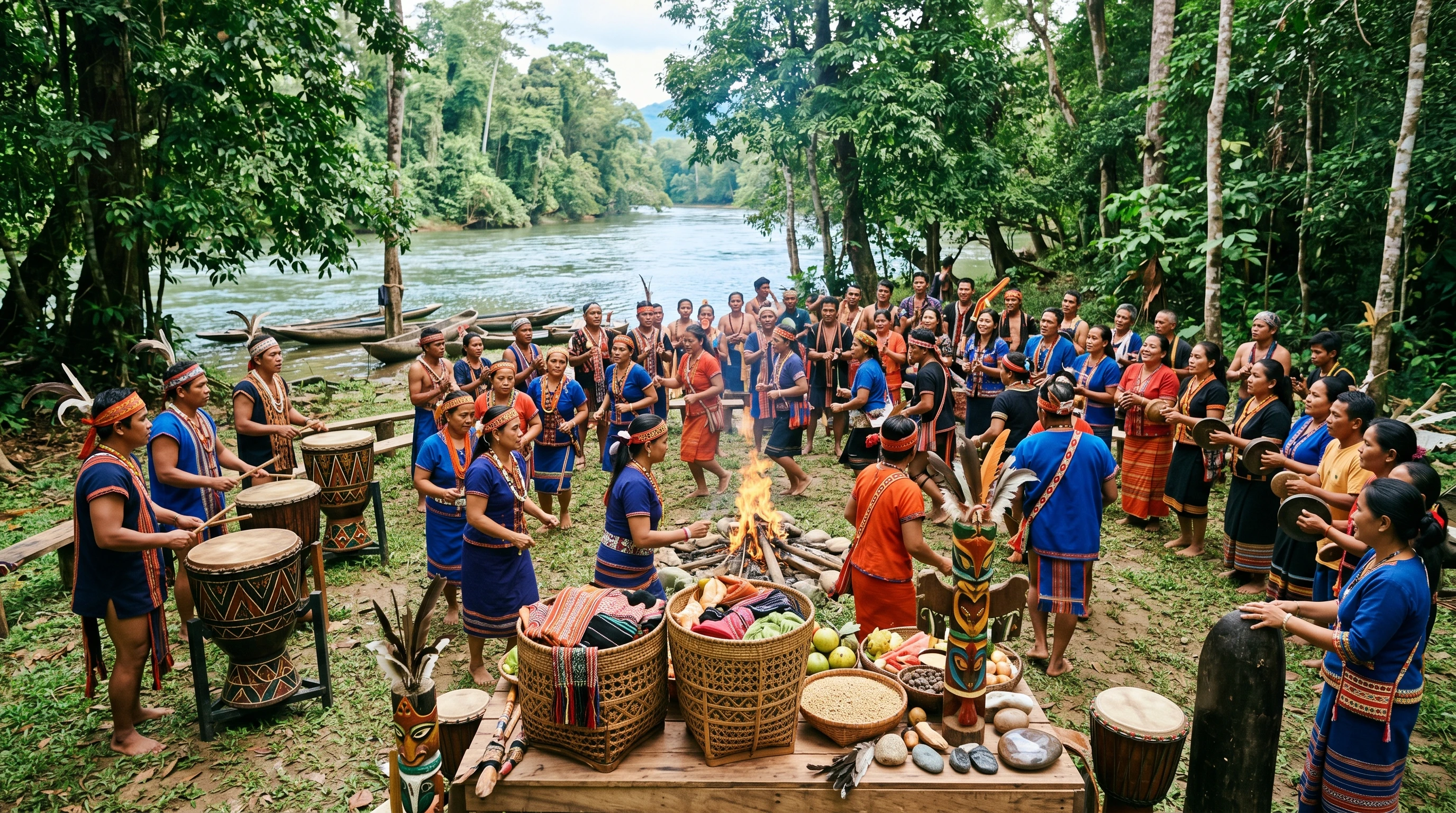
- Ritual Ceremonies: Dance, drumming, chanting, and painting are some of the ways communities mark big life events, call for healing, or give thanks for harvests and the change of seasons.
How Tribal Beliefs Shape Everything
These spiritual traditions aren’t limited to ceremonies. They shape daily choices and relationships. Among the Lakota Sioux, for example, the concept of “Mitákuye Oyás’iŋ,” often translated as “all my relatives,” teaches that every animal, plant, and person is connected. This inspires communities to treat the land with care and approach conflicts with respect. In West African Yoruba traditions, daily offerings and prayers keep people tuned in to the divine forces thought to direct health, luck, and family life.
Even in the Amazon rainforest, tribes like the Shipibo-Conibo use plantbased rituals not just for healing but to strengthen community bonds and nurture a deep relationship with their environment. These approaches encourage a circular way of thinking; what you do to the environment or others eventually circles back to you.
Things Worth Thinking About When Learning Tribal Spirituality
Getting into tribal spiritual beliefs isn’t always straightforward. Some knowledge is open, especially what’s shared by elders for educational or awareness purposes. Other parts are sacred and only shared within the community. Here are a few things I like to keep in mind when learning about or talking with people from these traditions:
- Respect Boundaries: Some tribes prefer to keep certain rituals private. Asking permission and staying curious but humble always helps.
- Diversity Matters: One tribe’s belief system or practice might be completely different from another’s, even if they’re neighbors. There’s no one size fits all set of “tribal beliefs.”
- Modern Changes: Colonialism, technology, and globalization have changed many tribal traditions. Some have faded, while others have adapted new forms to fit changing times.
- Healing and Wellness: Many traditional healing practices are drawing modern scientific interest, especially in fields like plant medicine or mental health. Approaching these with sensitivity means recognizing that they’re both science and spirituality.
Preserving Sacred Spaces
Many tribes see mountains, rivers, groves, and stones as sacred places. Protecting these areas is super important for keeping spiritual traditions alive. It also plays a role in environmental conservation, since these lands are often untouched by large development projects. Supporting indigenous rights and listening to their concerns about land use or climate change makes a real difference.
Passing on Traditions
Young people in tribal communities are at the center of keeping practices alive. Elders teach using ceremonies, songs, and hands-on experience on the land. This process is a blend of learning, doing, and respecting the wisdom of those who’ve come before. Keeping traditions going isn’t just about copying the past; it’s about planting seeds for the future.
Tips for Understanding Tribal Spirituality Better
Getting to know tribal spiritual practices opens up a different way of looking at the world. Here are a few things I find really useful for learning more:
- Listen to Stories: Many tribes share their beliefs through stories, music, and dance. Attending public events, reading authentic accounts, or watching documentaries can help bring these experiences to life.
- Connect with Community: Some communities offer talks, arts workshops, or guided tours that share a piece of their culture. Supporting these activities helps keep traditions going and creates chances for meaningful exchange.
- Read and Research: Books by indigenous authors or researchers often offer nuanced perspectives. Websites like Smithsonian’s Native Voices or Cultural Survival provide good starting points.
Real World Impact of Tribal Practices
Tribal spiritual beliefs aren’t just for private worship. They show up in art, activism, and public events. Here are some examples I find really interesting:
- Art and Identity: Traditional crafts, from Navajo weaving to Maori carving, often tell spiritual stories and keep language and skills alive. These art forms sometimes find new life in galleries or cultural centers around the world.
- Environmental Action: Tribal leaders are often at the front line of protecting rainforests, rivers, and other wild places. Their spiritual connection with the land gives them a unique motivation to stand up for the natural world.
- Community Healing: Ceremonies and group rituals create a space for dealing with trauma, grief, or major life changes. This builds stronger communities and supports mental health.
Frequently Asked Questions
People are often curious about tribal spiritual practices and how to approach learning about them. Here are a few questions I get a lot:
Question: Are tribal spiritual beliefs considered a religion?
Answer: Not all tribal spiritual practices fit into the boxes of organized religion. They’re usually more about lifestyle, values, and a personal relationship with nature and ancestors than rules or doctrine.
Question: Can outsiders participate in tribal rituals?
Answer: Sometimes, yes, especially if it’s a ceremony that’s open or done for cultural education. It’s always best to ask and respect the boundaries set by tribal leaders or elders.
Question: What’s the role of shamans or medicine people?
Answer: Shamans or medicine people act as healers, guides, and spiritual leaders. They help connect people with the spiritual world and are really important for community health and guidance.
Spiritual Beliefs in Everyday Life
Tribal spirituality shows up in subtle, everyday ways. A blessing before a meal, a quiet walk in the forest, or painting symbols on a door for protection—these are some examples. Observing how these practices live side by side with modern life is one of my favorite things about learning from indigenous cultures. The patience, gratitude, and sense of community that come from these traditions are really worth paying attention to, whether you’re part of a tribe or just curious about new perspectives.
With curiosity and respect, anyone can learn from these remarkable spiritual traditions. They offer a powerful reminder that connection with nature, ancestors, and each other is at the heart of a full and meaningful life. Even in a fast changing world, these traditions provide wisdom and support for navigating life’s highs and lows.