
Stories of American Indian heroes and legends have always fascinated me. These incredible figures, both real and legendary, show what courage, honor, and clever thinking look like in the face of adversity. They’ve shaped not just tribal histories but the entire story of North America. In this article, I’m spotlighting some well-known figures and the tales that have kept their memories alive for generations.
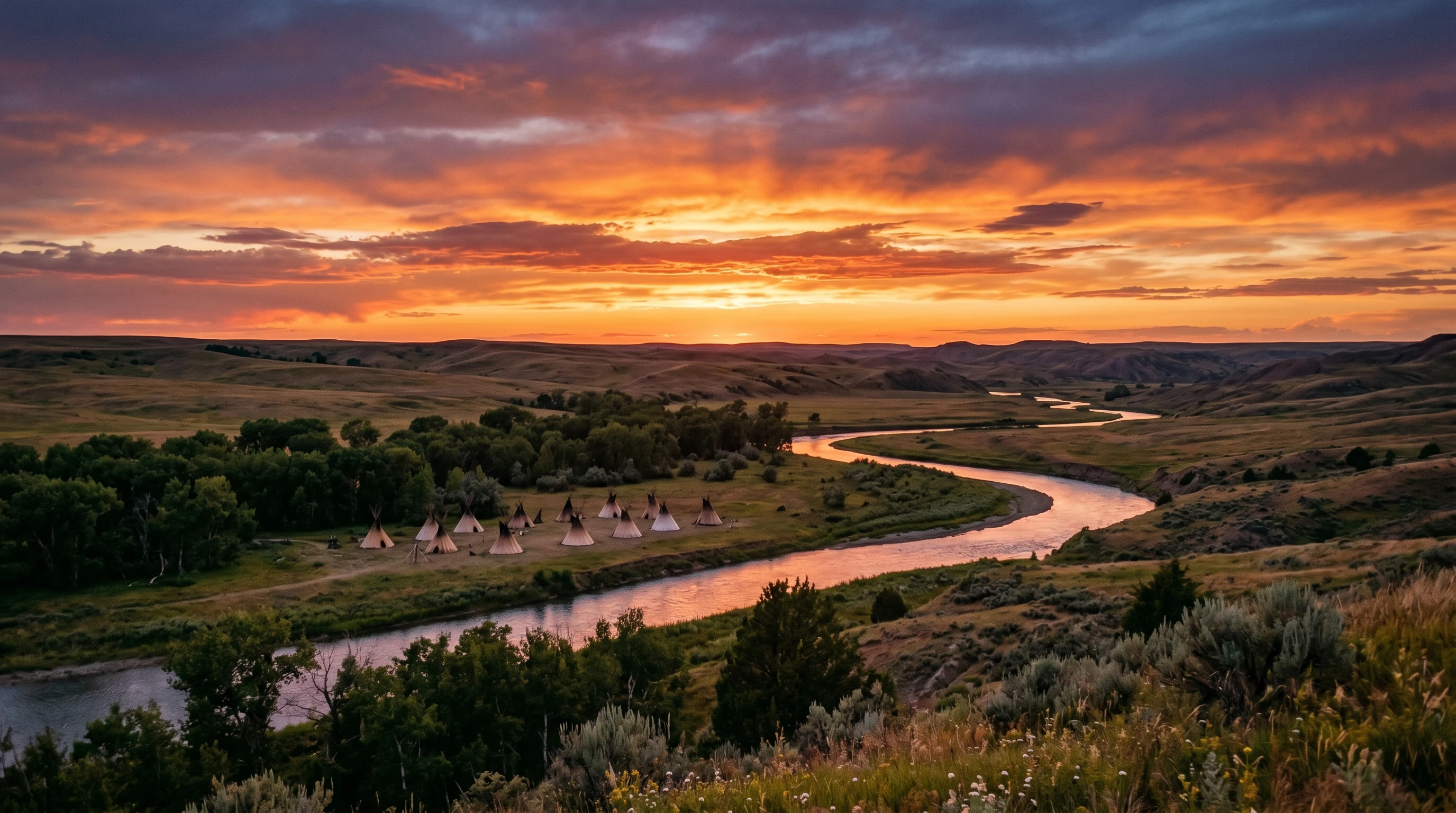
Heroes Who Shaped American Indian History
Certain people stand out whenever I read about the most influential American Indian leaders and heroes. Their achievements, struggles, and ideas didn’t just impact their own nations; they left marks on American history that can still be traced today. Their stories cover diplomacy, warfare, resistance, and the ongoing fight for cultural dignity.
When I hear the names Sitting Bull, Geronimo, Chief Red Cloud, Chief Joseph, and Crazy Horse, I remember each made bold choices under immense pressure. Many of their choices turned into legendary moments that still inspire pride and respect. These individuals often had to make quick decisions under life-changing circumstances, balancing tradition and adaptation while facing conflicts that threatened their people’s ways of life.
Key Figures: Real Leaders, Legendary Stories
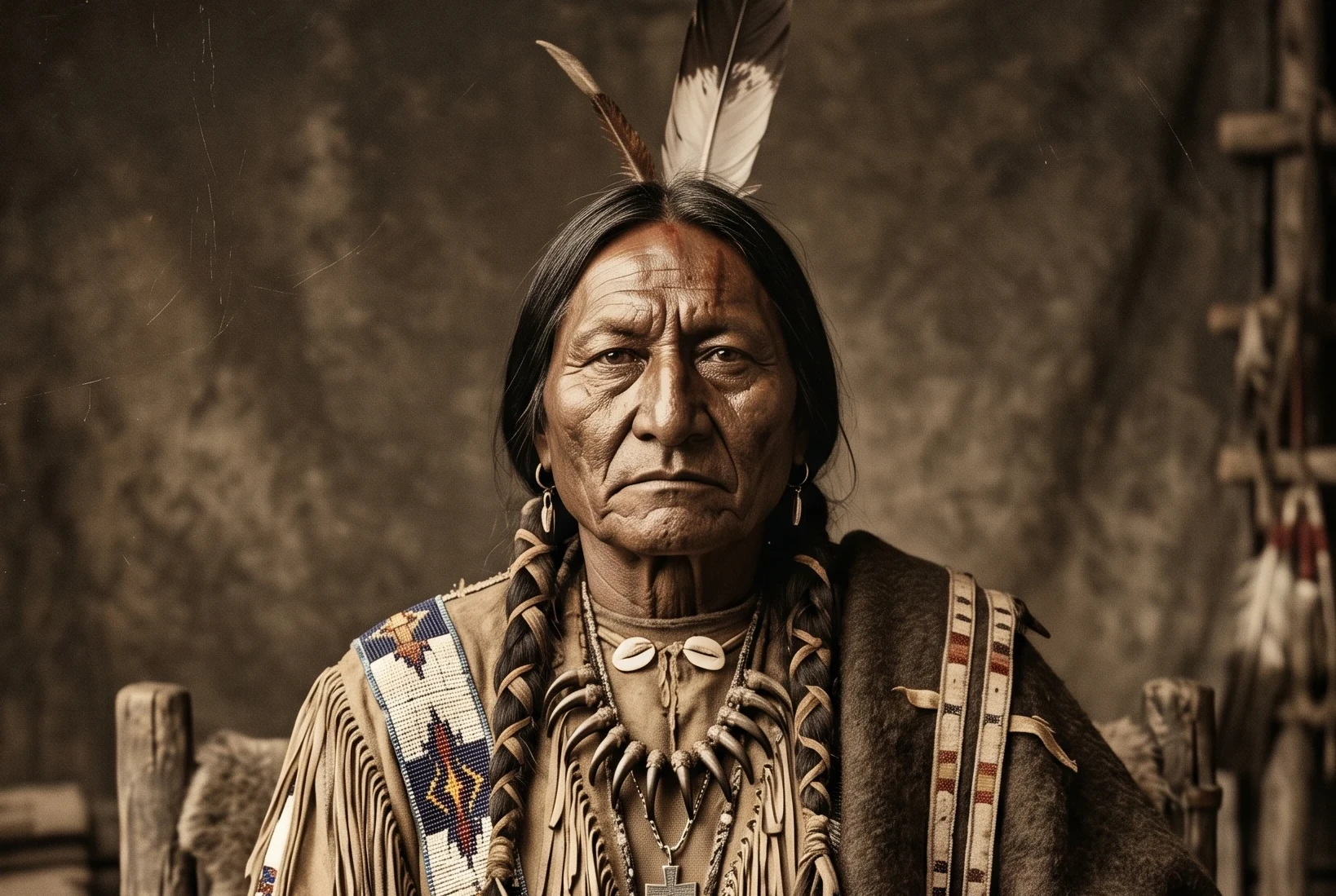
- Sitting Bull: Known as a spiritual guide and leader of the Hunkpapa Lakota Sioux, Sitting Bull played a major role in the resistance against U.S. government policies. He’s probably best known for his leadership at the Battle of Little Bighorn in 1876, where Lakota and Cheyenne warriors defeated General Custer’s forces. Beyond his battlefield successes, Sitting Bull spent his life working to preserve Lakota traditions. Forced eventually into Canada, and later onto a reservation, he maintained his dignity and dedication to his people up until his controversial death in 1890.
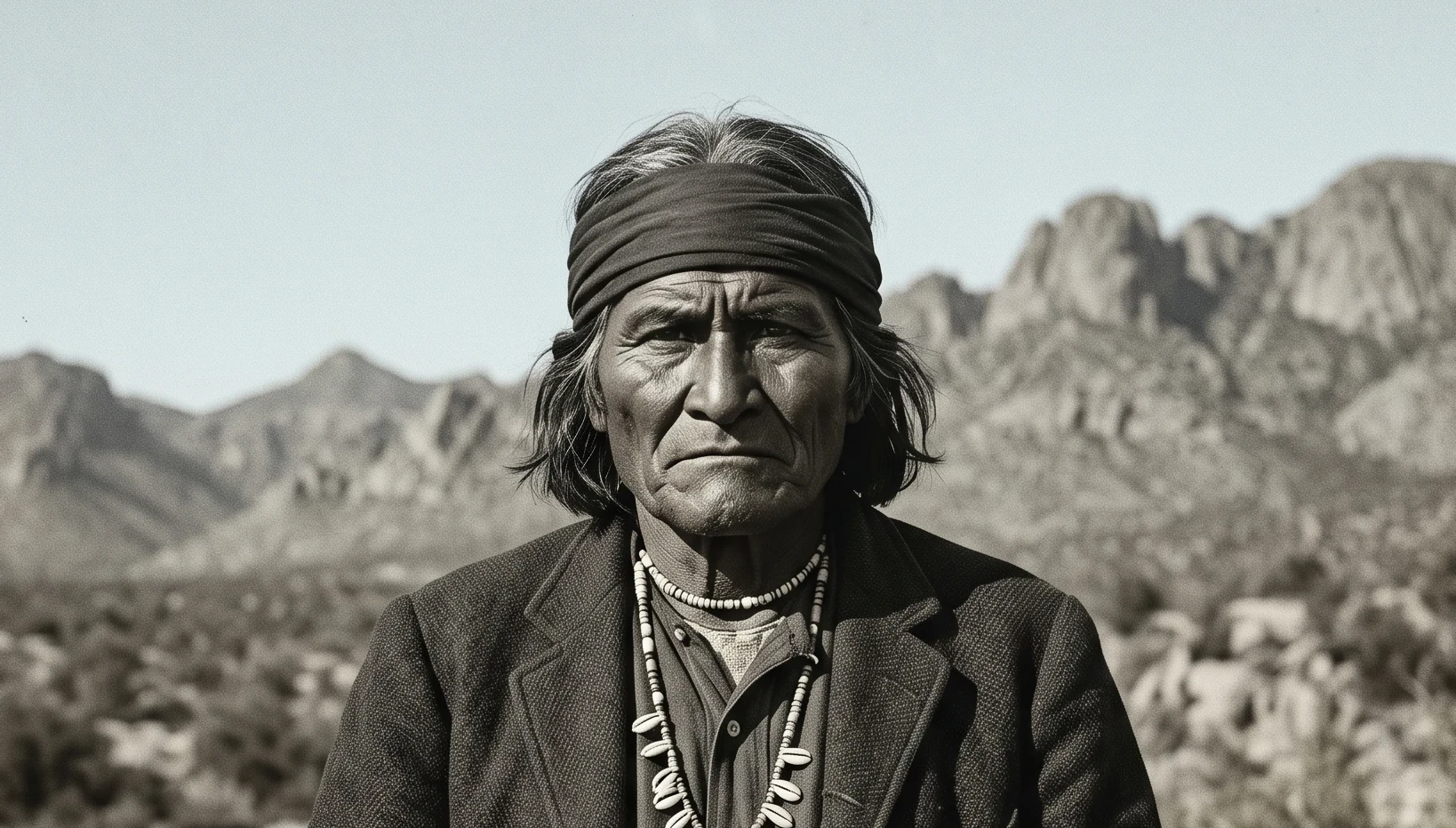
- Geronimo: As a leader of the Chiricahua Apache, Geronimo became legendary for his daring raids and unbreakable will after his family was killed by Mexican soldiers. He led a stubborn resistance against American and Mexican expansion, hiding with his followers in the harsh desert. Eventually captured in 1886, his long campaign made him both feared and respected, even by those who opposed him. Geronimo’s name still pops up in pop culture, usually as a symbol of defiance and survival against the odds.
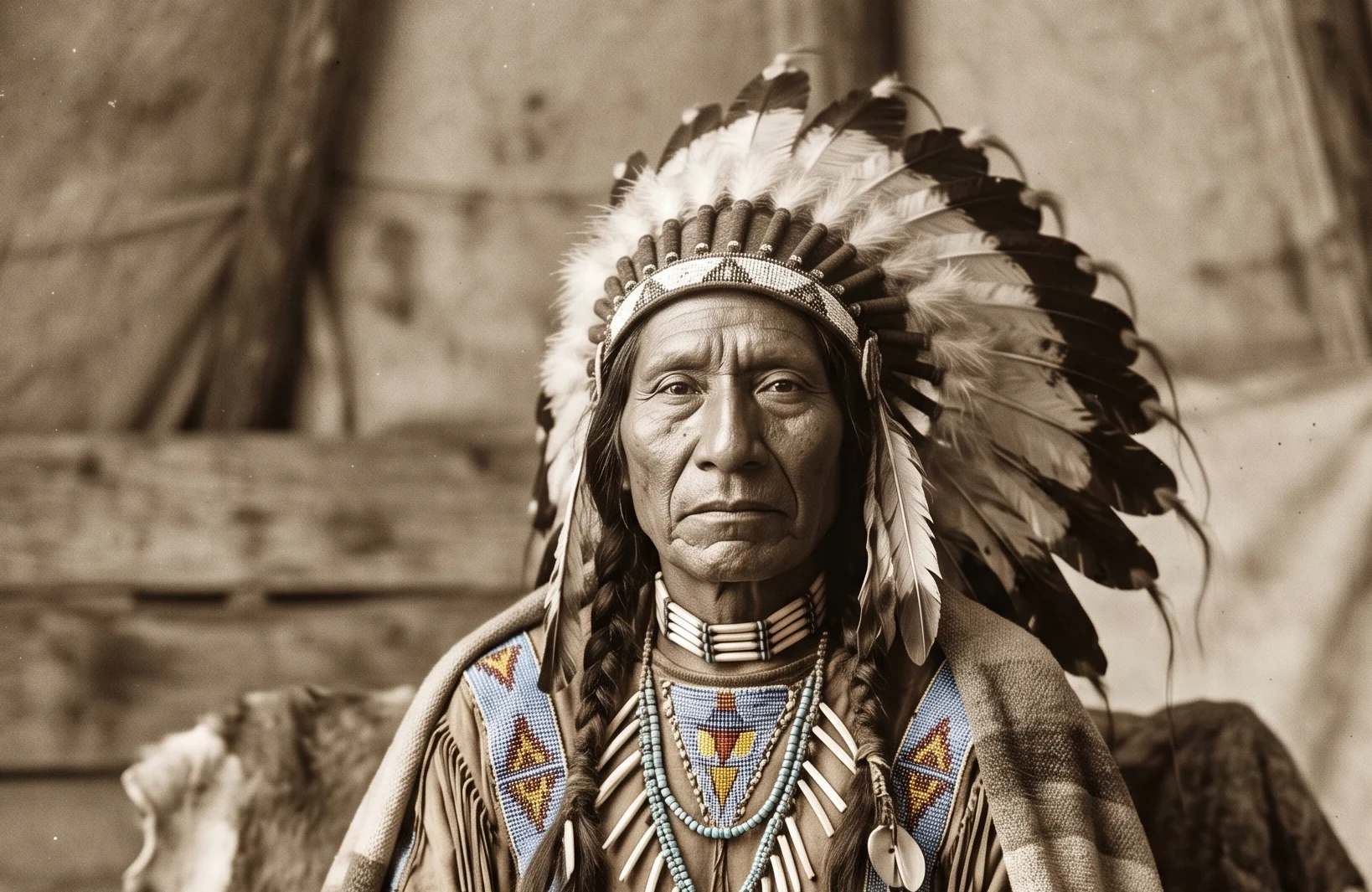
- Chief Red Cloud: Red Cloud was a master strategist and a leading voice for the Oglala Lakota during the late 1800s. He’s best known for Red Cloud’s War, a campaign that forced the U.S. Army to abandon its forts along the Bozeman Trail. Few other Native leaders secured a treaty so favorable at the time. While later frustrated by broken promises from Washington, Red Cloud spent his life as a spokesperson for his people, focusing on leadership and diplomacy when resistance could no longer work.
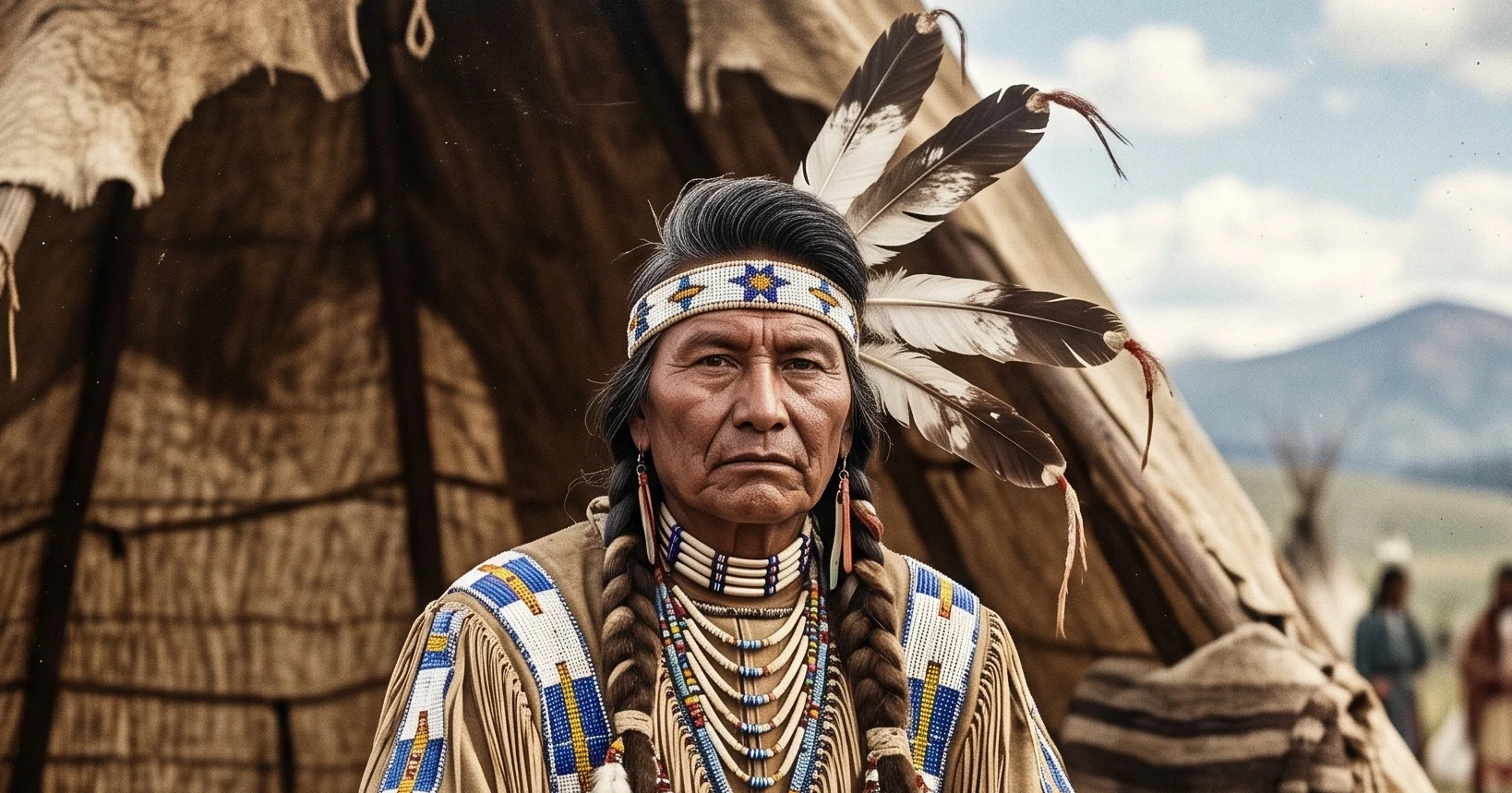
- Chief Joseph: The leader of the Nez Perce, Chief Joseph, is forever remembered for his emotional dedication to peace beside his strategic mind. After facing pressure to move off his homeland in Oregon, Chief Joseph led his people on a remarkable journey of more than 1,000 miles toward Canada in 1877. His surrender speech, “I will fight no more forever,” remains a moving call for dignity and humanity, echoing resilience and the desire for understanding.
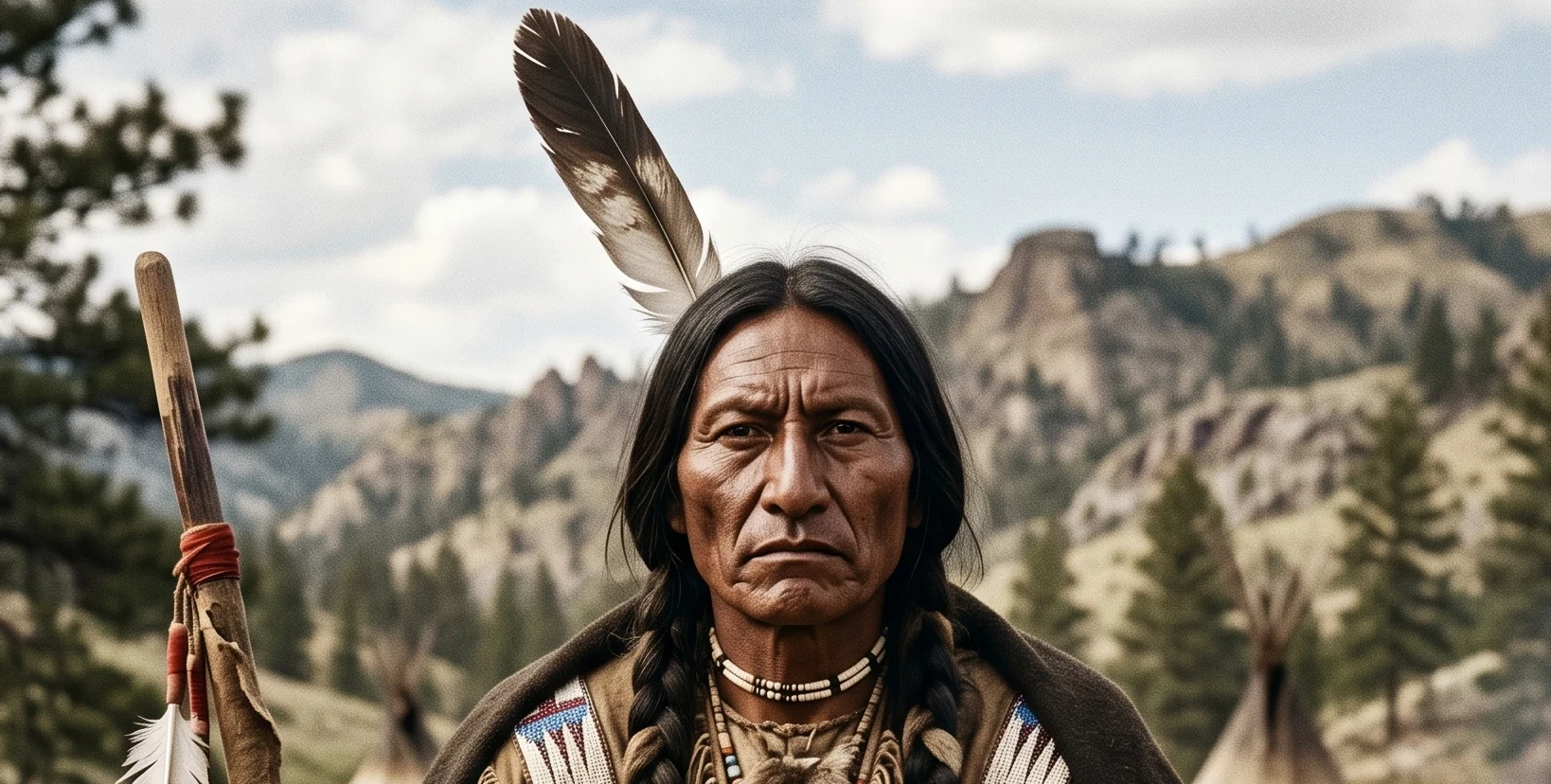
- Crazy Horse: Mention Crazy Horse, and you’re talking about someone many people think of as the ultimate American Indian warrior. He played a big part in the Battle of Little Bighorn and symbolized fearless resistance. What always grabs my attention: according to legend, Crazy Horse was never photographed, so nobody knows what he really looked like. All the pictures floating around online or in books are just guesses or fakes; no one made a visual record of him while he was alive. His life is shrouded in mystery, which only adds to his larger-than-life reputation.
But there are countless others—figures who guided their communities through difficult decisions, negotiated for cultural survival, or developed new paths for their next generations. Their stories might not make history books as often, but their actions live on wherever indigenous people cherish the stories of their ancestors.
Oral Tradition and Legendary Stories
American Indian legends don’t just focus on historical figures; they include creation stories, trickster tales, and epic adventures. What I find really cool is how these stories are handed down from generation to generation, with each storyteller adding their own flavor. Myths and legends help explain natural phenomena, teach lessons, or give hope through hard times. Oral tradition means every story is a living thing—not just a dusty record in a book.
- Trickster Figures: Many tribes have a trickster spirit. Coyote, Raven, or Nanabozho (in the Anishinaabe tradition) are some popular ones. These characters get into trouble, teach lessons through their pranks, or shape the world in unexpected ways. These stories are sometimes funny, sometimes a warning not to get too cocky. The trickster is a reminder that intelligence can be more valuable than brute force, and sometimes even the most powerful can slip up.
- Creation Myths: Every nation has its own version of how the world began. For the Lakota, it’s the story of Inyan the Rock and the first flood. The Cherokee believe in the Great Buzzard shaping land. I really admire the imagination and connection to the land and animals in these stories. Listening to or reading these tales, you get a sense for how closely daily life was tied to the natural world, and how every mountain, river, or animal was part of something sacred.
These myths and tales also serve as moral guides, offering insights into what behaviors are valued, what dangers to avoid, and the importance of family and the environment. Sometimes, communities even adapt these stories to address new challenges, blending them with modern themes or creating new legends for a changing world.
Challenges, Survival, and Resistance
Surviving colonization and centuries of broken promises took a toll on American Indian nations. Reading about the leaders above, I’m reminded how resistance came in many forms. Sometimes, that meant open battle. Other times, it meant careful negotiations or heartfelt speeches. These heroes and legends offered hope and unity. Sometimes, small victories, like delaying a treaty, rallying a village, or just keeping a language alive, are the most powerful parts of their stories.
- Adaptability: Many leaders changed tactics when they needed to. Where one era might call for war dance and weapons, another would focus on courtroom battles, speeches, or teaching kids the old ways. Their flexibility helped tribes survive through even the toughest times, teaching future leaders to adjust and learn from every setback or success.
- Cultural Survival: Holding on to language, ceremonies, and family ties is still a big deal. Many of these heroes are remembered not just for what they fought against, but for what they managed to save and preserve. Today’s powwows, traditional art, and languages owe a big thank-you to these efforts. When I read about new generations reviving ancient songs or young people learning native languages again, I know the legacy of resistance and resilience is still being written.
What Makes a Legend?
I love thinking about how someone becomes a legend. Sometimes it’s a wild story that just won’t die. Other times, it’s living by certain values and gaining respect from your community. These figures often have a blend of real-world action and cool or mysterious details, such as Crazy Horse’s refusal to be photographed or Geronimo’s ability to disappear in the desert. For many families, these stories are personal—tales shared around campfires that give comfort, inspire bravery, or explain how the world works.
A legend grows when stories travel—across families, languages, and generations. Many communities find strength in the simple act of remembering. Legends might evolve over time, but their core messages often stay the same: stand up for what matters, care for others, and hold onto what makes you unique. Even today, stories about new heroes show that the path to legend status is always open, shaped by the choices and challenges of each generation.
Everyday Heroes and Community Protectors
The famous leaders and trickster spirits get all the press, but I always try not to forget the everyday heroes too. Communities rely on strong grandmas, wise medicine people, and those who act with generosity or stand up for younger relatives. For many, the real legends are in every community, guiding people through storms both literal and emotional.
- Storytellers: The people sharing these tales keep traditions alive and make sure that knowledge, humor, and warning signs are passed on to the next generation. These storytellers are often the quiet pillars of their communities, passing on lessons through song, dance, and storytelling circles.
- Modern Activists: The heroism didn’t stop with the old stories. Figures in American Indian civil rights, language revitalization, and environmental protection keep pushing for a better future and honor those who came before them. Modern community heroes often lead by example in their neighborhoods, schools, and online spaces, using both traditional wisdom and new strategies to face present-day difficulties.
In urban areas and reservations alike, you can track down countless individuals working behind the scenes, making daily life a bit better for their neighbors. Whether it’s organizing cultural events, supporting education, or defending sacred lands, these protectors show that the spirit of heroism is everywhere.
Frequently Asked Questions
Who was Sitting Bull?
Sitting Bull led the Lakota in defending their lands and culture, especially during the Battle of Little Bighorn. He was a spiritual figure and a practical leader, respected both in his time and now.
What makes Crazy Horse unique?
Crazy Horse is remembered as a fearsome leader and brilliant tactician. What really makes him unique is that, by legend, he never let anyone take his picture, so we don’t actually know what he looked like. That mystery adds to his iconic status in history.
Was Geronimo only a fighter?
Geronimo is most famous for his resistance to colonization and constant escapes, but he was also a spiritual leader. After being forced to surrender, he even appeared at world’s fairs and spoke publicly, sharing his side of the story.
Are there still American Indian heroes today?
Absolutely! Community organizers, artists, advocates for language revival, and environmental protectors are carrying on the spirit of past legends with new challenges. Their stories might not be as widely known, but they’re just as important.
Remembering and Honoring American Indian Legacies
Learning about American Indian heroes and legends adds a different layer to history. These stories show creativity, resilience, and a strong sense of justice. Whether you’re amazed by epic battles, clever tricksters, or stories passed down in families, they all have something valuable to teach. I always find myself motivated to keep learning, and to share what I’ve heard so the stories never fade away. The next time you get a chance, listen closely to the voices in your community or check out a new story online; you just might stumble upon a hero you never expected, keeping these powerful traditions alive.