
Learning about the lives of prominent American Indian chiefs opens the door to a deeper understanding of history, leadership, and cultural heritage in North America. These leaders played key roles during times of massive change and struggle, guiding their people with determination. I find their stories inspiring and full of lessons, both for their communities and anyone interested in American history.

Introduction to Native American Chiefs
Native American chiefs were usually chosen for their leadership, wisdom, and bravery. Their responsibilities often covered everything from resolving conflicts to keeping the traditions of their people alive. While many led their tribes through tough negotiations with settlers and the US government, others became symbols of cultural resilience.
American Indian history stretches back thousands of years, but much of what gets attention in popular culture deals with the period of contact with Europeans and the years of westward expansion. Chiefs often rose to prominence in response to these massive changes and the threats they posed to their people’s way of life.
The title “chief” was sometimes used as a translation for various Native words meaning leader, headman, or respected elder. Different tribes had their own systems, so the role wasn’t identical everywhere. Still, the core idea of a person serving their community comes up again and again.
Profiles of Well-Known American Indian Chiefs
The personal stories of these chiefs cover a wide range of backgrounds, regions, and time periods. A few became nationally recognized, while others were renowned mainly within their communities. I’m highlighting a handful whose actions still echo today and who remain important to understanding the American experience from indigenous perspectives.
Sitting Bull (Tatanka Iyotake)
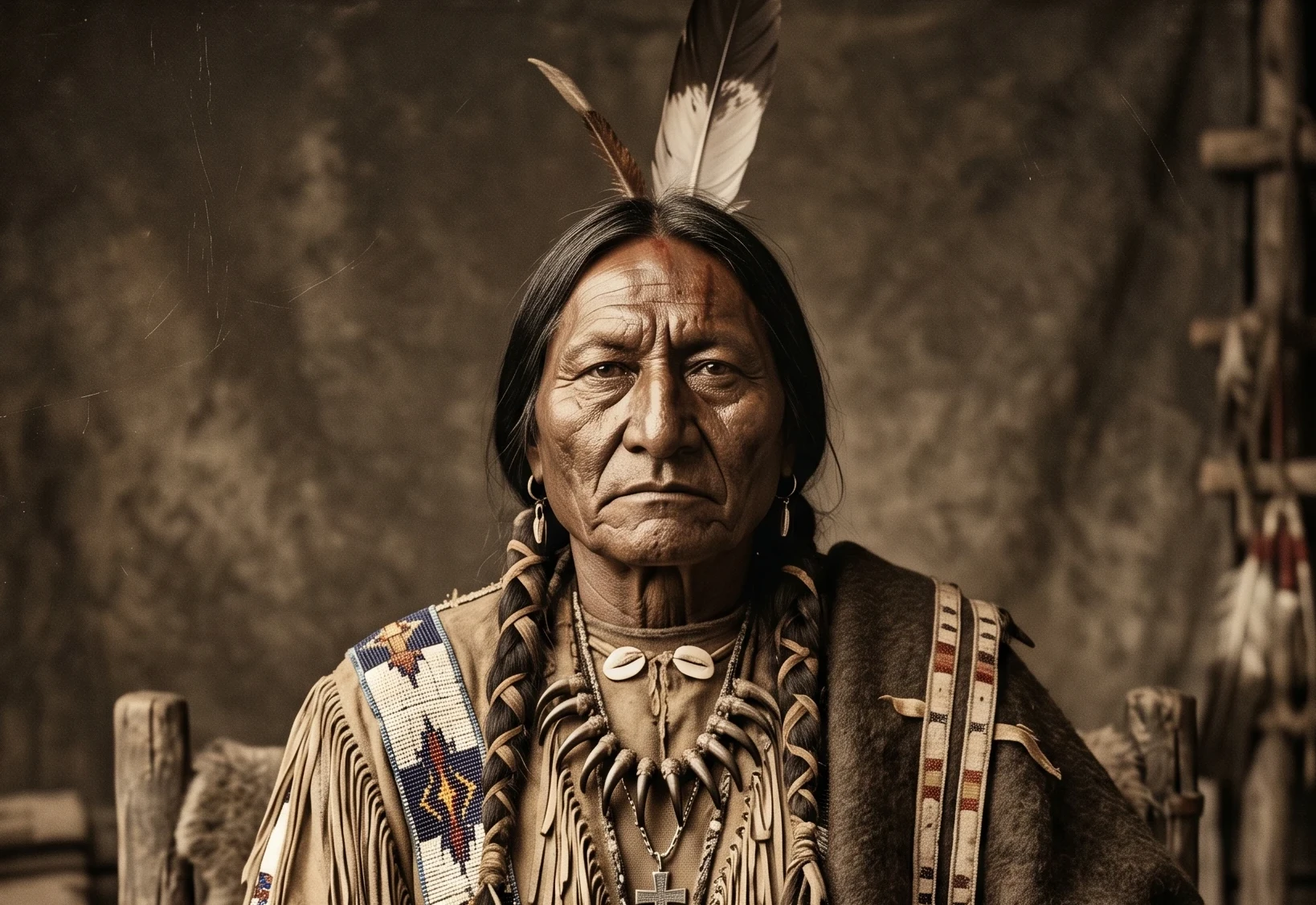
Sitting Bull was a Hunkpapa Lakota leader most famous for his role at the Battle of the Little Bighorn in 1876. He didn’t just fight; he also tried to unite tribes to push back against encroachment on their land. I’m always struck by his confidence in preserving his way of life, resisting harsh federal policies, and refusing to sign treaties that would force his people into reservations. He spent a few years in exile in Canada before returning to the US, where he eventually surrendered, and later, he was involved in the Ghost Dance movement. This involvement further heightened tensions with the authorities. His legacy remains a symbol of spiritual and political resistance, giving hope to his people even during dark times.
Geronimo (Goyahkla)
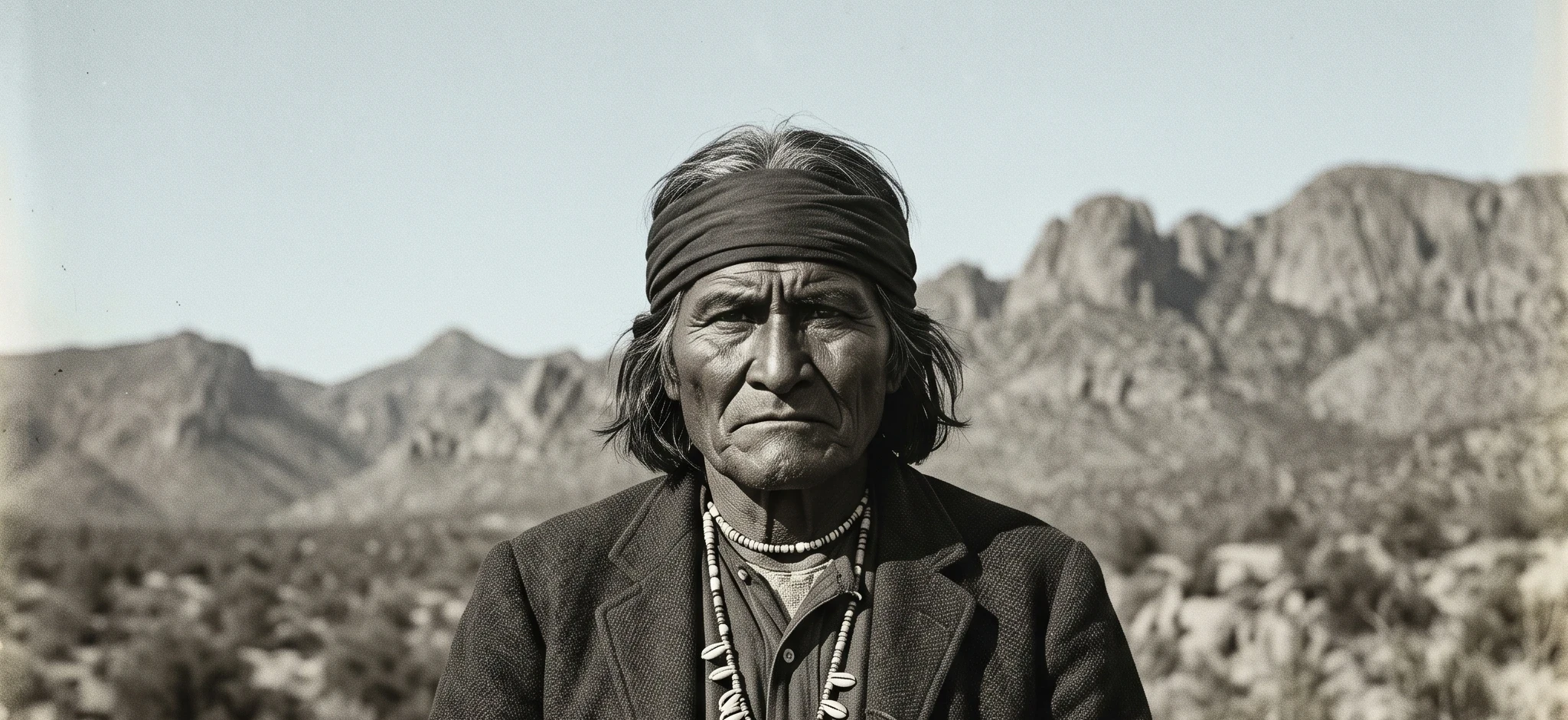
Geronimo led the Chiricahua Apache in a long conflict against Mexican and US forces in the late nineteenth century. Famous for his fierce raids and the Apache’s elusiveness, Geronimo was seen as both a freedom fighter and a symbol of defiance. After years of pursuit, he eventually surrendered in 1886. Even as a prisoner of war, he became a curiosity at fairs and exhibitions, but many Apaches viewed him as a crucial symbol of their struggle for survival and dignity. He regularly spoke about his hope for his people to be free again and never stopped reminding Americans of the losses his community had faced.
Chief Joseph (Hinmahtooyahlatkekt)
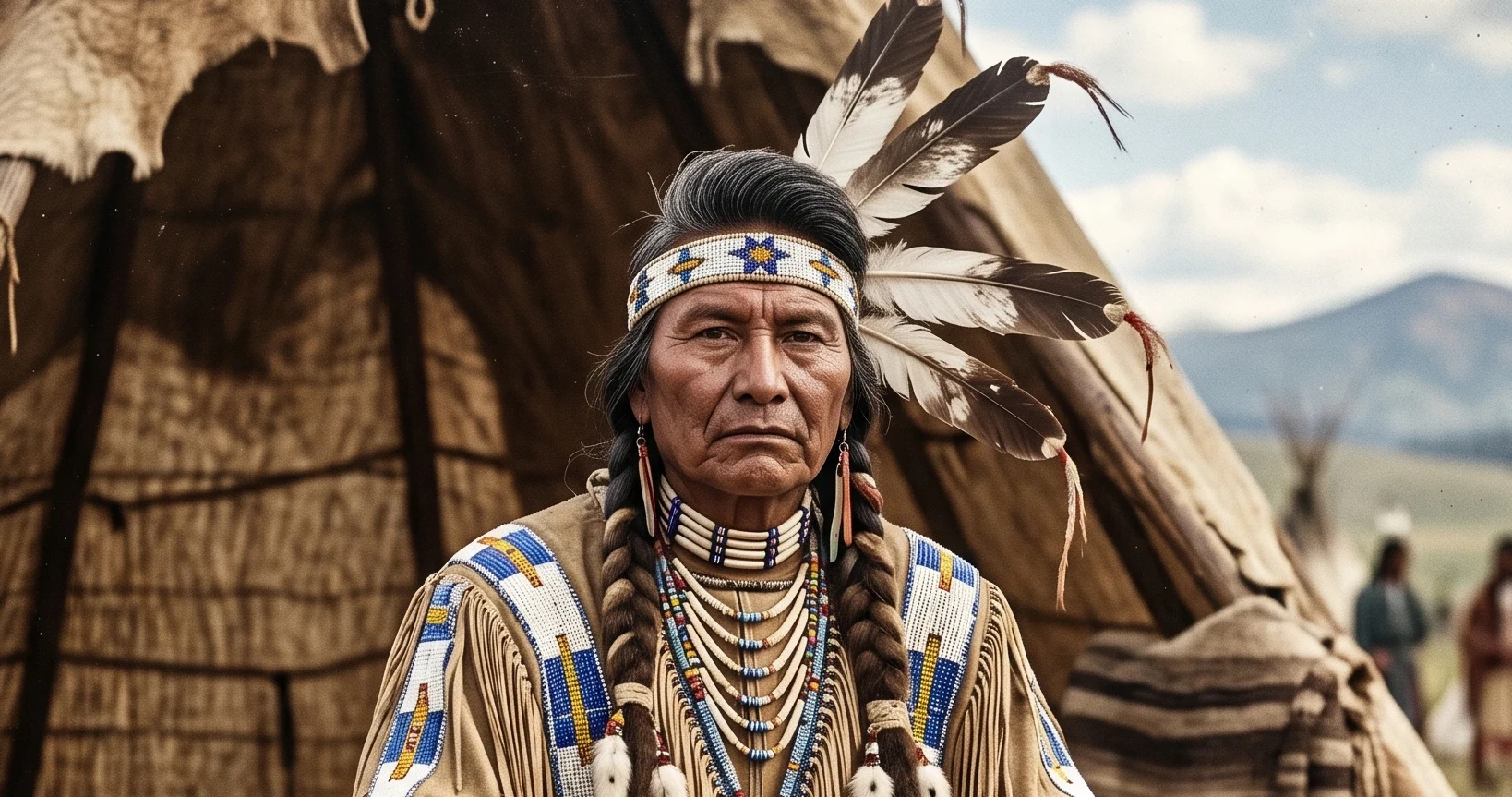
Chief Joseph of the Nez Perce became famous for his attempts to lead his people to safety during forced removals in 1877. Facing impossible odds, he guided over 700 people on a journey of more than 1,000 miles toward Canada, evading US Army units along the way. Ultimately, the group was stopped just 40 miles short of the border, and Chief Joseph was forced to surrender. His famous words, “I will fight no more forever,” are still quoted as a powerful statement of exhaustion and sorrow. Throughout imprisonment and broken promises, he kept trying to defend his people’s rights and dignity, showing that hope and resilience can live on even when faced with hardship.
Red Cloud (Mahpiya Luta)
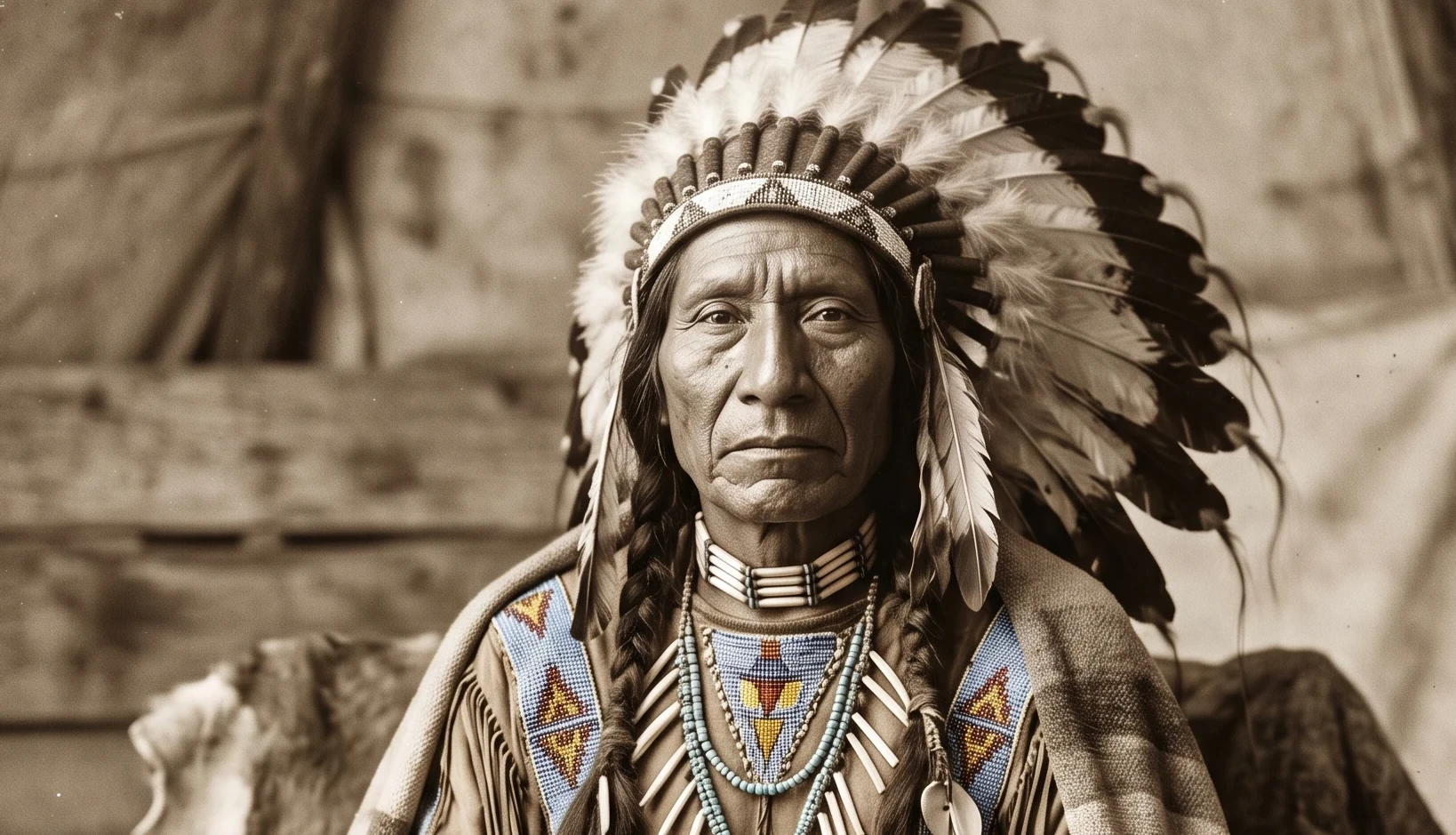
Red Cloud was an Oglala Lakota chief who played a major role in Red Cloud’s War, one of the few times Native Americans actually won a military campaign against the US Army. This success led to the US signing the Treaty of Fort Laramie in 1868. As the main leader in the Northern Plains, Red Cloud continued to negotiate, always trying to secure the best deal for his people even as circumstances grew more and more difficult. He was known for both his military skill and his efforts to balance resistance with practical diplomacy, often bridging the gap between tradition and survival in a changing world.
Other Influential Chiefs
- Crazy Horse: Another key leader of the Oglala Lakota, known for his fierce defense of native lands, especially at Little Bighorn. He famously rejected attempts at assimilation and never allowed his picture to be taken.
- Black Hawk: Led a group of Sauk and Fox people in a determined attempt to resettle ancestral lands in Illinois, resulting in the Black Hawk War of 1832. His efforts and subsequent defeat left a lasting legacy about the costs of resistance.
- Sacagawea: While not a chief, she played a leadership role as an interpreter and guide on the Lewis and Clark expedition, showing that leadership wasn’t only tied to formal titles. Her knowledge and bravery helped open doors for greater understanding between cultures.
- Osceola: A Seminole leader who fought against removal from Florida during the Second Seminole War, becoming a symbol of resistance in the face of overwhelming odds.
Key Responsibilities and Qualities of Native American Chiefs
The expectations for a chief varied from tribe to tribe. In many societies, a chief needed the approval of the community or council to make decisions, and lifelong leadership wasn’t always guaranteed. Respect had to be continually earned, and a leader constantly had to prove their worth through action, fairness, and a keen sense of timing.
- Conflict Resolution: Chiefs often stepped in to resolve disputes both within the tribe and between neighboring communities. They needed to keep the peace at home while also dealing with outside threats.
- Spiritual Guidance: Many chiefs had a spiritual role, acting as go-betweens with the spirit world or guardians of sacred traditions. Their wisdom was often sought in ceremonies and difficult decisions.
- War Leadership: During threats to their communities, chiefs became war leaders, organizing resistance while also trying to minimize harm to their people.
- Negotiation: As contact with settlers and the US government increased, chiefs took on complicated new jobs. These often involved holding difficult negotiations that sometimes meant trading land for survival, always trying to secure something for the future of their communities without giving up too much.
How Chiefs Were Selected
In some tribes, leadership ran in families, but in many cases, chiefs were chosen for their wisdom, service, oratorical skill, or achievements in war. Councils of elders or the collective decision making of the tribe mattered a lot, which made accountability a big part of the job. Even today, the methods of choosing leaders in Native nations are rooted in tradition, aiming to pick people who have earned trust and always put community first.
Challenges Faced by Native American Chiefs
The era when most well-known chiefs came to fame was full of hardship. They struggled to keep their communities together in the face of forced relocations, broken treaties, warfare, and new diseases brought by settlers. Land loss and cultural disruption made every decision tough. Chiefs sometimes faced criticism from their own people for really hard compromises, especially when old ways and new challenges collided.
- Broken Agreements: US treaties with Native nations were often ignored or rewritten, making it tough to trust promises and plan for the future. It was a constant battle to protect any bit of autonomy they had left.
- Assimilation Pressure: Many chiefs were pressured to make their people adopt “white” ways of life. This included forced schooling for their children and giving up traditional dress or religion. Resisting these pushes—or balancing them for survival—was a neverending test of leadership.
- Internal Divisions: Disagreement within tribes was common; some favored resistance while others thought cooperation offered the best chance of survival. Chiefs had to balance these differing opinions with whatever external threats were coming their way. Choosing a path was rarely simple, and compromise sometimes led to further tension within communities.
What You Can Learn from the Stories of Native American Chiefs
I find that looking closely at the lives of these chiefs is pretty eye-opening. Their experiences show the importance of standing up for your beliefs, adapting to change, and always keeping your community’s well-being in mind. Not only do their experiences shed light on American history—they offer lessons anyone can apply in everyday life.
- Perseverance: Despite overwhelming odds and setbacks, these leaders kept working to protect their people and traditions. Their ability to keep going even when everything was stacked against them can inspire anyone facing tough challenges.
- Courage and Adaptability: Whether dealing with military confrontation, tough negotiations, or cultural transformation, chiefs regularly had to change strategies while holding on to core values. Flexibility and the willingness to change plans kept many communities alive in unpredictable times.
- Community First: Chiefs rarely acted for themselves alone. Decisions were made for the long-term benefit of their people, showing a real commitment to service. This dedication is a reminder that strong leadership always puts the greater good ahead of personal gain.
Frequently Asked Questions
What’s the difference between a chief and a war leader?
The chief was a more general leader; sometimes, specific war leaders would be chosen separately for conflicts. These roles could overlap, but they didn’t always mean the same thing. War leaders focused on strategy and combat, while chiefs dealt with broader responsibilities.
Did women serve as chiefs?
While most famous chiefs were men, women sometimes served as heads of clans, spiritual leaders, or advisors, especially in matrilineal societies. There were prominent women leaders, just not always with the formal title of “chief.” Women’s voices have always mattered in tribal decision making, often shaping the path for generations to come.
How are chiefs chosen today?
Many tribes now use tribal councils or elections to pick their leaders, though respect for those who show traditional wisdom or service is still really important. Leadership is both an honor and a responsibility, blending old values with new systems.
The Ongoing Legacy of Native American Chiefs
Today, the influence of these historic chiefs shows up in the way many Native American organizations are run, and in ongoing fights for sovereignty, treaty rights, and cultural preservation. Monuments, museums, and educational programs make sure new generations know their stories. Learning about these individuals helps build bridges to a richer, more accurate view of American history. Their efforts help provide a view that respects the challenges and achievements of the continent’s first nations and keeps the flame of tradition burning bright.
Exploring the stories of prominent American Indian chiefs is a great way to understand America’s past from a different angle. These leaders had their own unique ways of facing adversity, and their words and actions still matter. Their examples encourage anyone to lead with empathy, stand up for what’s fair, and value community above all. Next time you think about American history, take a moment to imagine it from these leaders’ points of view—you might stumble upon something eye-opening.