
Storytelling holds a really important spot in tribal traditions around the world. These aren’t just simple tales told around a fire; they are the heartbeat of a community’s history, teaching, and identity. I’ve always been fascinated by how stories passed down from elders manage to guide, educate, and unite entire families and clans. Today, I want to walk you through why storytelling matters so much in tribal societies and what makes it such a powerful tool for keeping these cultures alive and thriving.
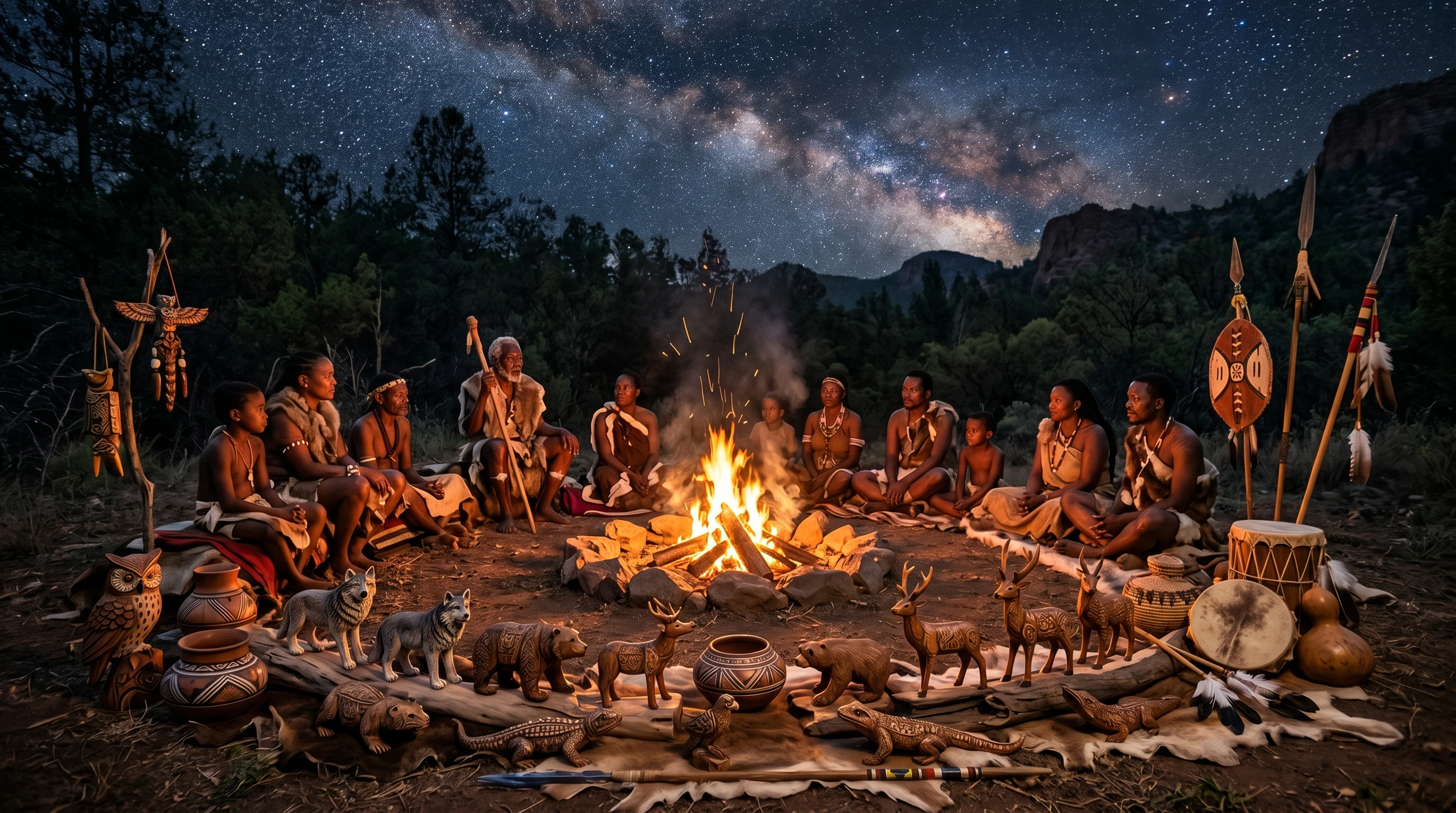
The Foundation of Tribal Storytelling
Oral storytelling in tribal traditions goes way beyond just entertainment. I see it as a living archive—a community’s memory bank. Instead of writing things down, stories are passed down verbally, usually from elders to children. In many cases, elders are considered the keepers of wisdom and trusted with the responsibility to keep traditions going. Regular storytelling sessions help the young and old connect, building a real sense of belonging and mutual respect.
Tribal stories often cover a ton of ground: creation legends, explanations for natural events, lessons on how to behave, and memories of heroes or ancestors. For example, many Native American tribes have stories explaining the origins of certain landmarks or animals. Each time these tales are retold, they’re shaped by the teller’s unique experiences, but still rooted in the cultural values shared by the group. These storytelling sessions are often much more than just entertainment—they are powerful learning experiences that pass on rituals, etiquette, and practical knowledge while helping to build up skills in listening and retelling.
Keeping Culture and History Alive
Without written records, tribal groups rely on stories to keep their history straight. I’ve seen that these oral traditions work like invisible threads tying one generation to the next. Through storytelling, people recall ancestors and remember old battles, migrations, or important agreements. It’s a really effective way to make sure cultural details don’t just disappear over time, and serves as an essential way to give younger generations context and pride in their shared heritage.
Some stories are considered so important that they’re only shared during certain ceremonies, or with special permission. In Australia, for instance, Aboriginal songlines are stories that double as maps, helping people get through the land using music and story. By teaching these, elders make sure that knowledge survives even if the world around them changes. Similarly, many Pacific Island societies use oral storytelling to guide navigation between islands, not only connecting people geographically but also weaving together community relationships and local wisdom.
Teaching Morals and Life Lessons
I’ve noticed that storytelling in tribal communities usually carries a strong moral message. The stories help listeners learn the difference between right and wrong without needing a textbook or a strict lecture. Characters often face big choices, and their actions show how kindness, bravery, or honesty matter in real life.
For example, in the Maasai culture, elders often tell stories where animals represent human traits—like cleverness or greed. Kids listening to these stories start to understand the values their community wants to encourage, and later, as adults, they use those same stories to teach the next generation. This chain keeps popular community values strong across time. In many tribes, these stories act as gentle reminders to respect nature, help one another, and take pride in their unique identity.
Cementing Identity and Connectedness
Stories don’t just preserve the past; they give listeners a sense of who they are and where they fit in. Every time I hear someone share their tribe’s stories, it feels like they’re declaring, “I belong here.” The stories create a shared identity that keeps people close-knit, even if they end up living far from their original homeland.
This sense of belonging gets reinforced during group storytelling, which is often wrapped up in rituals, music, or dance. These shared experiences build trust and remind everyone of the community’s values and collective memories. It’s something I think every group of people could benefit from, no matter where they live. The emotional impact of stories brings people together, and strengthens bonds among family, friends, and neighbors. Many ceremonies, like weddings or rites of passage, rely on stories to explain their significance and to add special meaning to those important life moments.
Key Elements of Tribal Storytelling
Some features consistently show up in tribal storytelling across different continents. Here are a few elements I keep noticing:
- Repetition: Key phrases or motifs are repeated to help listeners remember important lessons.
- Animal Characters: Animals are often stand-ins for types of people or specific human traits.
- Call and Response: Storytellers sometimes ask listeners to participate, keeping everyone involved and making the session lively.
- Integration with Art and Music: Drum beats, chants, or dances often go along with the stories, especially during ceremonies. Sometimes, storytellers use carved masks, intricate beadwork, or painted symbols to add visual flair.
These patterns not only make the storytelling more memorable but also spark creativity. Over time, stories might change a bit, as tellers add their own style or respond to new circumstances, but key lessons and beloved characters usually stick around. This flexibility is essential, letting traditions adjust as life changes while keeping the heart of each story intact.
Adapting to a Changing World
Even as lifestyles change, tribal storytelling is finding new ways to survive. In some communities, stories are now shared in classrooms, at cultural centers, or even online. Documentaries and books sometimes collect oral histories so younger people can learn their traditions even if they’ve grown up far from home.
I’ve seen Indigenous filmmakers, writers, and artists work hard to keep their culture’s stories relevant in today’s world. They might remix the old stories or adapt them to new issues, like climate change or land rights. This blend of old and new helps tribal storytelling continue to feel fresh while staying true to its roots. There are also language preservation programs, phone apps, and social media pages helping to spread or celebrate traditional stories in fun, modern ways. Teachers and community organizers are making it easy for youth to access this treasure trove of wisdom, ensuring that these age-old tales don’t fade away but instead inspire new generations.
Common Challenges
Tribal storytelling faces a few bumps in the road these days. Language loss is a big one; when people stop speaking their original languages, a ton of knowledge carried in stories gets lost. Urbanization is another challenge, with younger generations moving away from their communities and having less time for traditional storytelling gatherings.
There are also political or social pressures that might discourage open sharing of traditional stories, especially if people have faced discrimination. Still, many Indigenous groups are working to revive language learning and protect their stories. It’s worth checking out efforts where elders teach language classes or use recordings to keep oral histories safe for the future. Community festivals, storytelling workshops, and partnerships with schools help get young people involved and keep the oral tradition going strong, even in modern times. Concerted efforts to support storytellers and tribal elders make a real difference, allowing old wisdom to shine through challenges and adapt to new realities.
Handy Tips for Protecting Tribal Storytelling
If you’re interested in helping protect tribal stories—or you’re part of a community with its own unique traditions—a few steps can be really useful:
- Record Stories: Audio or video recordings make it easier to pass stories to the next generation and keep stories true to their original form.
- Learn the Language: Many stories lose their power in translation, so learning key words or phrases can make a big difference.
- Encourage Elders: Create spaces where elders can share stories, especially during community events or family gatherings, so wisdom is passed down naturally.
- Use Modern Tech: Blogs, podcasts, and social media accounts can put traditional stories in the spotlight, making them easier to share with a wider audience and get more people excited about their significance.
- Teach Children Early: Kids who grow up hearing stories tend to see their culture as something vibrant and valuable; making storytelling part of daily life steadies identity and brings generations together.
These steps might sound simple, but I’ve seen them breathe new life into cultural traditions that were in danger of fading away. Sharing stories is one of the easiest, and most enjoyable, ways to help keep a community’s roots strong.
Frequently Asked Questions
People often have questions about how storytelling works in tribal settings. Here are a few I get asked a lot:
Question: Why do so many tribal stories use animals as main characters?
Answer: Animals often reflect common human traits. By having a clever rabbit or a wise turtle as the hero, lessons about honesty, bravery, or curiosity feel easy to relate to, especially for young kids.
Question: What makes oral storytelling different from just reading a printed tale?
Answer: Oral storytelling can be really interactive. Listeners might join in on chants, answer questions, or even help shape how the story unfolds. That kind of back-and-forth just can’t happen with a book. The energy of a live teller brings stories alive, making each telling a one-of-a-kind event.
Question: How do tribal stories survive if no one writes them down?
Answer: Repetition is key. Stories are told over and over, generation after generation. Elders often train younger family members to memorize stories word for word, sometimes blending them with music or dance to make them easier to remember. Community workshops and festivals also help keep stories alive by giving storytellers an enthusiastic audience.
Real-World Impact of Tribal Storytelling
Tribal storytelling isn’t just about looking backward; it’s deeply woven into how people live today. Ceremonies, holidays, and even legal agreements can be based on stories passed down over centuries. I’ve noticed that when communities revisit their stories, they often feel re-energized about their culture, giving them the confidence to stand up for their rights and traditions.
Outside of their original communities, tribal stories have inspired books, films, and visual art. By sharing these stories more widely, tribal groups introduce their worldviews to people everywhere, sparking curiosity and respect for ways of life different from our own. These shared tales add a rich layer to global culture, teaching everyone about resilience, creativity, and wisdom passed down and polished over time. Storytelling, whether in traditional gatherings or fresh new settings, builds pride and strengthens the bonds that hold communities together.
Storytelling remains a core part of tribal traditions, helping keep cultures vibrant and united in a world that’s always switching up. Whether you’re part of a tribal community or just someone curious about the world, spending time with these stories is pretty rewarding. They teach, connect, and inspire, and that’s something we can all learn from.