
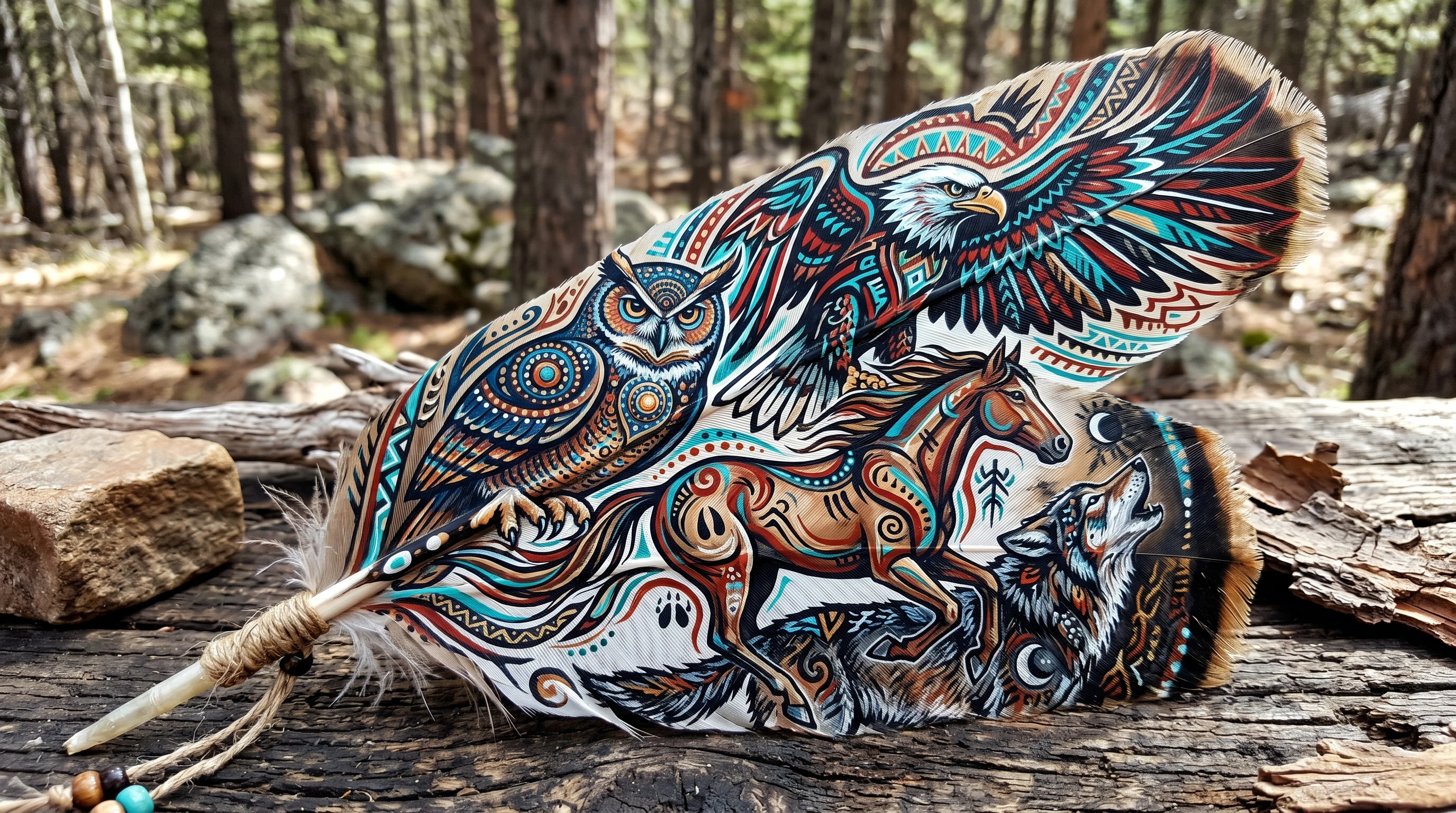
Spirits and deities fill tribal belief systems around the world with life, mystery, and tradition. I find these beliefs not only fascinating, but also super important for understanding how community, nature, and the unseen weave together. If you’re just starting to explore this topic, you’re in for a pretty eye-opening adventure. Let me show you the foundational ideas, the major animal figures (like the owl, eagle, wolf, and horse in American Indian beliefs), and the ways tribal people connect with spirits and deities to shape daily life.
Understanding Spirit Worlds in Tribal Cultures
I’ve noticed that nearly all tribal belief systems recognize worlds beyond what we see and touch. There’s a sense that everything, including rivers, trees, animals, rocks, and people, can have a spirit. This concept is called animism, and it’s key for tons of traditional societies. In many tribal stories, the living and spirit worlds aren’t far apart. Ancestors, powerful animals, or even tricksters move between these realms, offering guidance, challenge, or protection.
These ideas shape everyday actions, big ceremonies, and even how people relate to their land. Among Native Americans, Aboriginal Australians, African tribal groups, and many Indigenous peoples worldwide, respect for the invisible or spiritual is deeply woven into daily life. The belief that everything has a spirit not only influences rituals but also how people nurture relationships within their communities and with the land. It’s a way of life as much as a belief.
Spirits, Deities, and Ancestors: Who’s Who?
Tribal belief systems don’t just have “gods” in the way some major religions do. Instead, you’ll find a spectrum that might include:
- Nature spirits: Powers that live within rivers, rocks, forests, or weather. Some can be helpful, while others need appeasing.
- Deities: Powerful beings that guide, protect, or even test people. These figures can shape the fate of both individuals and whole tribes.
- Ancestors: The spirits of family lines. Many tribes believe ancestors continue to influence and protect the living.
- Animal spirits: Especially important for guidance or for teaching lessons through stories and visions.
These beings are not just the subjects of old stories. People interact with them at ceremonies, through dreams, and even in the day-to-day. For instance, by offering thanks when harvesting food or hunting, individuals acknowledge the spirit or deity believed to preside over such acts. It is not uncommon for tribal members to wear symbols believed to attract protection or favor from these beings, reinforcing their importance in everyday life.
Key Animal Spirits in American Indian Beliefs
If you’re curious about how animals show up in tribal spirituality, the American Indian traditions provide some of the clearest examples. Four animals really stand out: the owl, the eagle, the wolf, and the horse. Each of these animals is much more than just a creature; it’s a messenger, guardian, or teacher in the spiritual world.
- The Owl: Often seen as a symbol of wisdom but also mystery and the unknown. In some tribes, owls warn of danger or mark changes to come. In others, the owl is seen as connected to the spirit world and transitions between life and death.
- The Eagle: Known for courage, power, and a direct connection to the divine. Eagles fly so high they are believed to carry prayers straight to the Creator. Eagle feathers are honored in many sacred ceremonies.
- The Wolf: Symbolizes loyalty, family, and instinct. Wolves appear as spirit guides, showing the power of working together, communicating, and surviving hardship. Some stories talk about the wolf teaching tribal members how to hunt or lead.
- The Horse: Represents strength, freedom, and the ability to move between physical and spiritual realms. Horses weren’t always present in Native America, but after their arrival, they became major spiritual figures. Horses are often connected to adventures—spiritual and physical.
Stories about these animals aren’t just for children. They teach about respect, courage, balance, and the right way to live in community and with nature. These stories are passed from one generation to the next, preserving cultural wisdom and providing a built-in code of ethics rooted in the more-than-human world. Even today, ceremonies honoring these animals help bring people together, strengthening communal bonds and personal identities.
First Steps in Connecting With Spirits and Deities
Tribal spiritual practice often starts right where people live—at home, in the forest, or by the river. Connecting with spirits or deities can mean different things for different people, but common tools include:
- Rituals: Simple daily offerings or big seasonal ceremonies help keep in touch with the spirit world.
- Storytelling: Passing on knowledge and values, and keeping everyone connected to the wisdom of ancestors and the lessons of the spirits.
- Dreams and visions: Dreams are sometimes seen as direct messages. Special people (like shamans or elders) help interpret these signs and guide the group.
- Symbols and art: Carvings, beadwork, and paintings often carry spiritual meaning, representing animal guides, ancestors, or deities.
In many cultures, special plants, stones, or actions are believed to help people tune in to the spirit world. It’s really about respect and being open to listening, both with your ears and your heart. Participating in communal songs or dances, painting one’s face for ceremony, or preparing traditional foods are other, meaningful ways to foster a closer spiritual connection.
Challenges in Keeping Traditions Alive
Respecting and connecting with spirits isn’t always smooth sailing. Many tribes face challenges like:
- Loss of language: Much of the knowledge is tied up in the way stories are told.
- Outside influences: Colonization, modern religion, and technology bring change and sometimes challenge traditional ways.
- Disconnection from land: Spirits are often tied to mountains, rivers, or specific places. If people get moved away, these connections get disrupted.
- Stereotypes: Outsiders sometimes misunderstand traditions, seeing them as “superstitious” or outdated, which can push younger people away from exploring their heritage.
Many Indigenous communities work hard to keep rituals, language, and stories alive, both for themselves and to help others understand just how deep and wise tribal knowledge can be. Some communities initiate youth programs focused on heritage crafts or plant knowledge, and elders are frequently invited to local schools to share important teachings. By hosting public festivals, creating documentaries, and collaborating on cultural projects, these communities try to ensure their spiritual practices aren’t lost to time.
Revival and Sharing of Beliefs
Some tribes set up language schools, record elders’ stories, or invite outsiders to witness and learn respectfully. This creates a positive ripple, helping old teachings stay alive for new generations and clearing up misunderstandings. There are also growing networks among Indigenous peoples globally, allowing them to exchange strategies and success stories. Museums, books, and online platforms now share these beliefs with a wider audience, building appreciation and respect. This exposure helps break down prejudice and fosters cultural pride among younger generations.
Everyday Life and Tribal Spirituality
What I really love about tribal spirituality is how it fills daily life with meaning. Preparing food, hunting, building, and even raising kids all carry a layer of spiritual connection. For example, giving thanks before a meal or seeking guidance from animal spirits before an important decision are everyday practices.
- Respect for Nature: Belief that nature is alive encourages careful use of the land and resources.
- Community Focus: Spiritual acts rarely happen alone. Group singing, dancing, and offerings build tight community bonds.
- Cycles and Balance: Ceremonies recognize seasons, life transitions, and community milestones, making life feel synced up with the bigger rhythms of the world.
These daily connections give a sense of grounding. For many people, spirit traditions are a way to walk through challenges with courage and gratitude. Even during hard times, rituals and communal practices help people process experiences and find hope, reinforcing the values of sharing and caring for one another.
Frequently Asked Questions About Tribal Spirituality
What are spirit animals, and how do people choose them?
Spirit animals, sometimes called totem animals, feel like guides or protectors in many tribal cultures. Often, an individual will dream about a certain animal, or elders notice a strong connection between someone and an animal during an important moment. These aren’t chosen at random. They’re experienced or revealed, often through guided ceremony, dreams, or visions. When such animals appear repeatedly or show up during rituals, they’re recognized as significant and woven into personal and community identity.
Can outsiders respectfully learn about tribal belief systems?
Absolutely, but respect is really important. Asking, listening, and learning from tribal members, rather than making assumptions, goes a long way. Some traditions are private, but many tribes welcome honest interest and want people to understand their beliefs better. If you’re invited to a ceremony or event, observe quietly, ask thoughtful questions, and follow the lead of your hosts. Reading books written by tribal authors is another way to get a deeper view.
How do modern tribal members balance old beliefs with modern life?
This balance is something I see changing all the time. Some keep traditions beside new habits, while others create new ways of expressing old truths. Community, storytelling, and connection with nature remain at the heart for many families. While some traditions are maintained through formal gatherings, others are adapted into modern settings—like teaching children about spirits and respect for ancestors through digital media or participating in urban powwows. There’s an ongoing effort to make sure that spiritual traditions survive, even as the outside world changes quickly.
Final Thoughts on Spirits and Deities in Tribal Belief Systems
Exploring tribal spirituality opens up a rich world of meaning, respect for all life, and awareness of connections that run deeper than what we see. Whether it’s the wisdom of the owl, the strength of the eagle, the loyalty of the wolf, or the freedom of the horse, each spirit and deity adds a special piece to the puzzle of tribal identity. I encourage anyone interested to keep learning, stay curious, and approach these traditions with the open spirit they deserve.
There’s a lot more to track down and appreciate in these rich traditions. Every step towards understanding brings you closer to the heart of what makes tribal communities unique and powerful, and there is always something new to learn from these beautiful spiritual paths.