
American Indian tribes have a long history of skilled warriors and clever military leaders whose stories carry a lot of meaning and inspiration. When you check out the lives of these figures, it’s easy to see how their leadership, bravery, and tactics shaped the history and future of their tribes and neighboring nations. I’ve always found it pretty important to highlight how these leaders weren’t just warriors. They also played big roles as protectors, diplomats, and community figures. Here’s an all-in-one look at some of the bravest and most influential Native American warriors and military leaders, and why learning about them can offer a deeper understanding of American history.
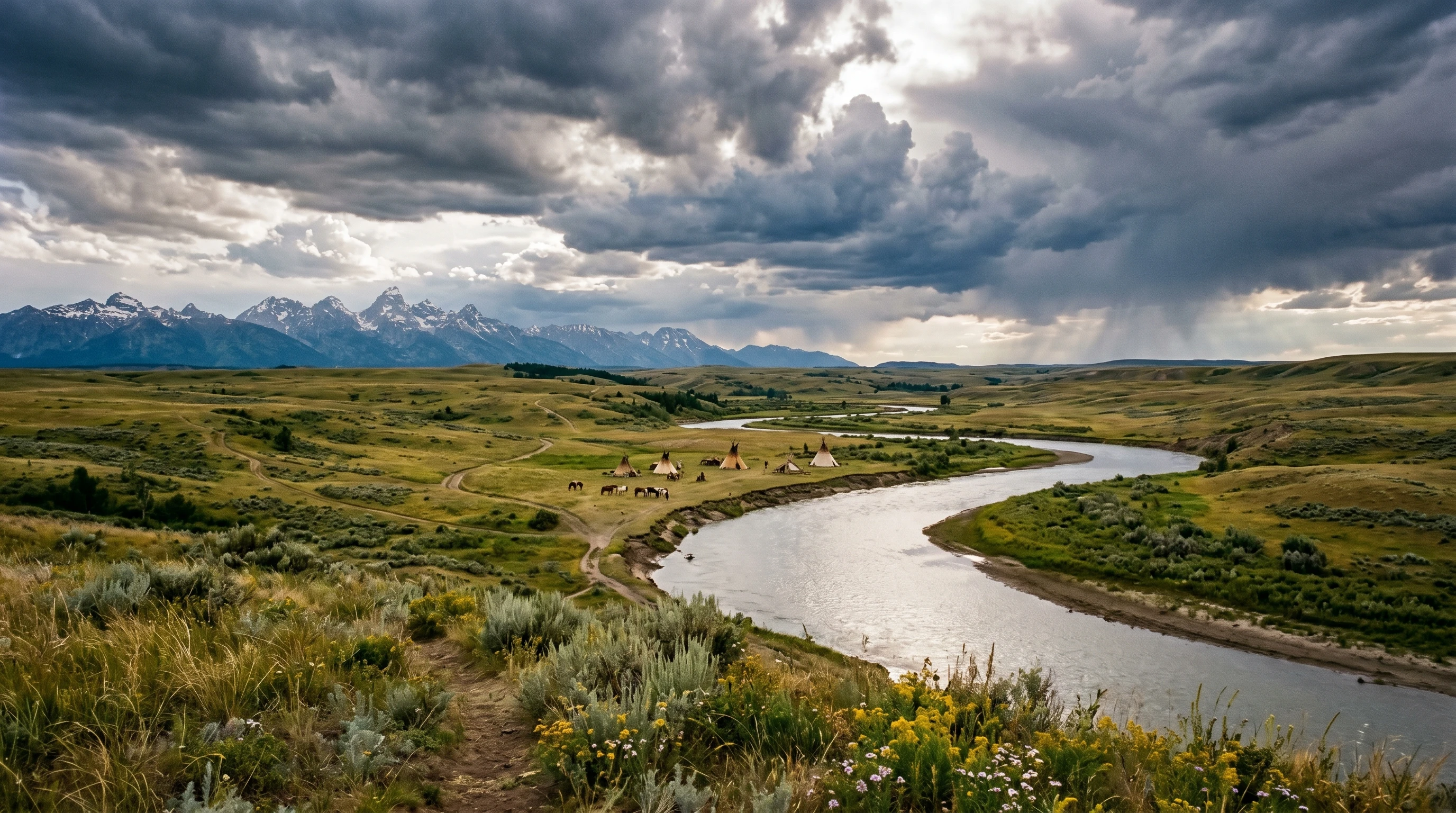
Historical Significance of American Indian Warriors
For many tribes, warriors were much more than just fighters. They served as community protectors, defenders of their people’s way of life, and often took on positions as spiritual guides. Warfare wasn’t always about conquest. It was often about survival, defending territory, and upholding tribal values. Tactics, weapons, and leadership styles varied a lot from tribe to tribe and adapted over centuries to new threats and situations.
When European settlers and later the United States expanded into indigenous lands, these warriors and leaders found themselves facing huge changes. Their adaptability, sometimes embracing diplomacy or adopting new military tools, showed just how dynamic Native societies were. It’s really valuable to learn about these stories because they add important context to North American history beyond just the battles. In fact, the entire landscape of the continent was affected by the choices and actions of these warriors and leaders, which shaped both resistance and accommodation to overwhelming challenges. Their guidance influenced not only warfare but also how tribes adjusted to evolving technology and social changes. In the background was a deep respect for maintaining traditions even as adaptation became necessary.
Notable Warriors and Military Leaders
Every region in North America saw the rise of powerful indigenous leaders. Here are a few whose names have been passed down for their remarkable contributions:
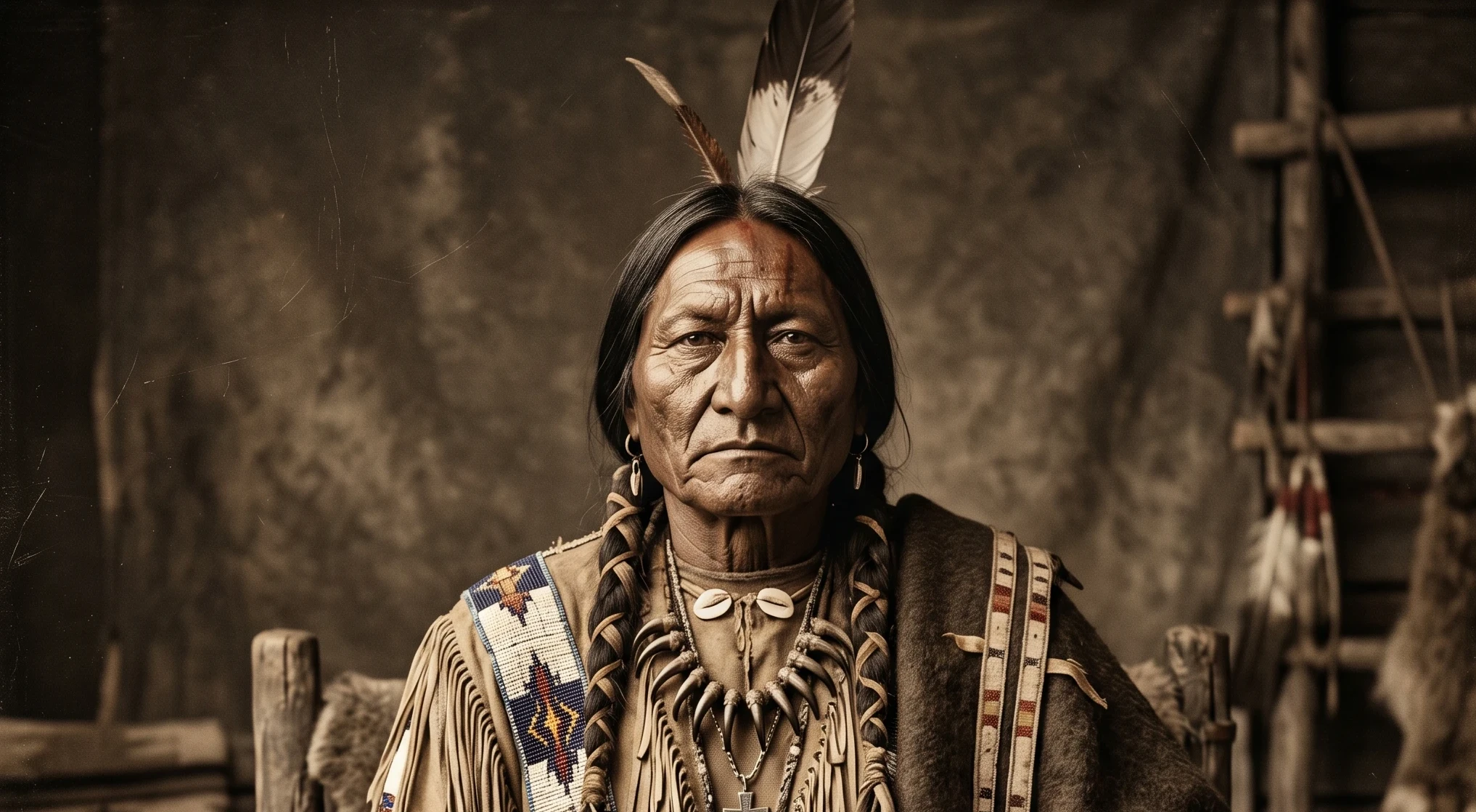
- Sitting Bull (Hunkpapa Lakota): Best known for leading the Lakota in resistance against the U.S. government, Sitting Bull guided his people through years of conflict. He played a key role in the Battle of the Little Bighorn, supporting communal unity and a collective defense.
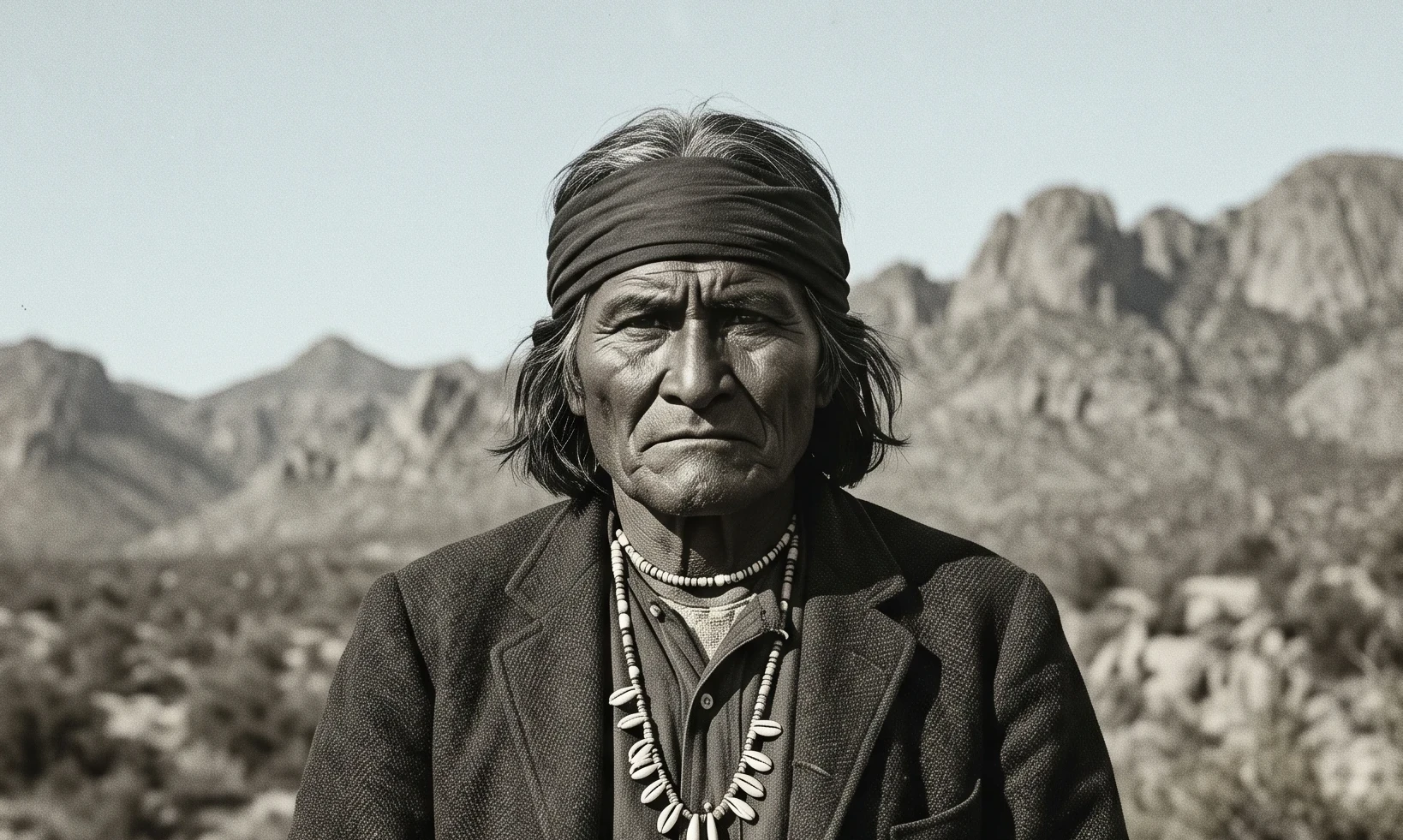
- Geronimo (Chiricahua Apache): Famous for his tenacity, Geronimo led a small band of followers in defending their homeland against both the Mexican and U.S. armies. His strategies included swift raids and retreats, which gave larger military forces a tough time.
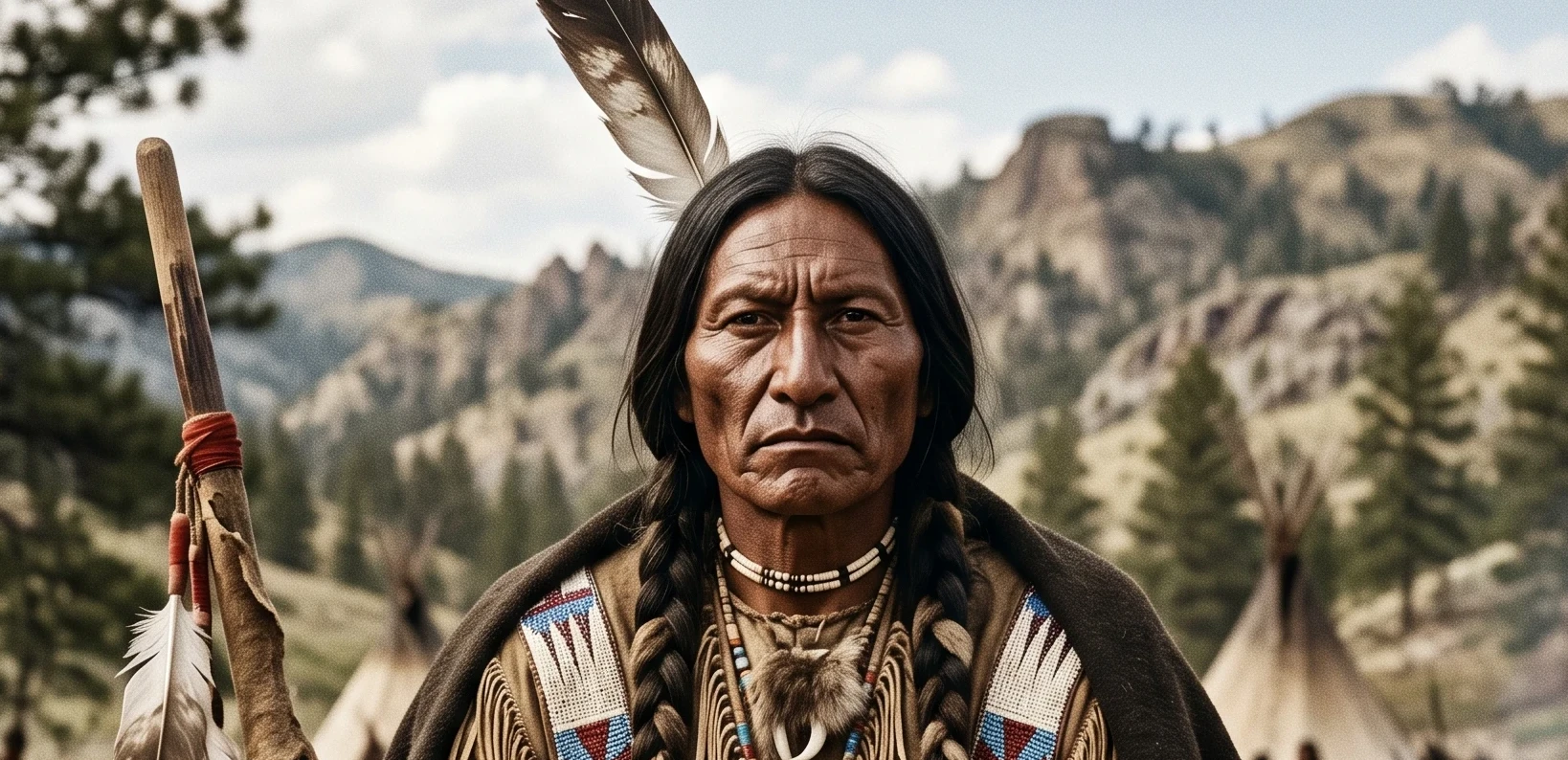
- Crazy Horse (Oglala Lakota): Revered for both his courage and tactics, Crazy Horse was a main force during the Lakota Wars, especially at the Battle of the Little Bighorn. He fought hard to preserve his people’s land and lifestyle.
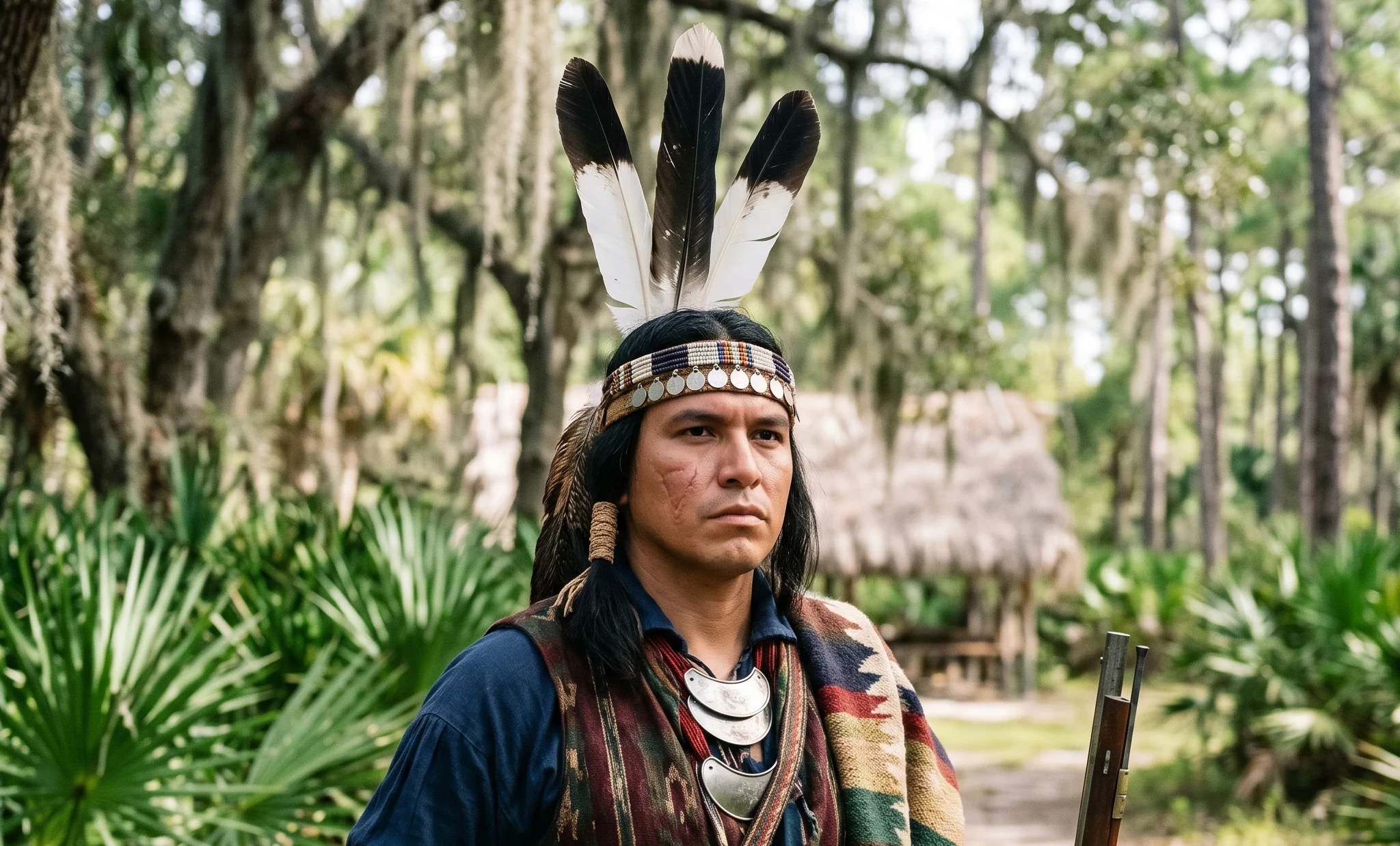
- Osceola (Seminole): Osceola became the face of Seminole resistance in Florida, showing resourcefulness and resilience during the Second Seminole War.
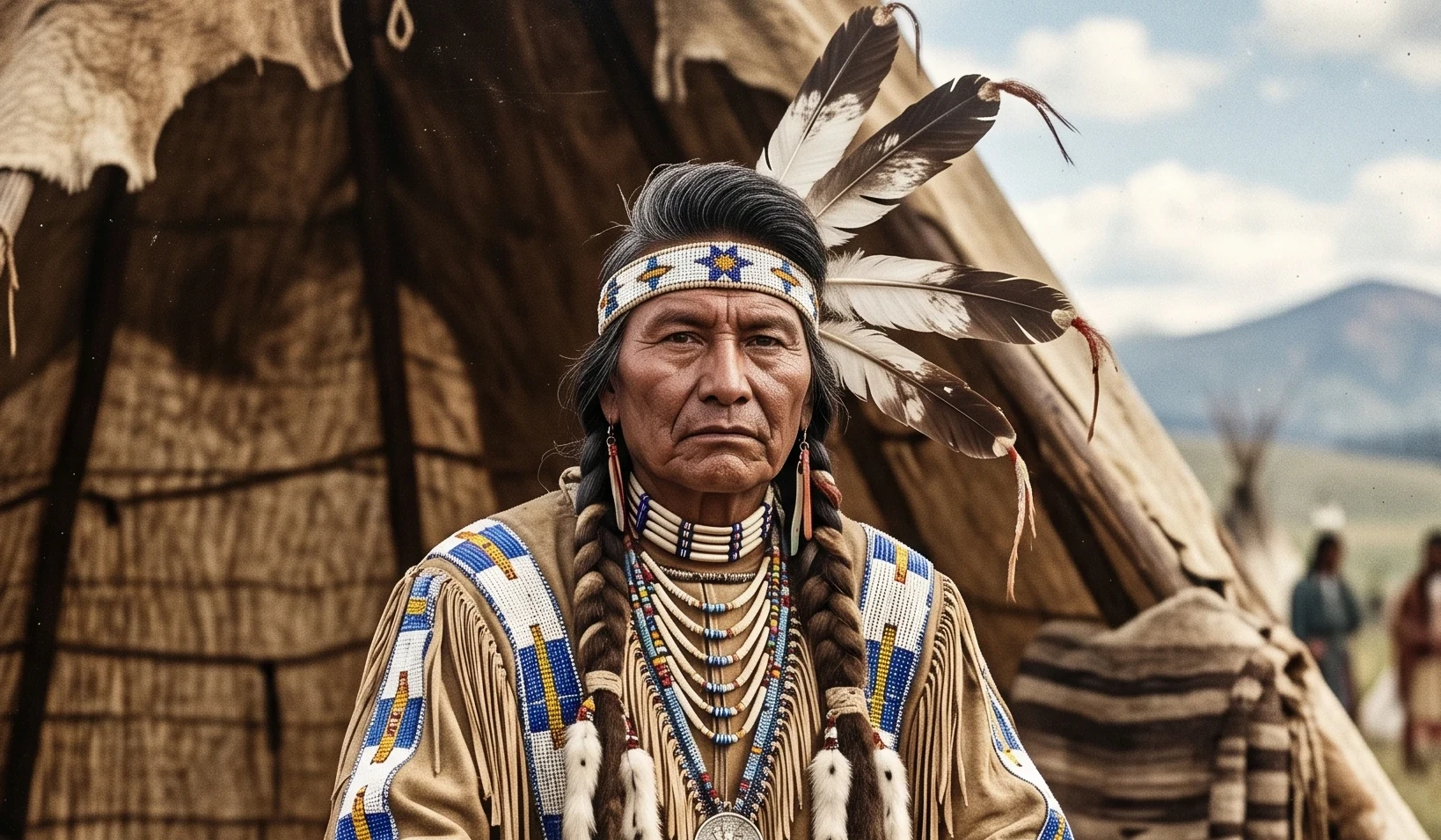
- Chief Joseph (Nez Perce): Known for his statement, “I will fight no more forever,” Chief Joseph became a symbol of determined but humane leadership, guiding his people during a long, difficult retreat toward Canada.
Key Values and Traditions in Native Warfare
Courage, respect, and honor often formed the foundation of how tribes approached conflict. Many warriors would participate in ceremonies or rituals before going into battle. These practices were meant to both offer protection and keep them grounded in their traditions. Feats of bravery on the battlefield could earn warriors social and spiritual recognition, and counting coup, or touching an enemy rather than killing, ranked among the highest honors.
Community defense went beyond just fighting. It included securing resources, defending homelands, and protecting women, children, and elders. Some leaders, like Red Cloud, became known for organizing strong defensive campaigns. Later, their diplomatic negotiation made the best of tough situations. Tribal stories often highlight these values as essential parts of identity and resilience, and many ceremonies around warfare doubled as acts of community unity and spiritual reinforcement.
Challenges and Switching Strategies
With new pressures from colonial expansion and changes in technology, Native leaders had to rethink old strategies to protect their people. The introduction of horses by the Spanish completely changed how Plains tribes fought and moved. Guns later became a big part of warfare in the 18th and 19th centuries, leading to new tactics and alliances as tribes traded for firearms and adapted quickly to keep up.
Some leaders chose to focus on negotiation and alliances rather than open fighting. They understood that flexibility gave them a better shot at survival. For example, Sequoyah (Cherokee) pushed for unity and adaptation, and other leaders encouraged trade relationships or agreed to treaties, even when those treaties were later broken by the U.S. government. The reality is, the need to find new ways to keep communities safe and maintain traditions demanded both courage and a willingness to mix things up.
The Importance of Adaptability
Being able to adapt turned out to be a key trait for many successful warriors and chiefs. This wasn’t just about weapons or tactics. It also meant adjusting political strategies and relationships with outsiders. Black Hawk (Sauk) led resistance against the Indian Removal Act, only to eventually change course and speak up for peace when he thought it would bring more safety for his followers.
Lessons from Tribal Warfare
- Respect for Elders and Community: Decisions were often made with the input of elders, reflecting a collective approach to leadership.
- Ceremony and Spirituality: War was treated with a lot of gravitas; preparations involved rituals, songs, and dances that connected warriors to their communities and traditions.
- Resourcefulness: Leaders like Tecumseh (Shawnee) built coalitions across tribal lines, an approach that showed the power of unity and creative diplomacy.
Frequently Asked Questions
Who was the most skilled indigenous military leader?
Answer: There isn’t one right answer since strengths varied by region and time, but leaders like Crazy Horse, Tecumseh, and Geronimo are especially respected for their tactical abilities and commitment to their people.
What kind of weapons did Native warriors use?
Answer: It depended on the region and resources. Before European contact, weapons included bows, arrows, spears, and war clubs. Later, many tribes used horses and firearms, often customized to fit their fighting style.
How did Native leaders respond to U.S. expansion?
Answer: Responses ranged from direct resistance to alliances and negotiations. Some, like Sitting Bull, fought in open battles, while others, like Chief Joseph, used both diplomacy and military retreats to protect their communities.
Are there any women known for their military leadership?
Answer: Yes, while most well-known accounts focus on men, some women like Buffalo Calf Road Woman (Northern Cheyenne) played important roles in battle and strategy, supporting and sometimes leading warriors during conflicts.
Everyday Life of a Warrior
Military skills often started in childhood. Young people learned hunting, tracking, and self-discipline, which later helped them as defenders of the tribe. Training included physical fitness, strategic thinking, and learning about clan or tribal responsibilities. The selection for who would become a warrior wasn’t always rigid. A lot of skill-building happened through community activities like group hunts or games that grew social bonds and fostered teamwork.
- Daily Routine: Training, hunting, and participating in ceremonies were often part of a young warrior’s daily rhythm. Beyond these, many participated in crafting and storytelling, learning important lessons through oral traditions.
- Role in Society: Warriors had important social and ceremonial roles, sometimes acting as tribal police, guardians of sacred sites, or escorts for important adventures that required courage and guidance. Warriors often carried the responsibility of mentoring the next generation and keeping the stories alive through teaching.
Families and mentors worked together to pass on ethical and practical knowledge to younger members, emphasizing service and self-discipline. Through these traditions, the core values of respect, honor, and community stayed alive, further strengthening the heart of the tribe.
Modern Legacy and Recognition
The contributions of Native warriors and military leaders continue to be honored today, both within tribes and across the U.S. There are powwows, historical reenactments, and monuments dedicated to their memory. Native veterans remain among the highest-serving demographic groups in the U.S. military. Military service, for many, is a reflection of the same protective spirit that defined their ancestors.
Learning about these leaders is a reminder that strength can look like defiance on the battlefield, determination to protect family, or choosing diplomacy over violence. Their stories go way beyond war. These tales are about community, identity, and holding on to traditions that matter. By tracking down these stories and sharing them, we help ensure that the legacy of Native American warriors remains very much a part of the present—as a source of inspiration and a bridge to understanding a rich, ongoing history.